Report: Hungarian Tomato Day
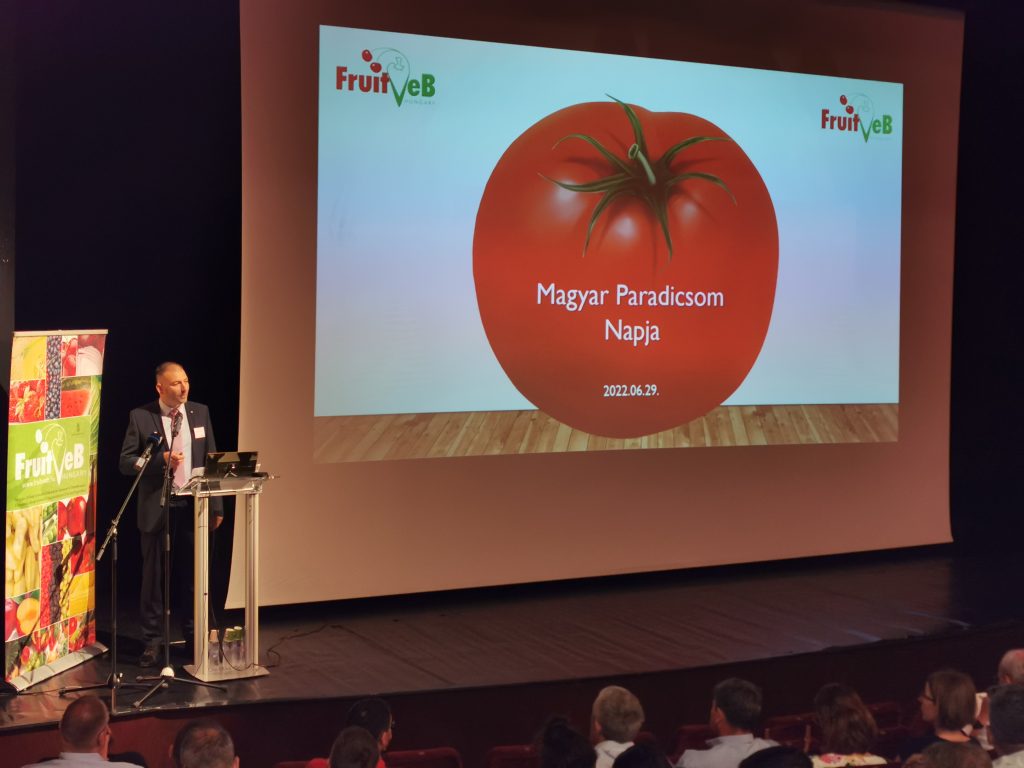
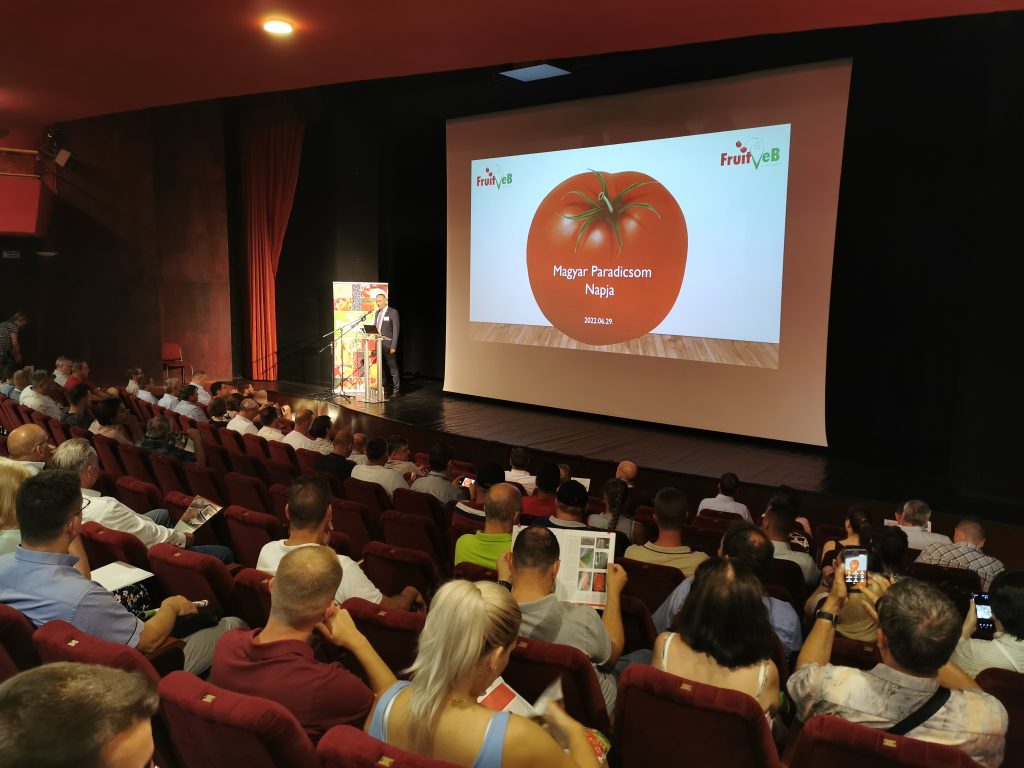
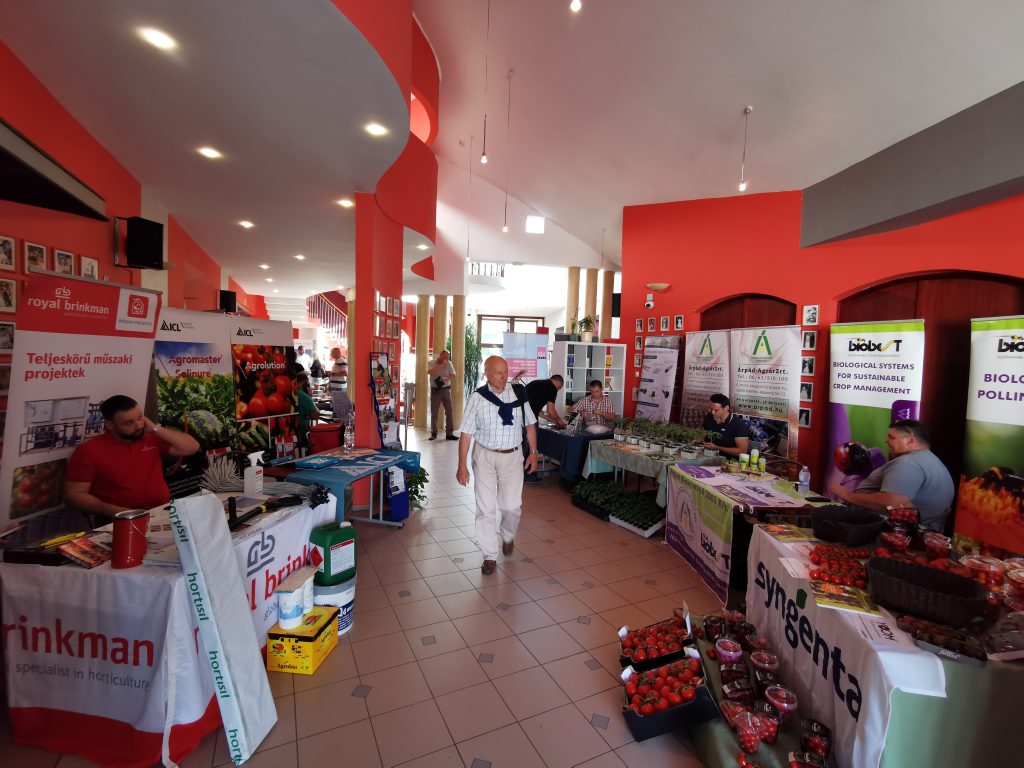
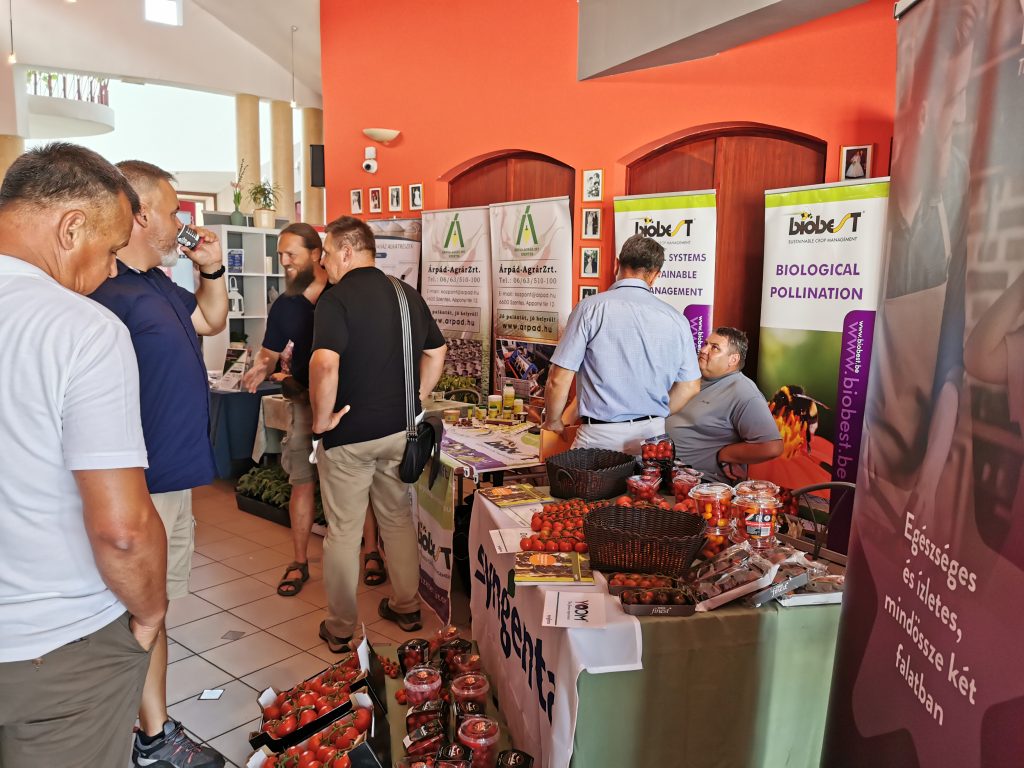
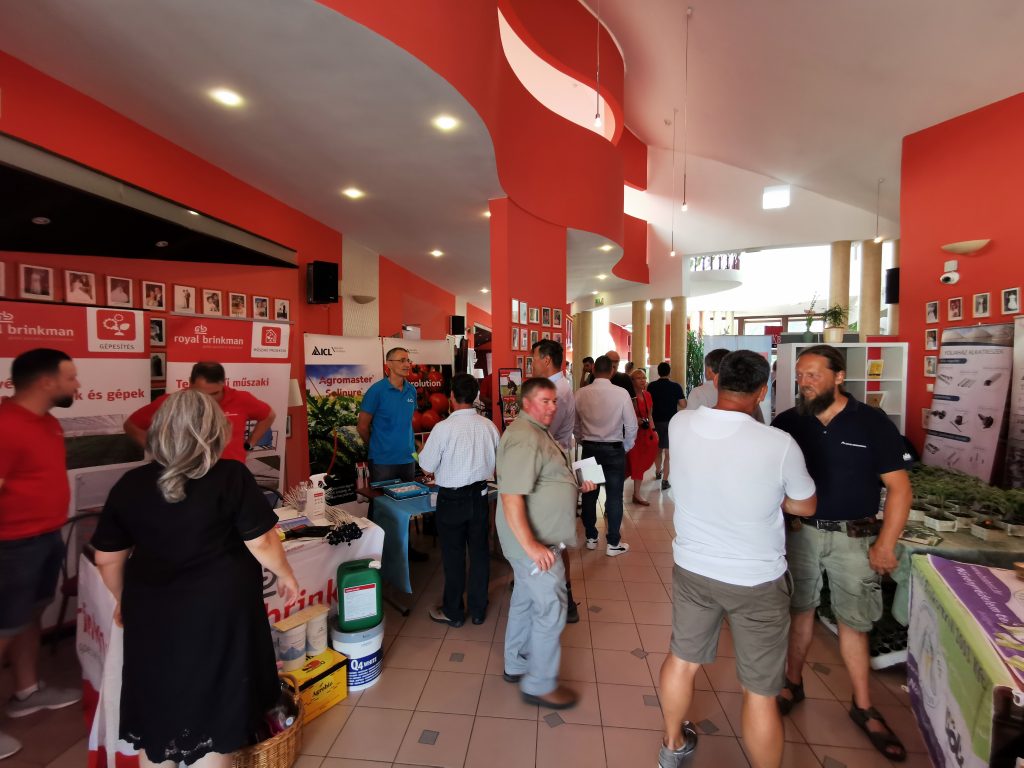
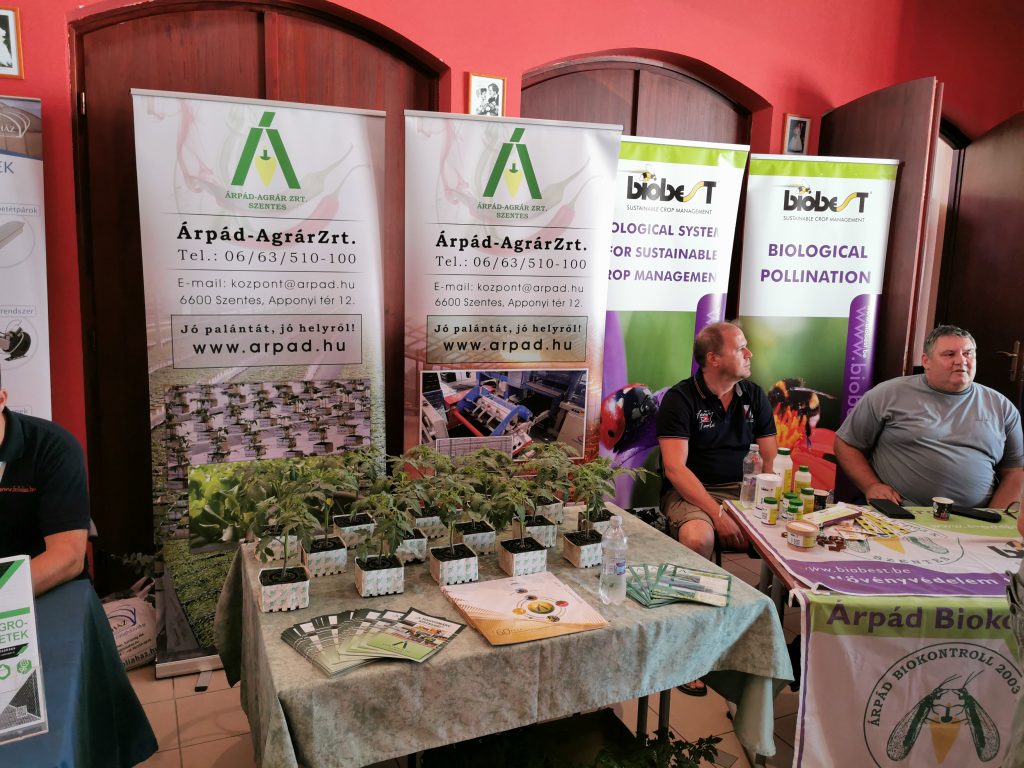
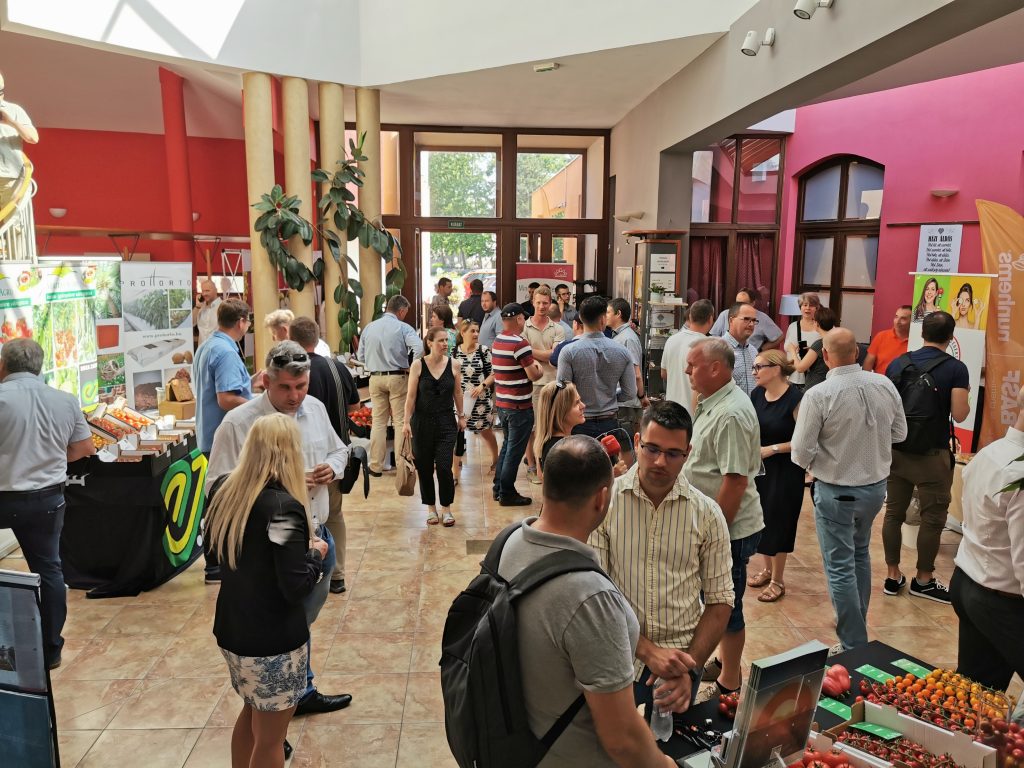
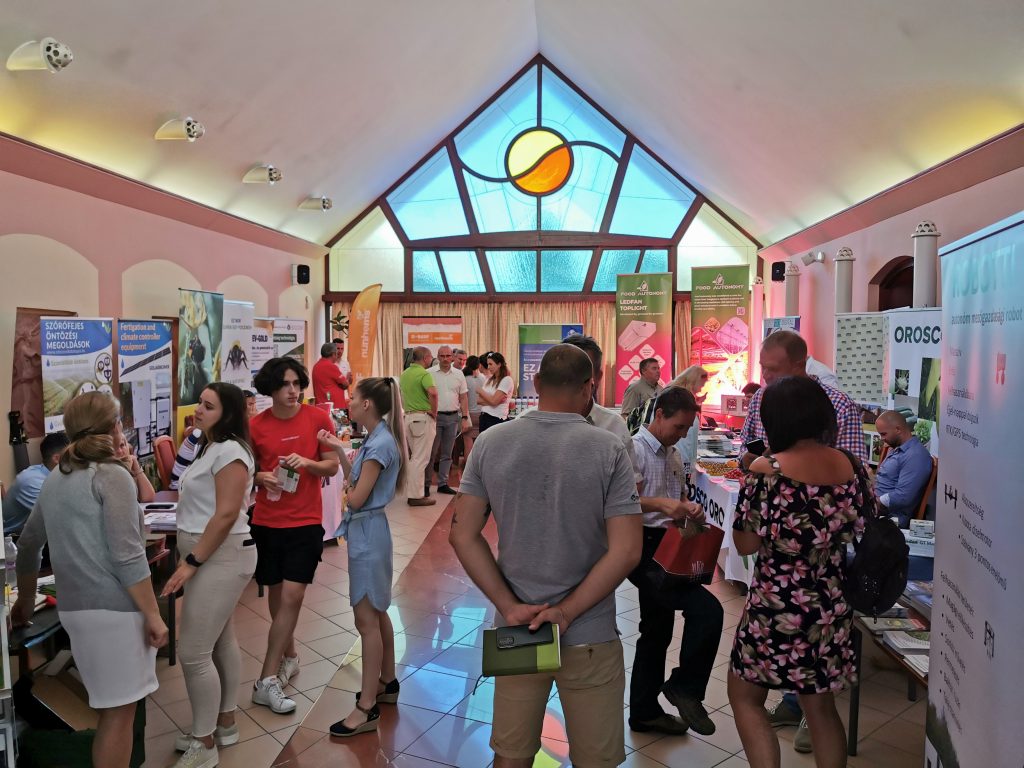
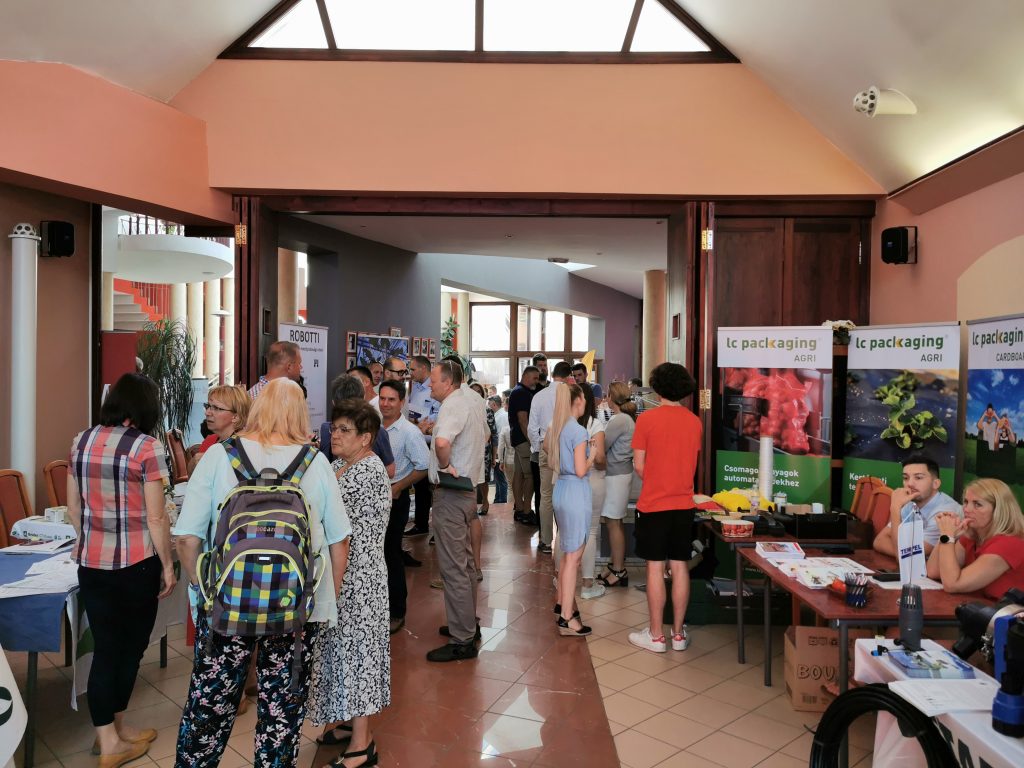
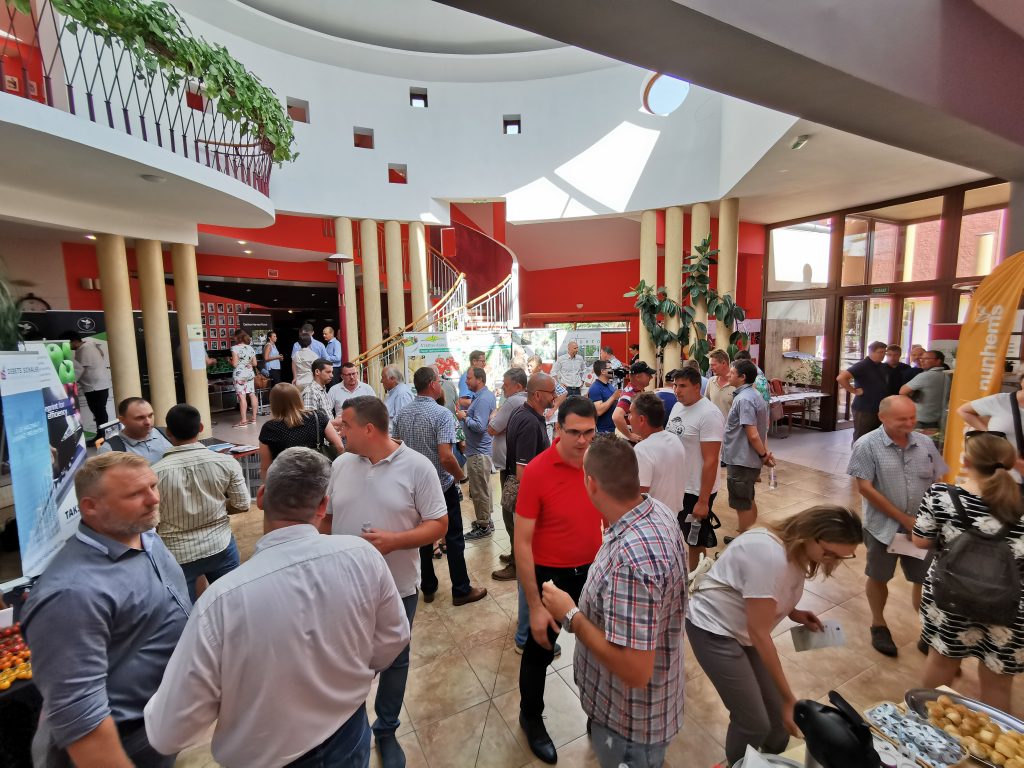
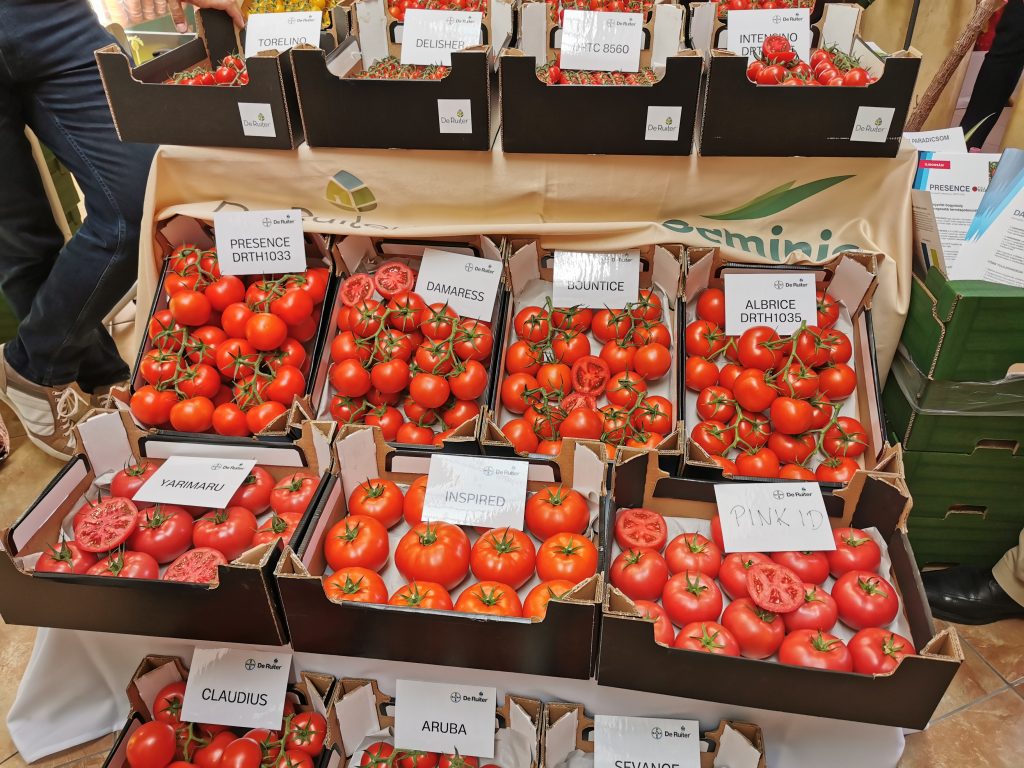
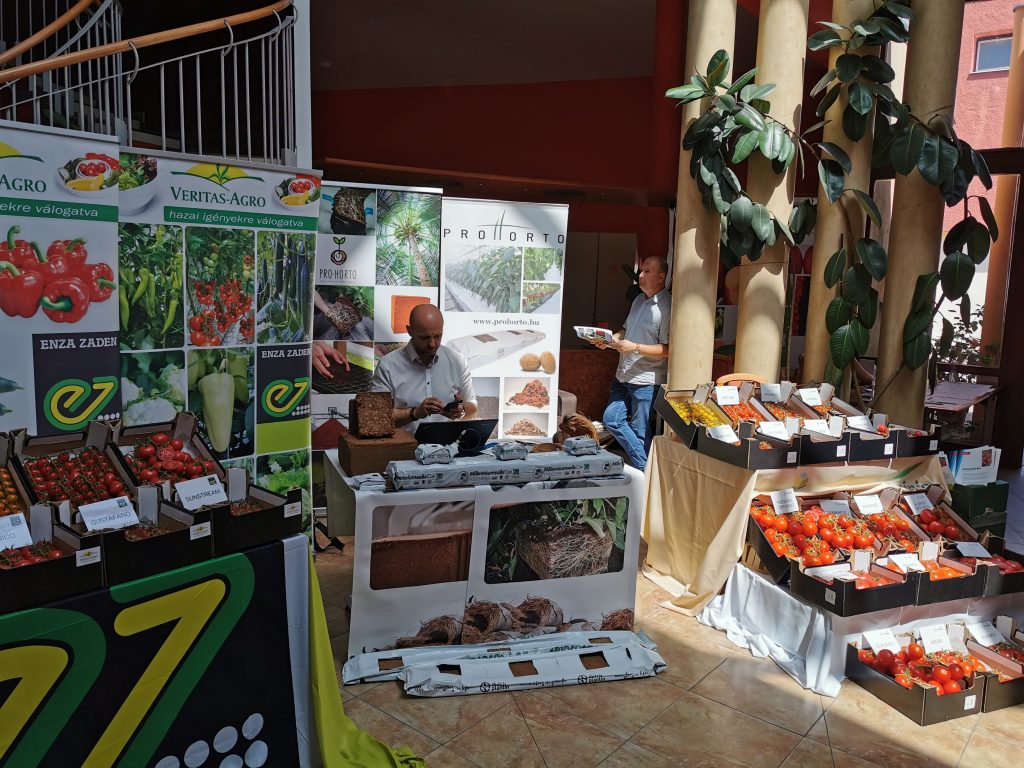
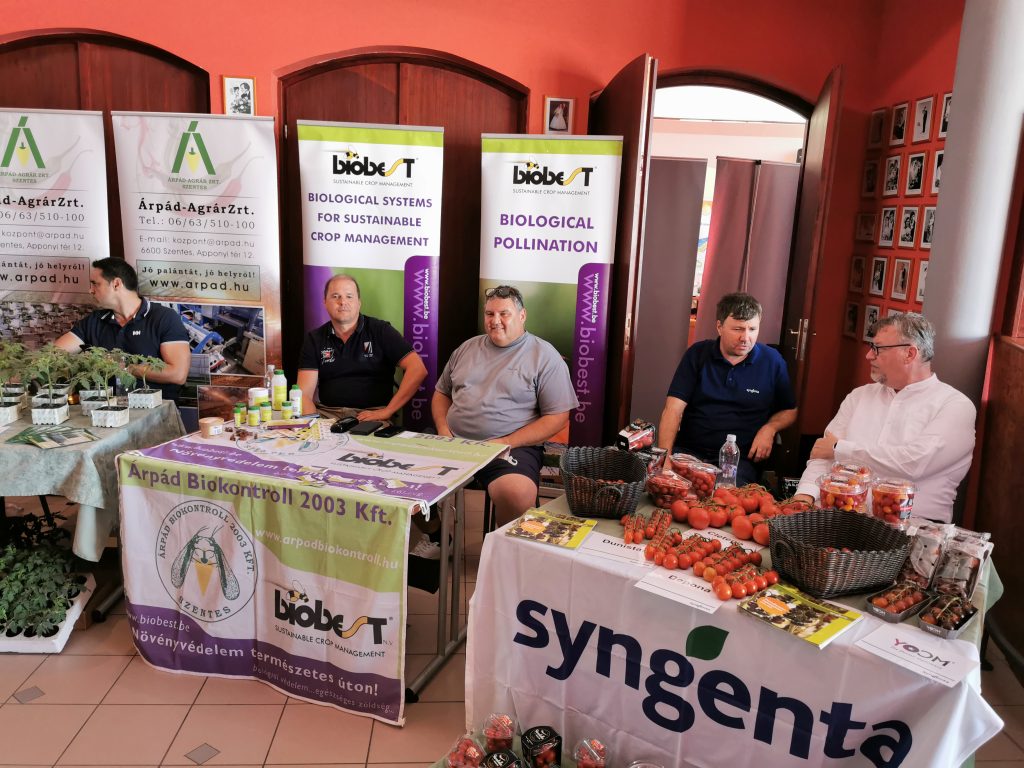
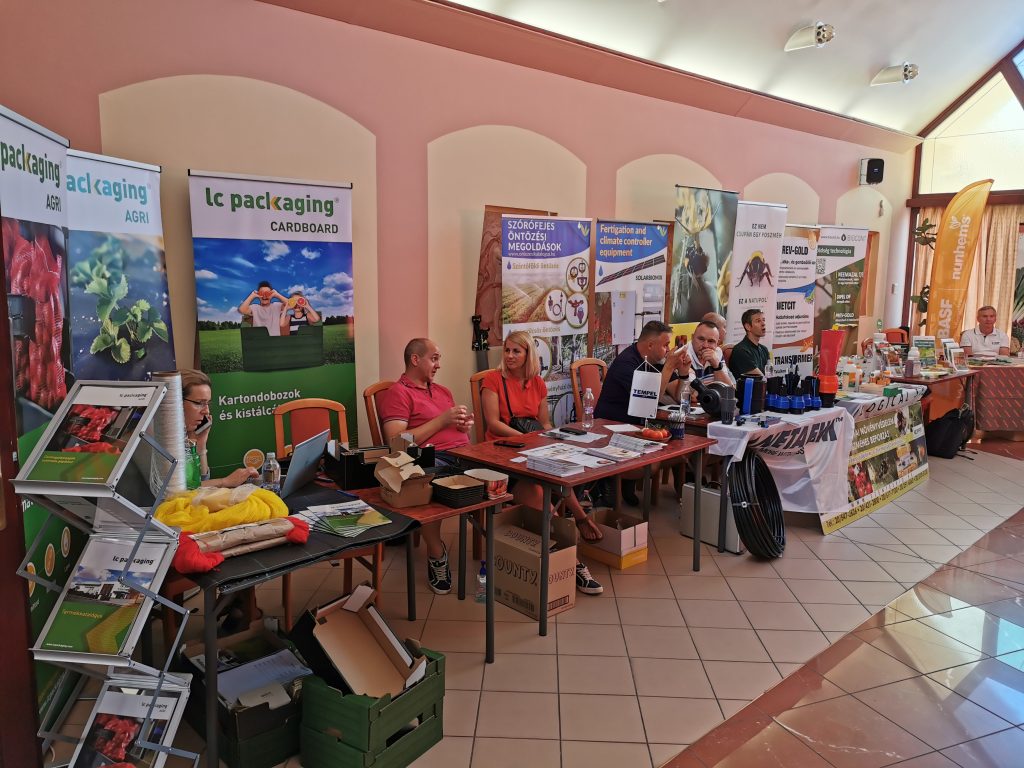
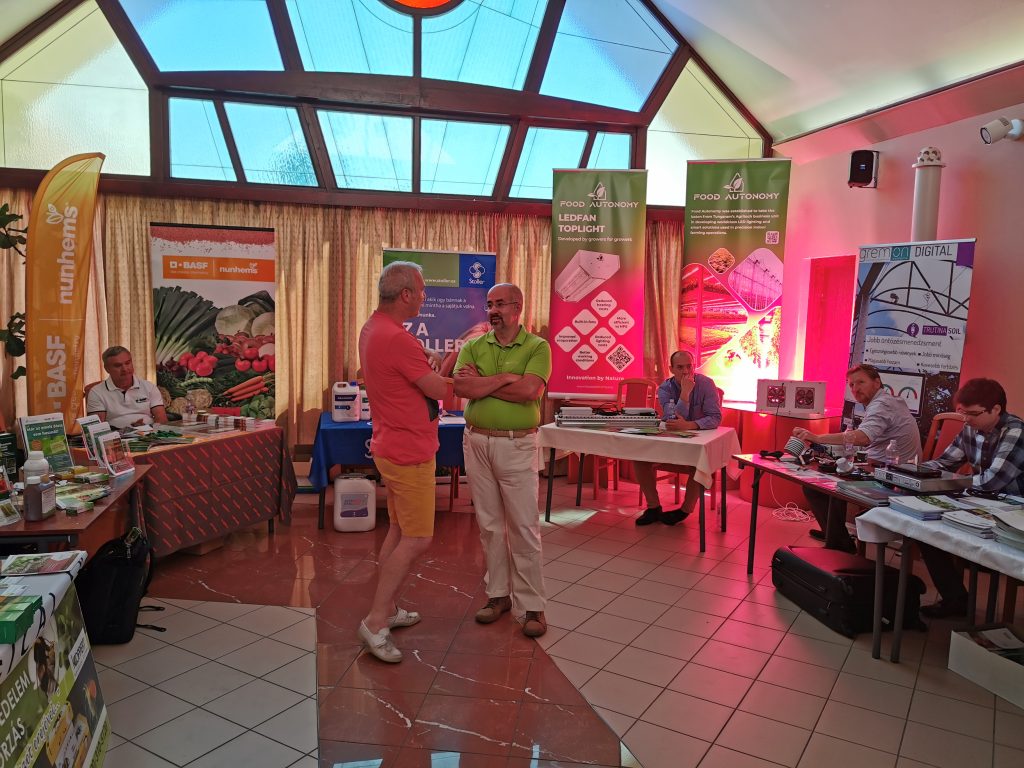
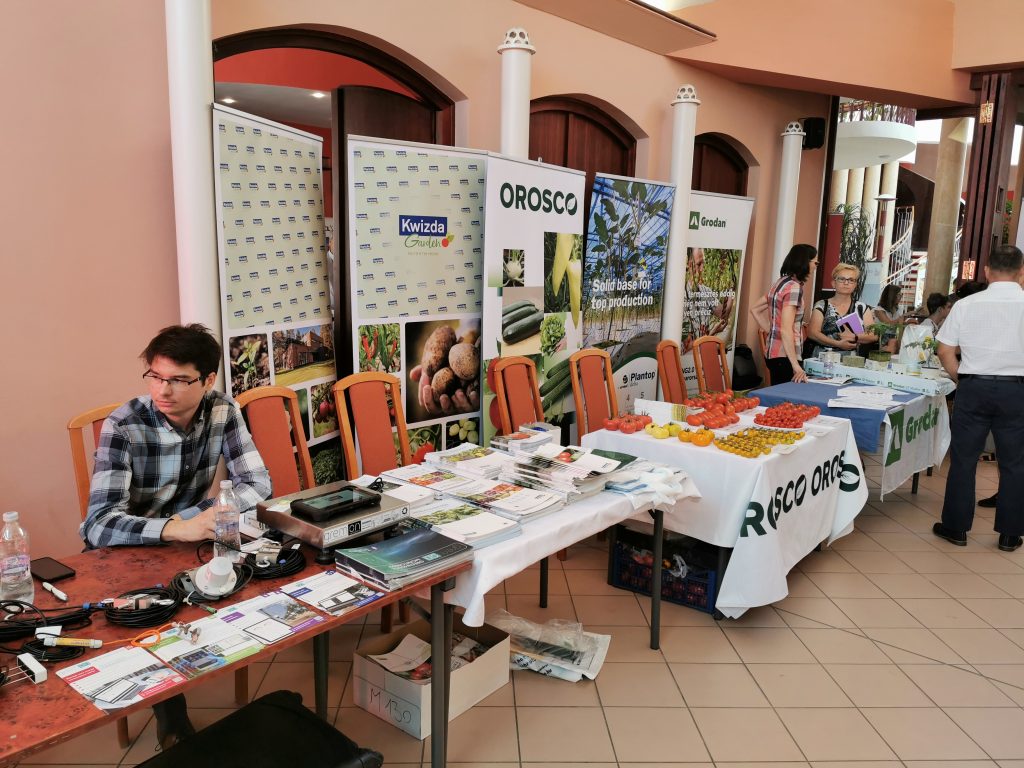
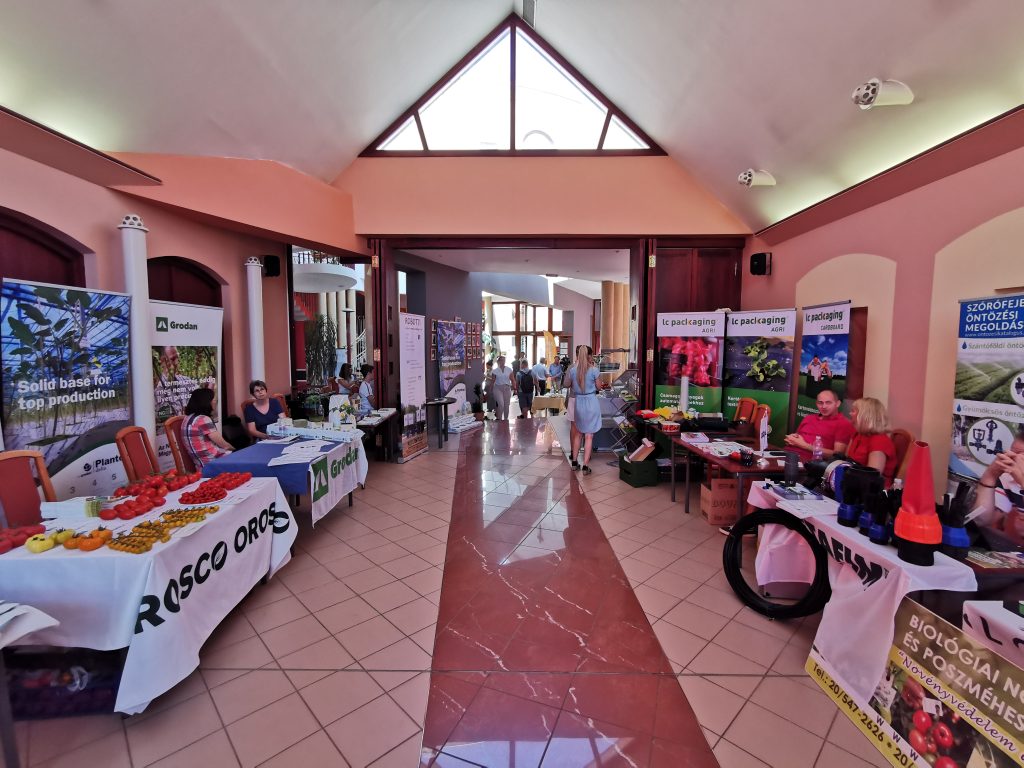
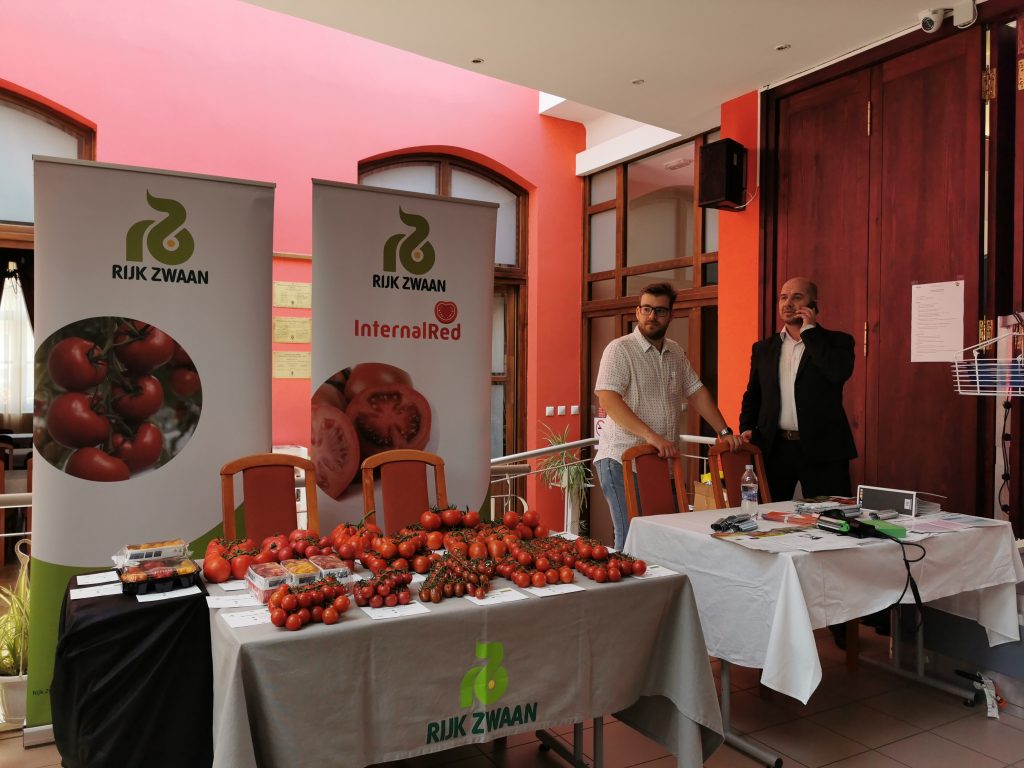
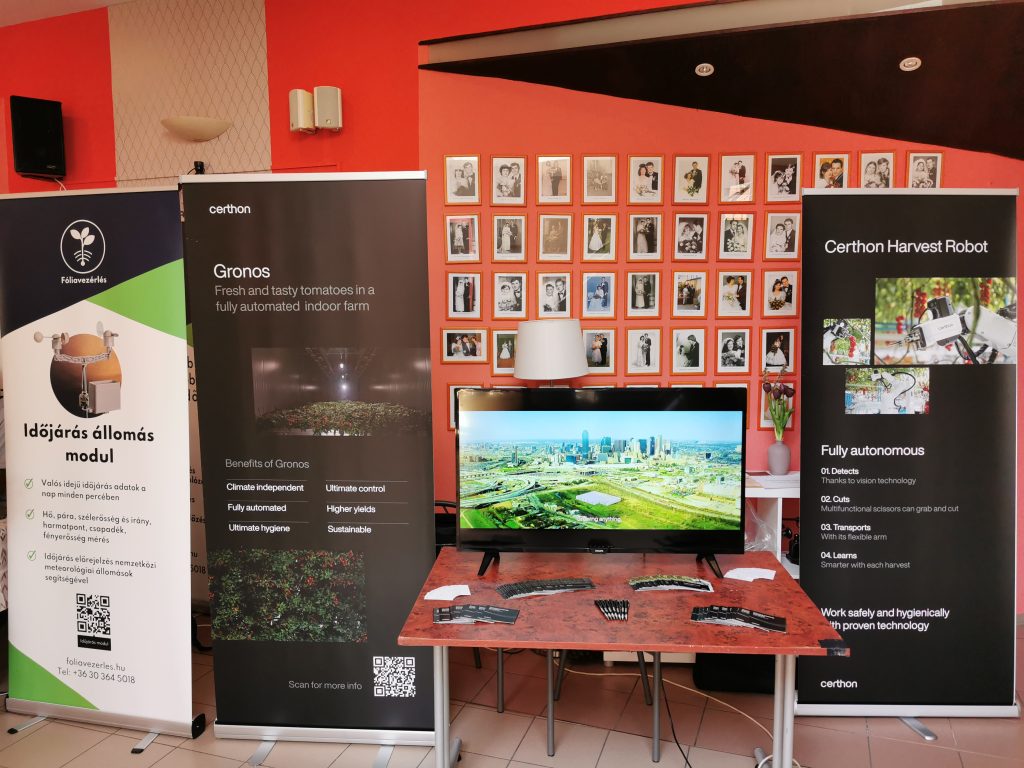
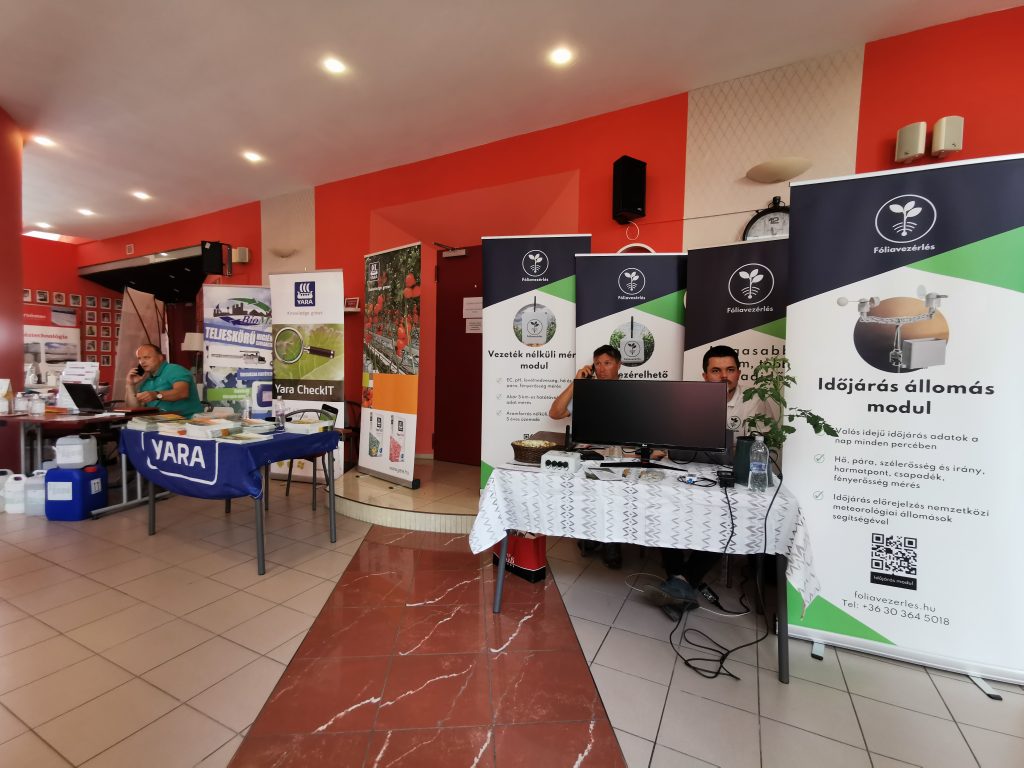
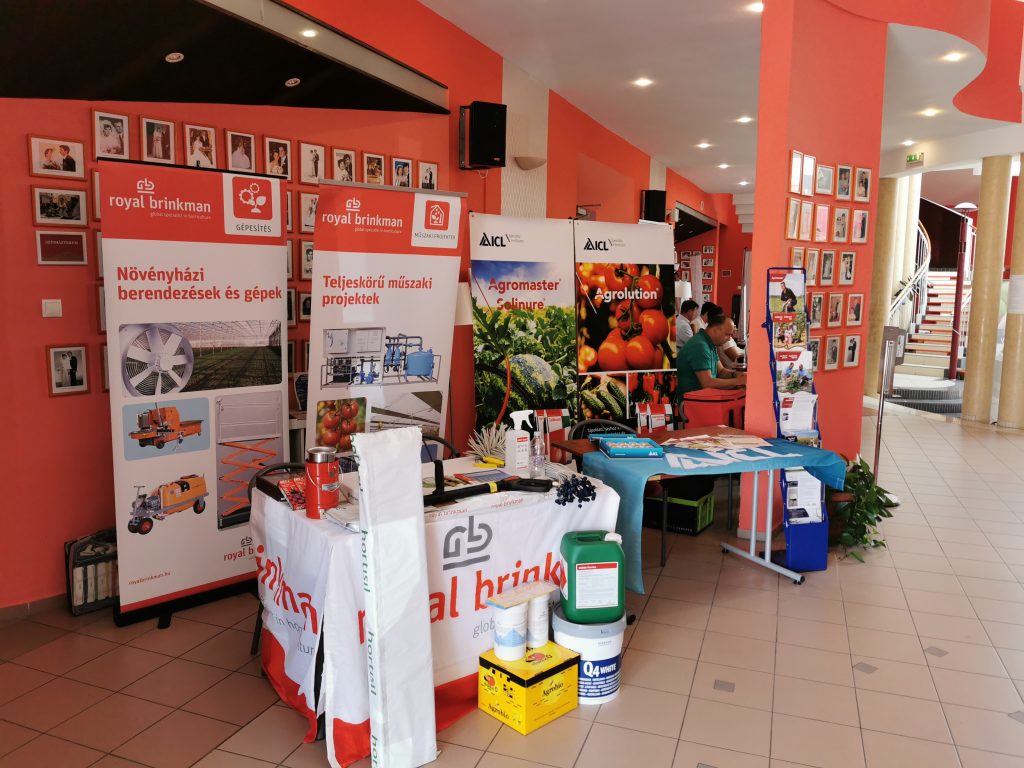
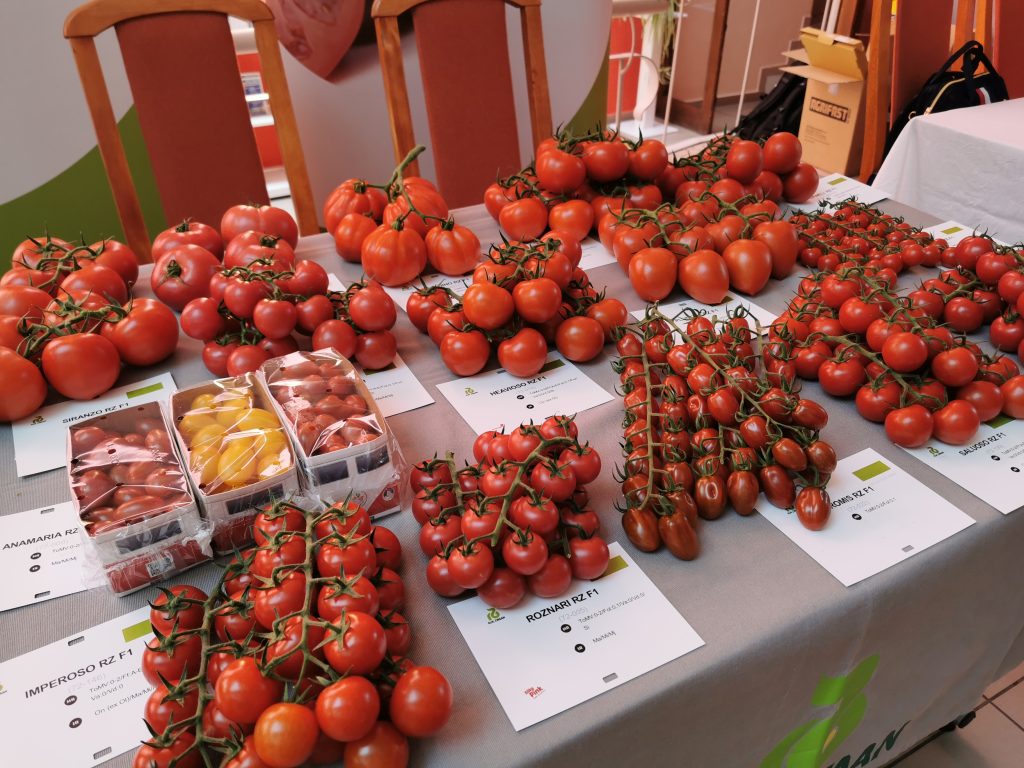
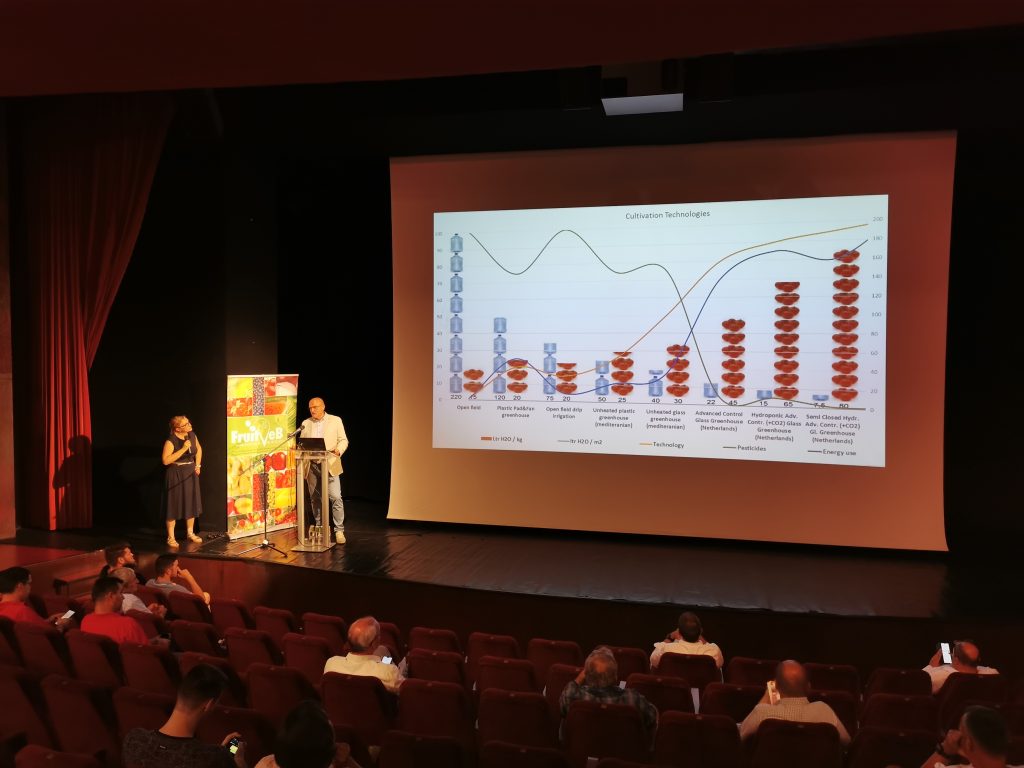
Hungarian Tomato Day was held for the first time on 29 June 2022, welcoming visitors to Mórahalom with 33 industry exhibitors and focusing on the field of greenhouse tomato production. More than 200 participants attended the full‑day event.
The program of the professional day centered around topics directly related to greenhouse tomato production, marketing, and the implementation of necessary investments (subsidies, loans), and the presentations also introduced solution alternatives to the most current production challenges as well as the latest innovations in greenhouse technologies.
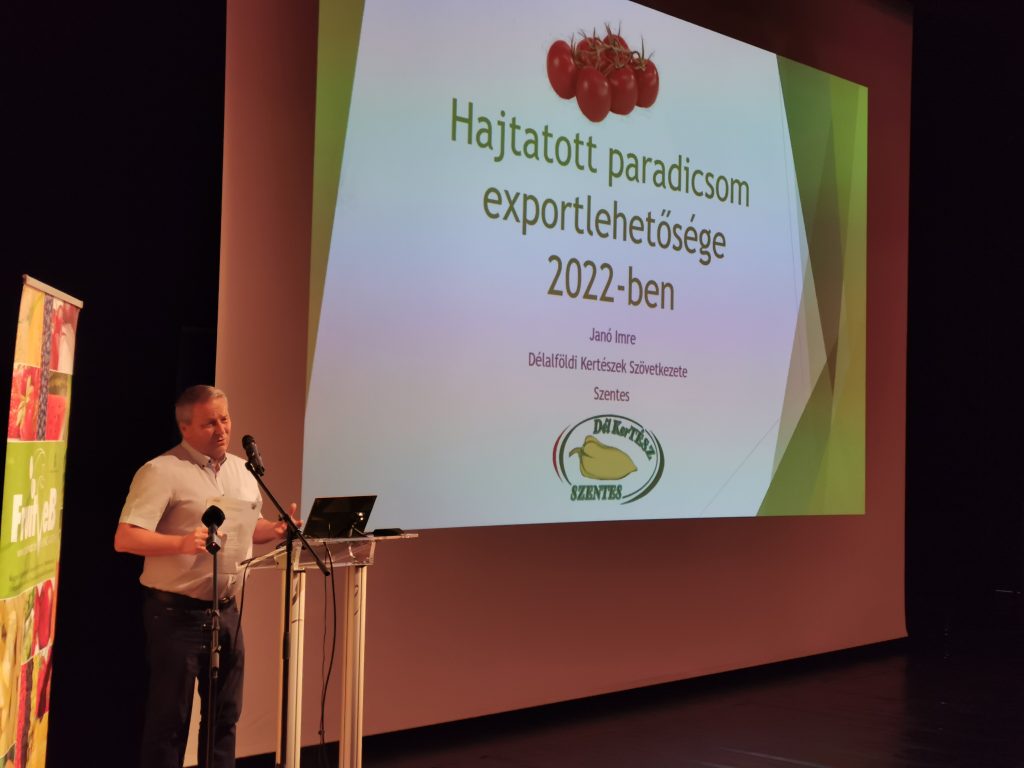
The global economic situation, the rising cost of energy and inputs, and the Russian–Ukrainian war are also affecting greenhouse tomato growers, while at the same time new opportunities may open up for them even in this difficult environment, for example in trade. In addition to changes in subsidies and financing, the professional day therefore addressed export opportunities, the outlook for competitors, and of course the technological and technical innovations that enhance efficiency, as well as breeding efforts against tomato brown rugose fruit virus.
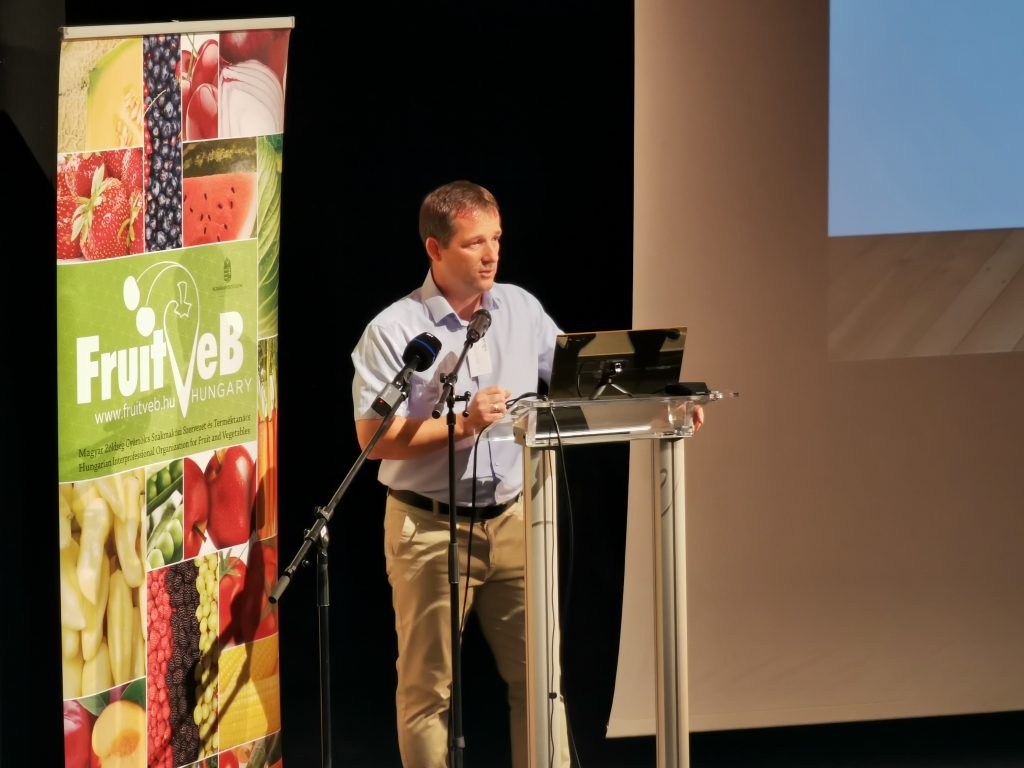
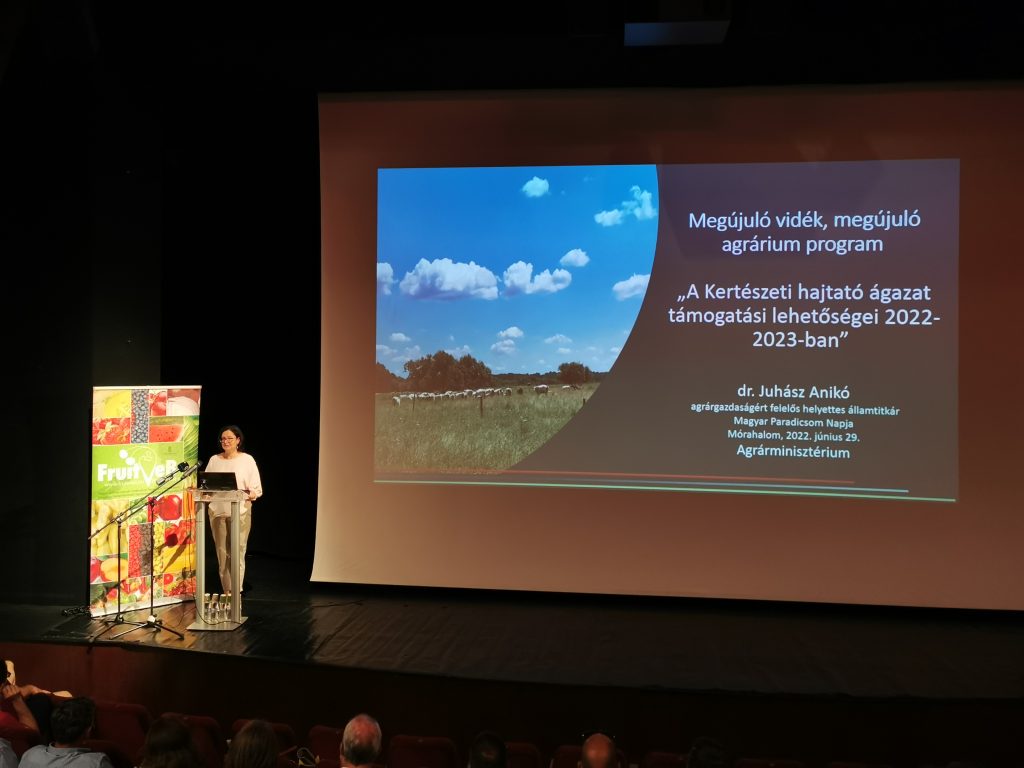
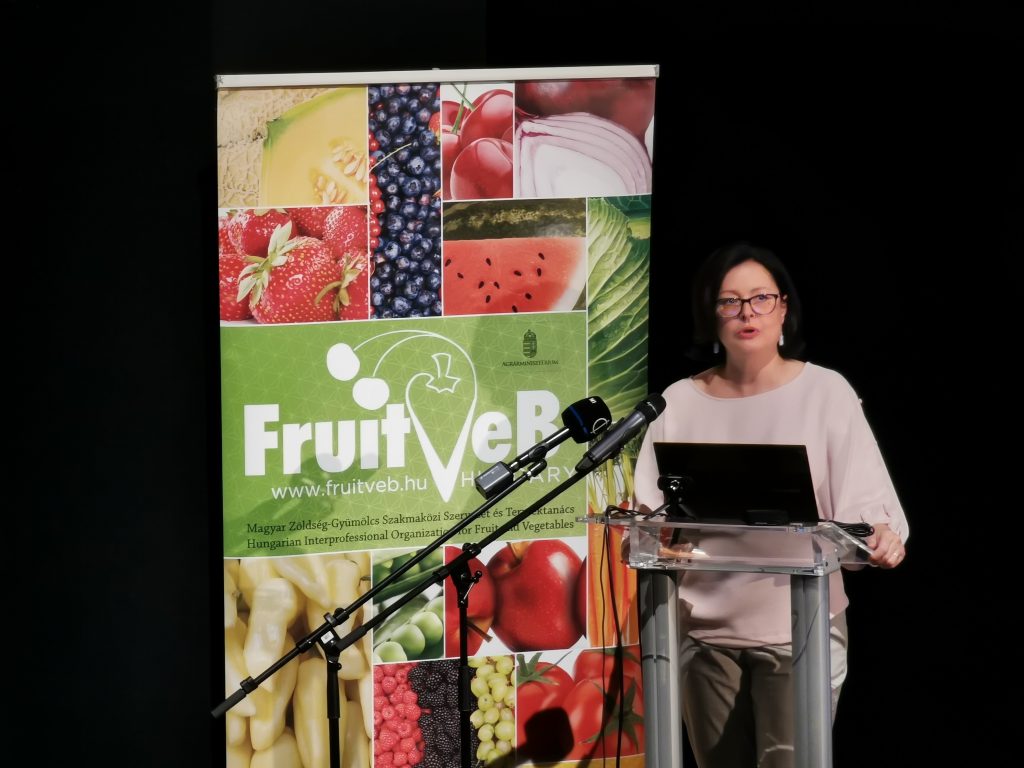
Anikó Juhász, Deputy State Secretary for Agricultural Economy at the Ministry of Agriculture, emphasized that horticulture will continue to be a priority product chain in the future.
Growers can continue to rely on investment support,
although the conditions are expected to become stricter. She also noted that the establishment of producer groups will continue to be supported, and that resources will also be allocated to small ornamental horticulture enterprises and to green investments. The latter aim to increase the energy self‑sufficiency of farms and reduce energy dependence, improve energy efficiency, promote the use of renewable energy sources, and reduce carbon dioxide emissions and overall energy consumption.
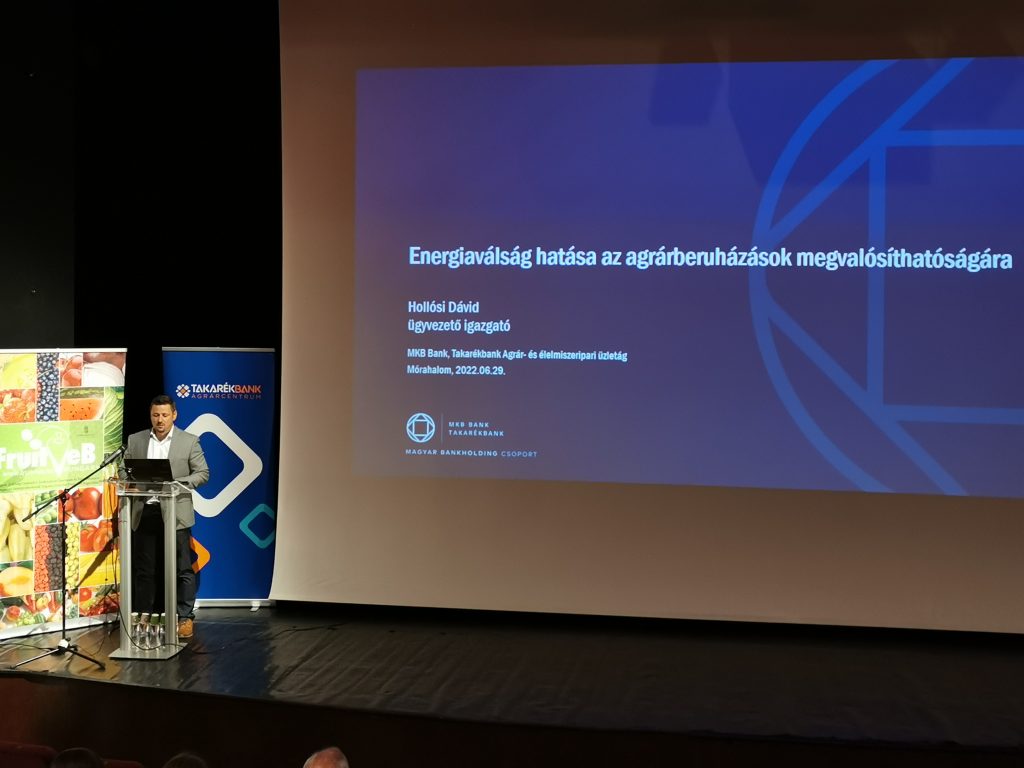
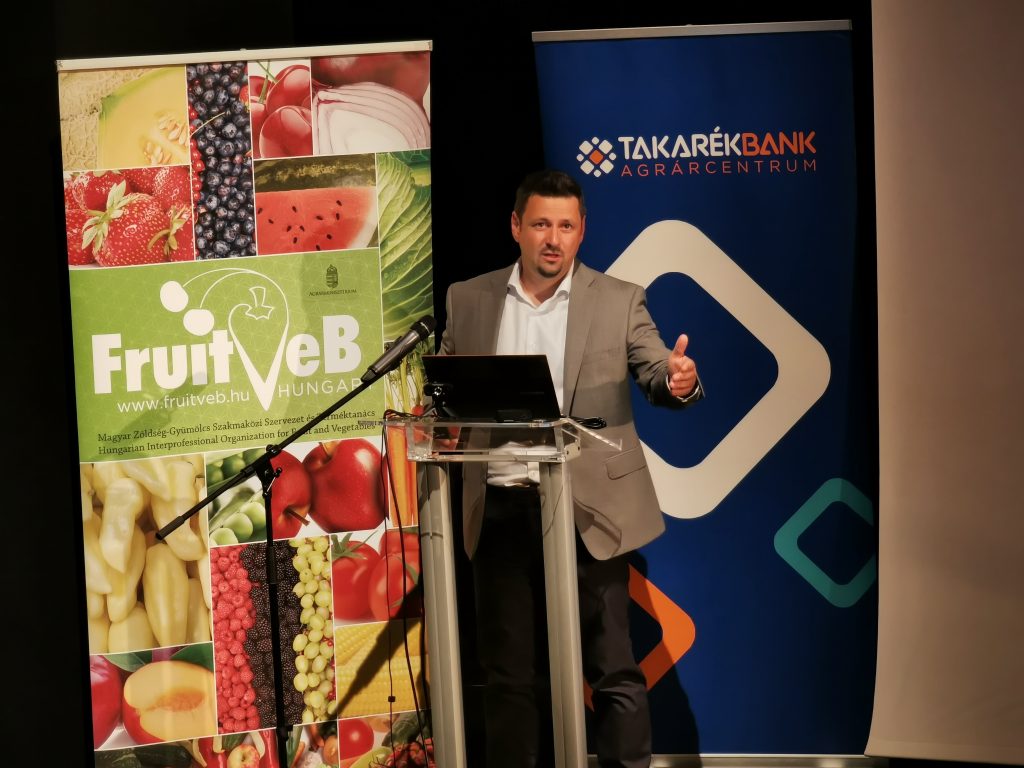
The current economic environment is not the most favorable for investment, yet those who have already developed their operations will now be at an advantage, as emphasized by Dávid Hollósi as well. According to the Managing Director of the Agriculture and Food Industry Division of MKB Bank Plc. and Takarékbank Ltd., due to Covid and the war, consumers are spending a larger share of their income on food than before—especially in Western Europe—which may also stimulate tomato exports.
The agricultural loan portfolio has grown enormously over the past 15 years, but it is still underfinanced compared to Western Europe.
Banks’ confidence in agriculture has increased, and the rising value of the food economy is attracting new investors.
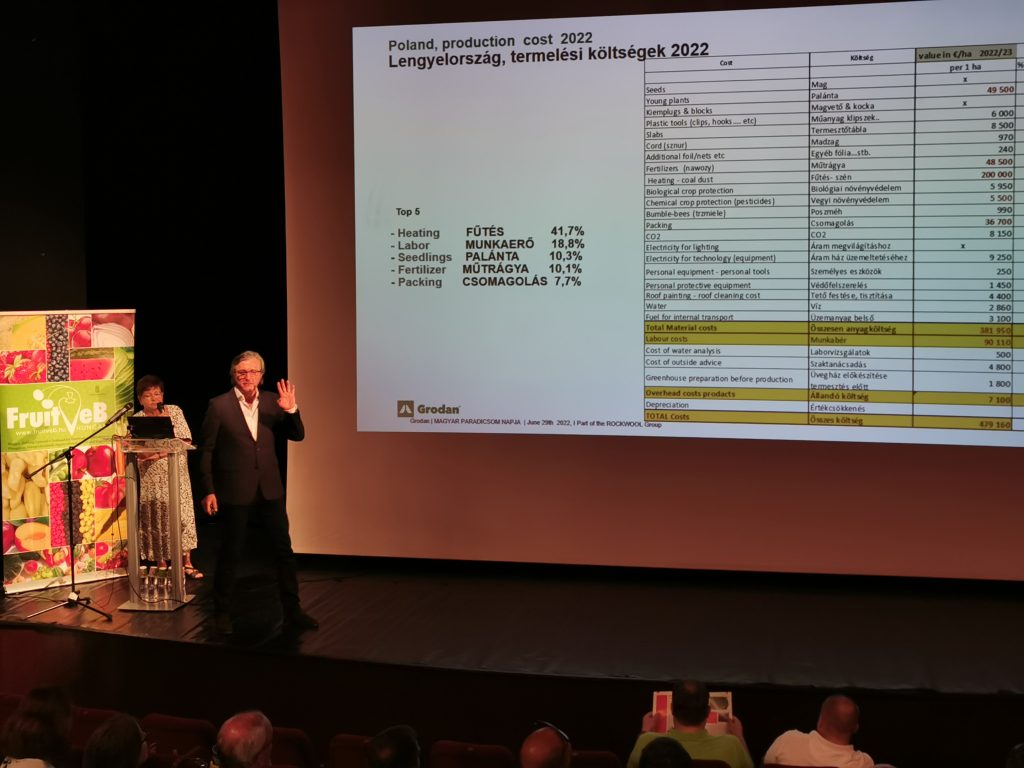
Our Polish and Dutch competitors are suffering from high energy prices. In Poland, the total cost of greenhouse tomato production has doubled in the past year. Greenhouses are mainly heated with coal, the price of which has risen sharply, and supply from Russia is unreliable. As a result, heating costs per hectare have reached 200,000 euros, accounting for more than 40 percent of total costs. Labor costs and packaging costs have also increased significantly, as retailers require tomatoes to be delivered in cardboard boxes. Polish growers are therefore expected to plant later than usual, grow their own seedlings instead of purchasing them, and seek changes in packaging, according to Wojciech Sekalski, Central European Director of Grodan.
A survey shows that in the Netherlands, 40 percent of greenhouse growers are permanently or temporarily ceasing production due to the energy crisis. They face serious financial difficulties, and many cannot afford to switch to alternative energy sources. By January this year, energy prices had doubled, and by March they had tripled compared to the 2015 baseline. Moreover, gas suppliers no longer offer fixed‑price contracts once existing ones expire. Since Dutch gas fields were shut down due to earthquake risks, the country is dependent on imported gas. A gas emergency plan is being prepared, although it is not expected to affect horticulture for now.
A helyzetet súlyosbítja a munkaerőhiány, és az, hogy a költségek emelkedését már nem tudják áthárítani a kereskedőkre, fogyasztókra, növekszik az áruházakban az olcsóbb termékek mennyisége.
Uncertainty is high, and therefore the cultivated area has decreased. However, the Minister for Climate and Agriculture has promised measures to save the horticultural sector, as explained in a video presentation by Edit Pápai, Economic and Science Diplomatic Attaché at the Embassy of Hungary in the Netherlands.
In Hungary, out of the current 3,450–3,500 hectares of protected vegetable‑growing area, 220–250 hectares are greenhouses — of which 25–30 hectares are seedling‑raising facilities — 600–700 hectares are block‑foil structures, and 750–850 hectares are polytunnels. Of the 480–500 thousand tonnes of vegetables produced under protection, 130–140 thousand tonnes are tomatoes.
Within the framework of the still ongoing 2014–2020 Rural Development Programme, calls for proposals opened from 2016 onwards will result in the construction of 110–120 hectares of modern greenhouses, and 80–85% of these will grow tomatoes or are planned to do so. Today, the majority of tomatoes are already produced in modern greenhouses. Thanks to advanced technical solutions, specific yields have increased significantly: in year‑round production, truss and loose types yield 55–65 kilograms per square metre, and in houses covered with diffuse glass even up to 70 kilograms.
Loose tomatoes have largely been replaced by truss types, and over the past four to five years the production of cherry, cocktail, and snack types has increased significantly. Between 90–95% of tomatoes are sold on the domestic market. From mid‑March to the end of November, Hungary is self‑sufficient in tomatoes. Tomatoes are trending, and thanks to excellent quality and the strength of producer organizations, the market is performing well; moreover, the increasing supply resulting from new investments already allows for export. Our competitiveness in neighbouring markets is improving due to rising transport costs, as well as the difficulties faced by Polish and Dutch growers.
The use of geothermal energy (thermal water) also provides a competitive advantage over foreign growers who heat with expensive gas or coal — as emphasized at the event. Profitability, however, can be further increased through the modern solutions presented at Hungarian Tomato Day.
Photo gallery of the conference: