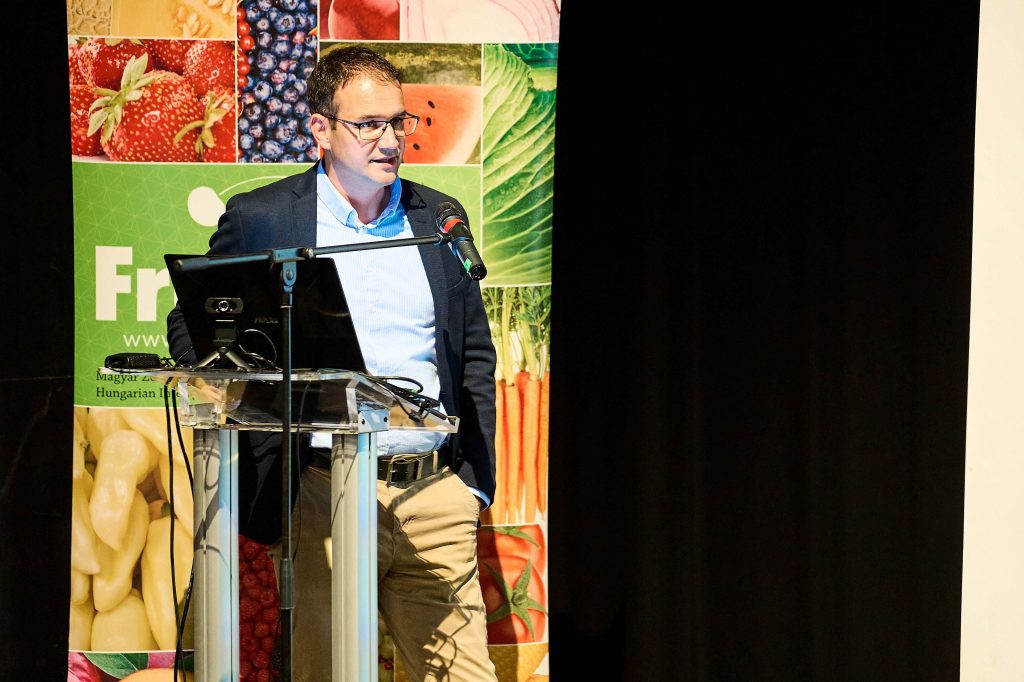
Report: Hungarian Tomato Day 2023
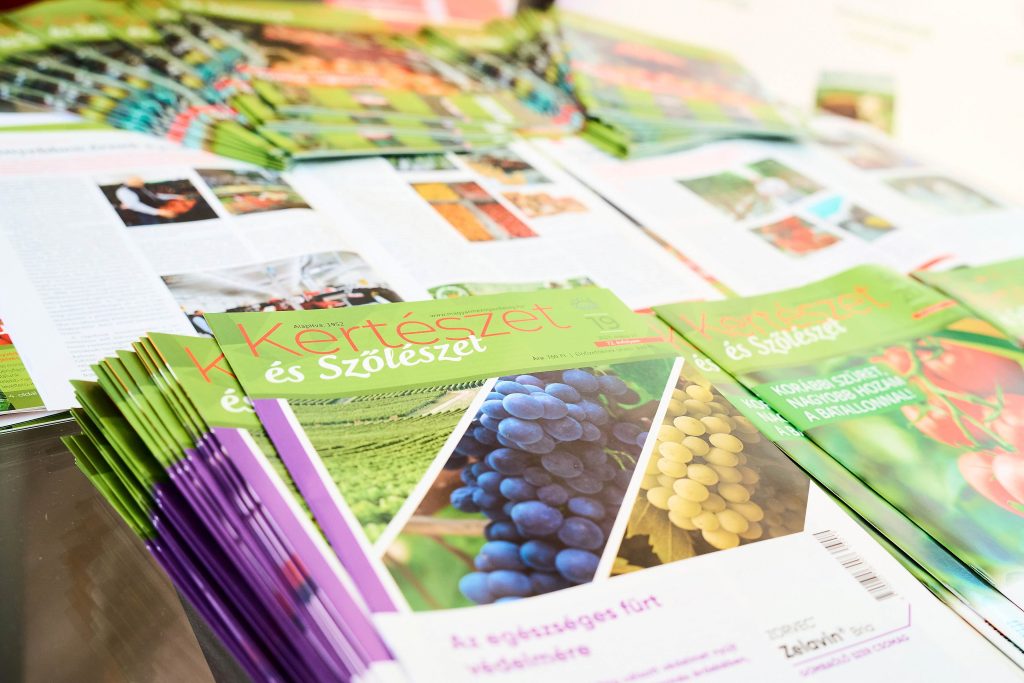
Hungarian Tomato Day 2023, the professional event dedicated to greenhouse tomato production, was held on 2 June, and below you can read the report published by the official media partner of the event, Kertészet és Szőlészet.
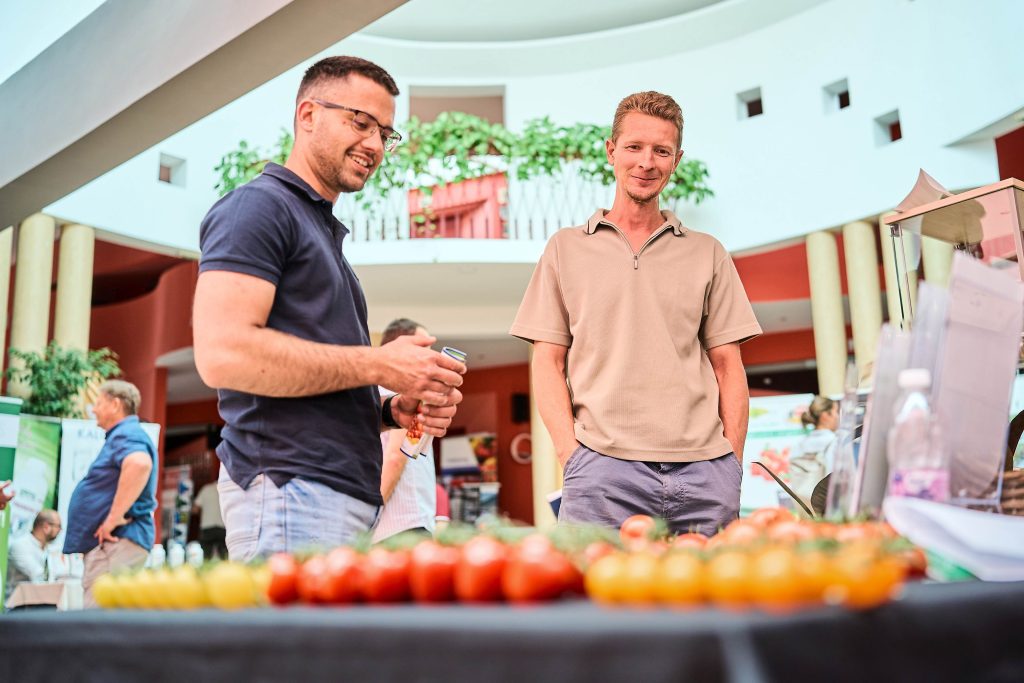
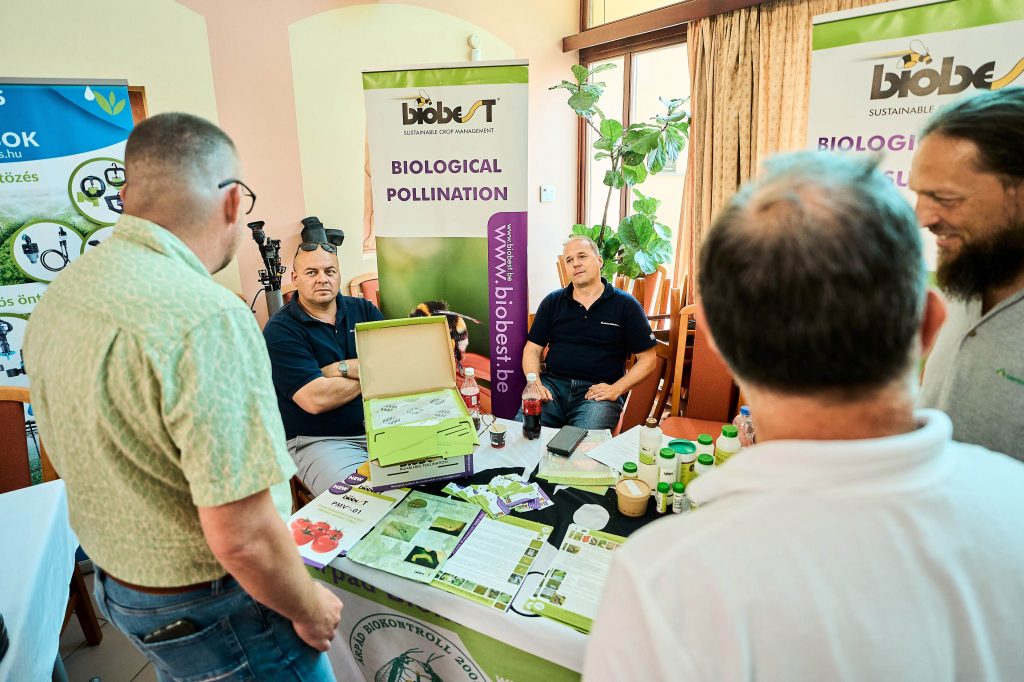
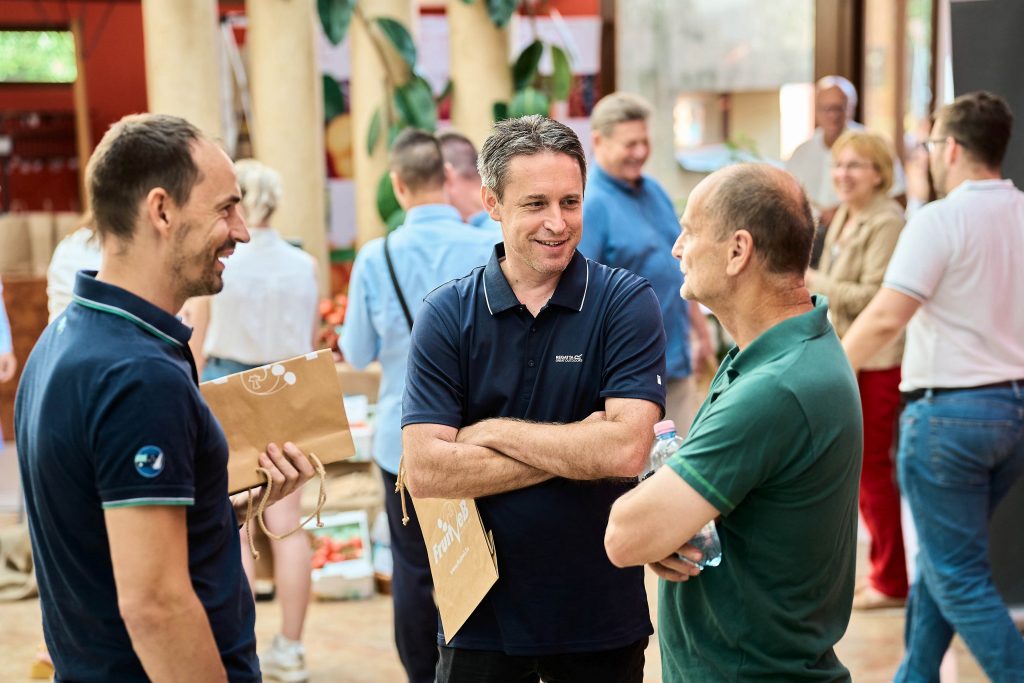
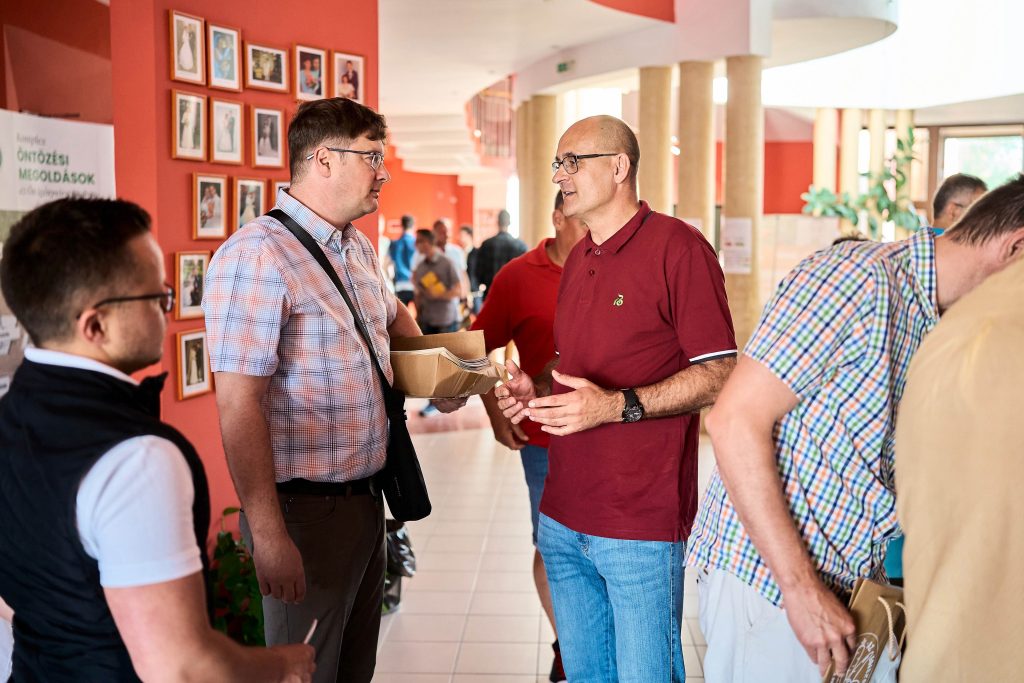
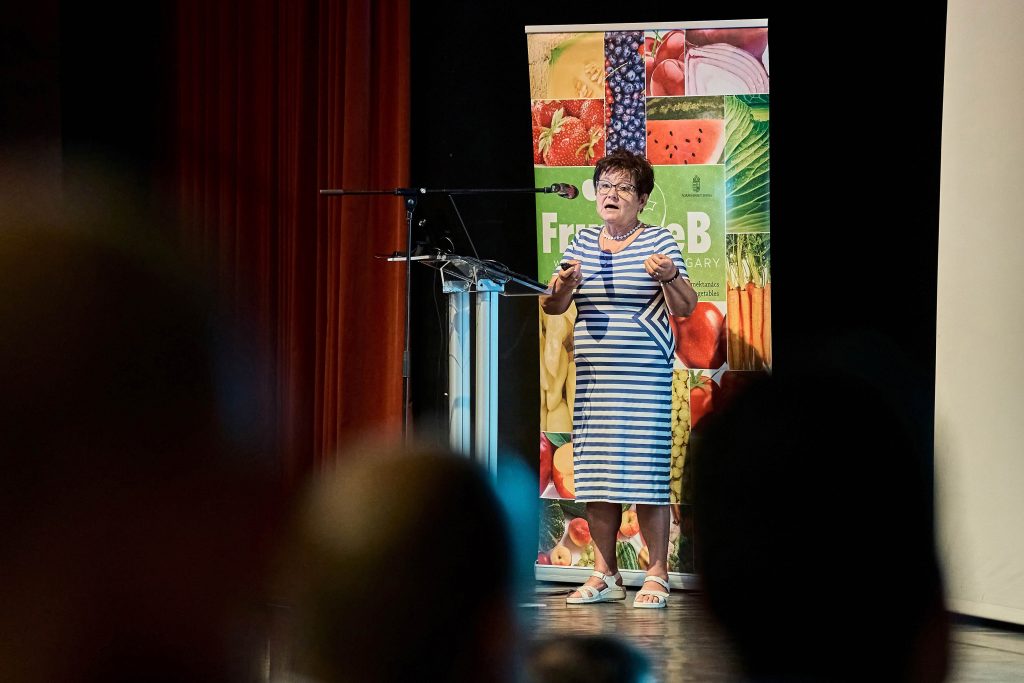
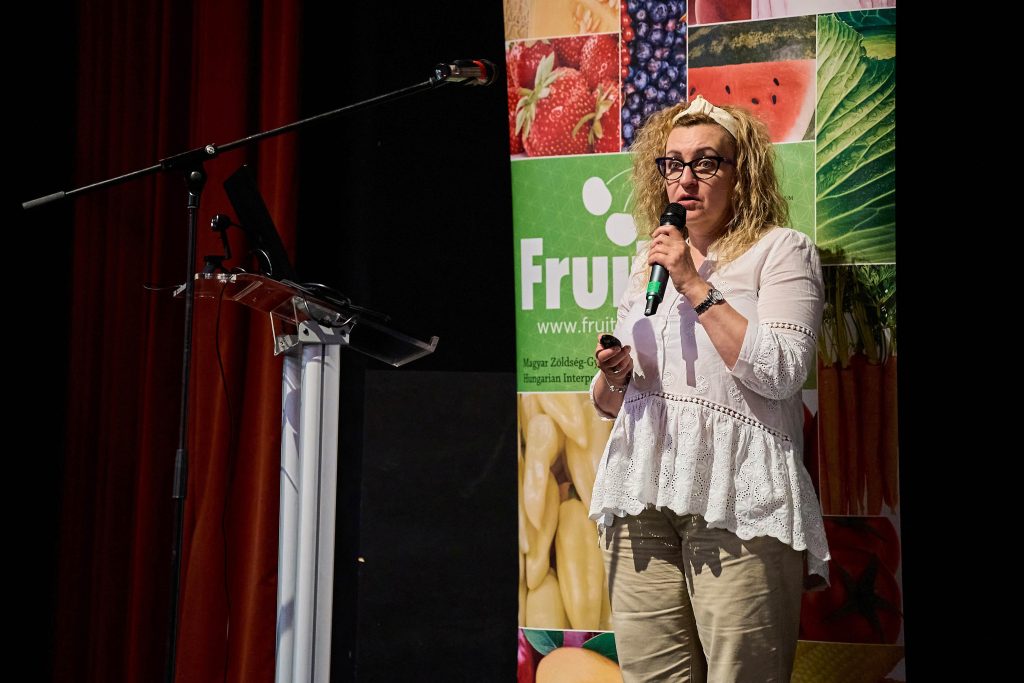
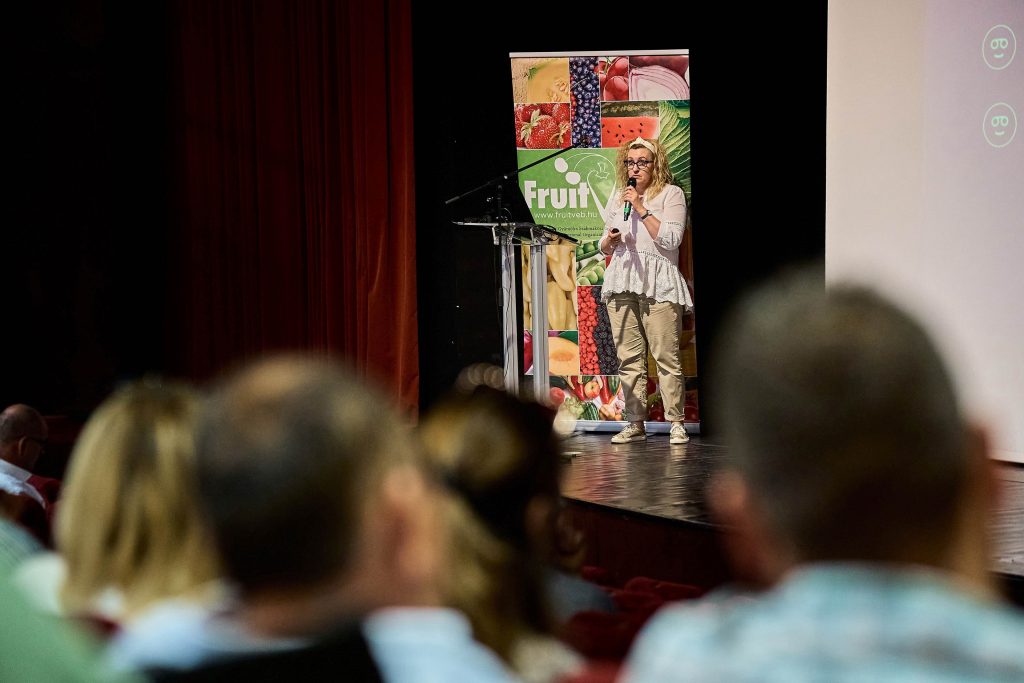
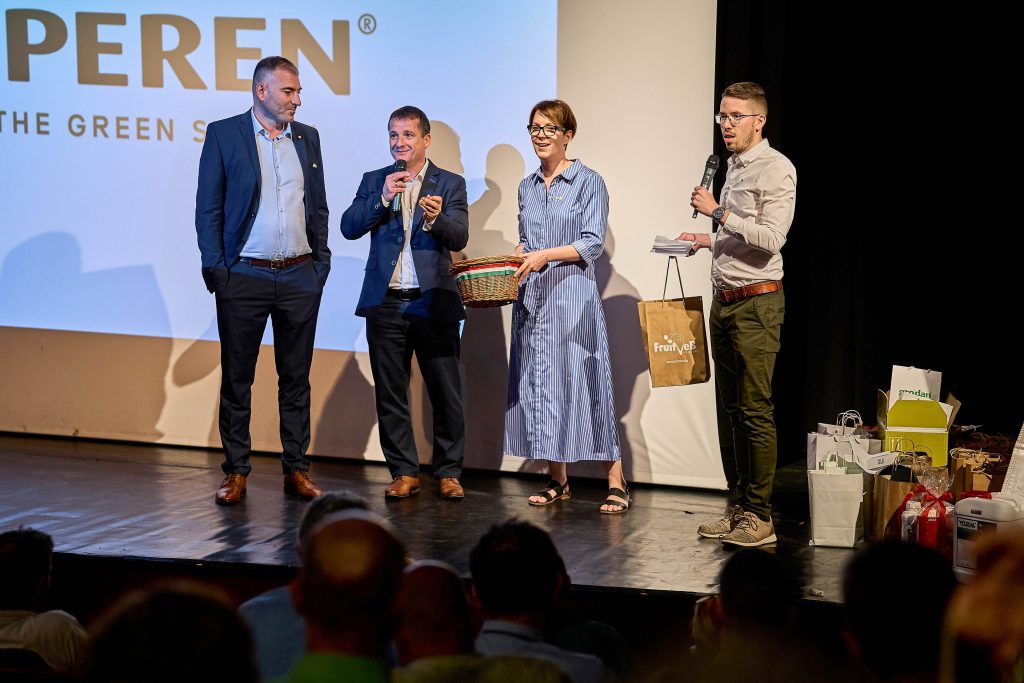
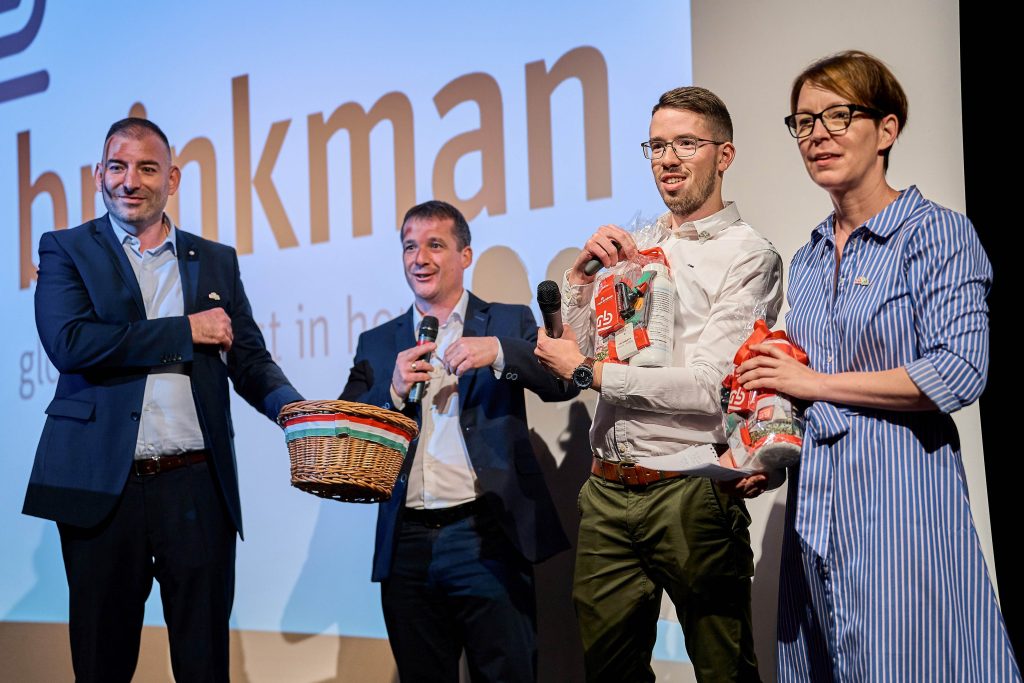
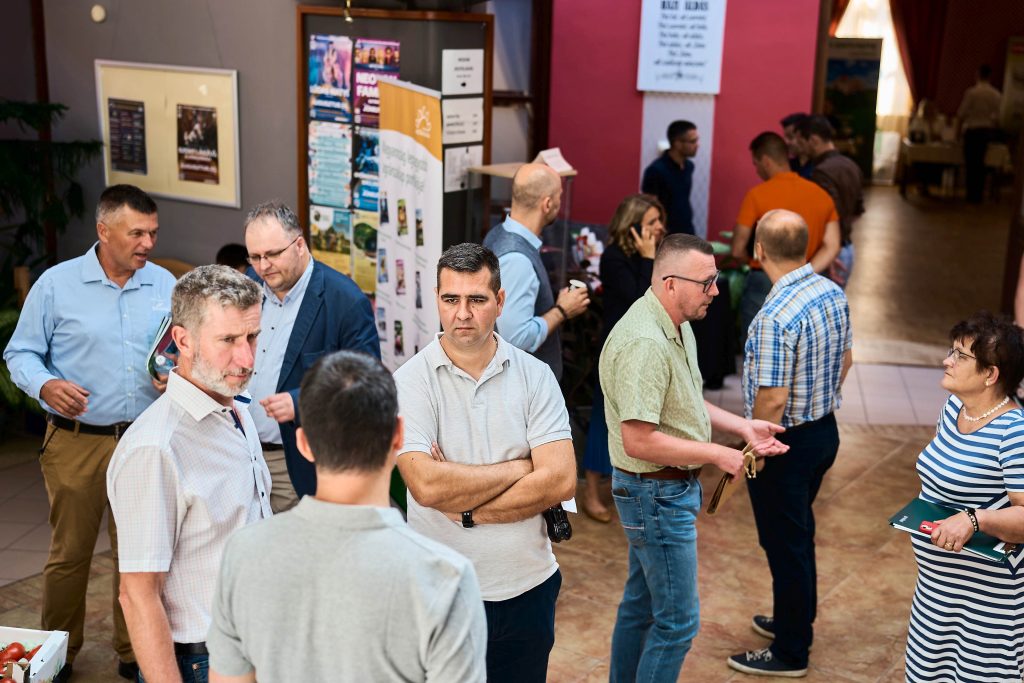
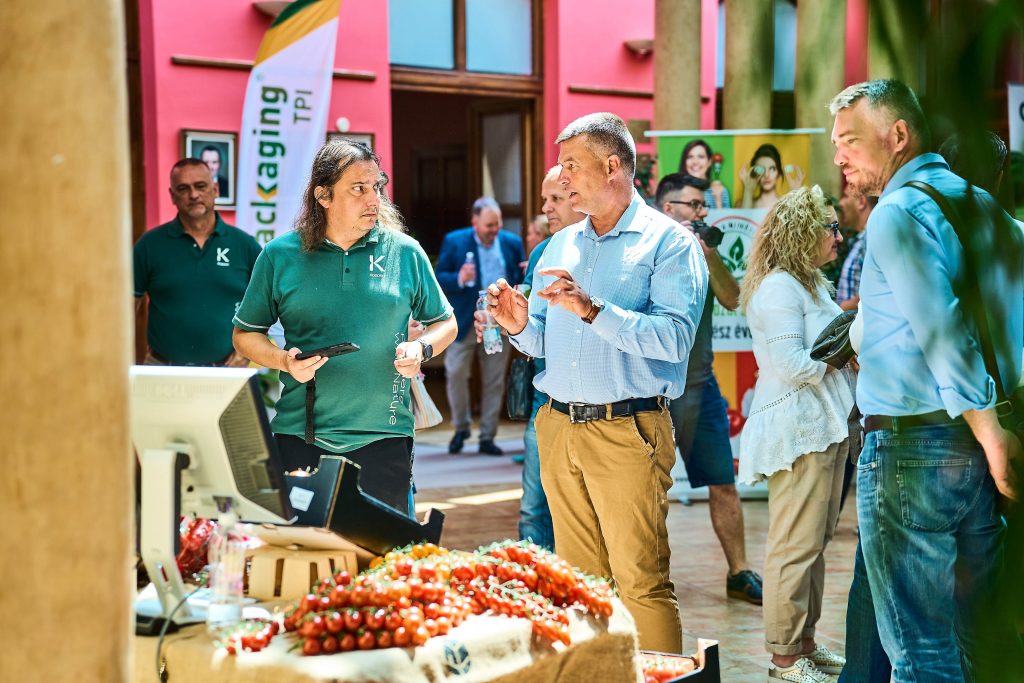
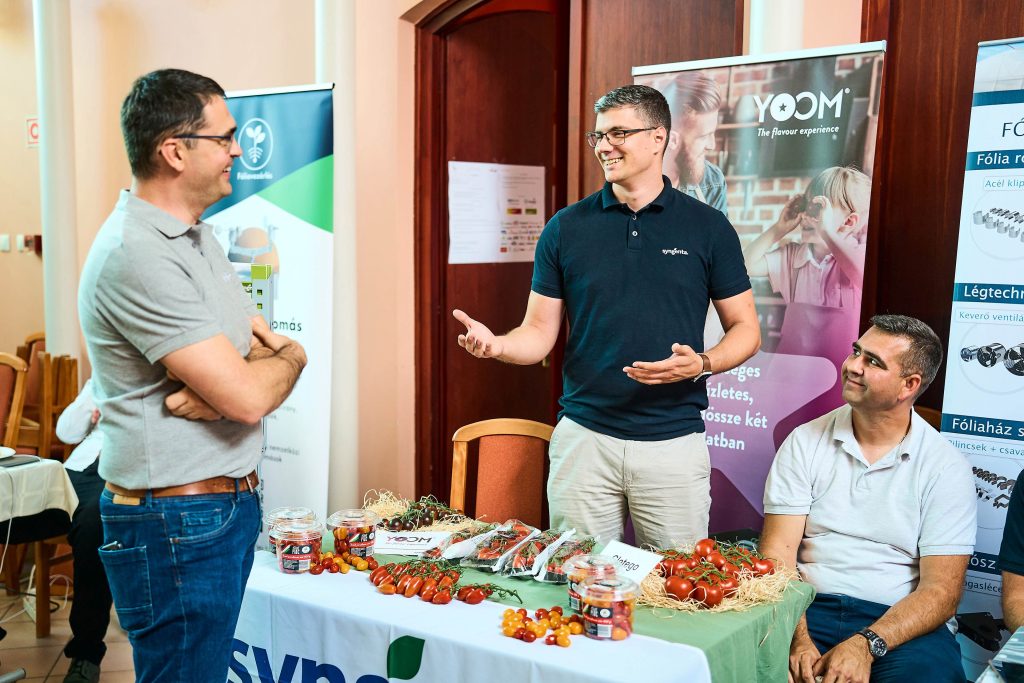
As in the previous year, the professional day on greenhouse tomato production organized by FruitVeB – the Hungarian Interprofessional Organization and Product Board for Fruit and Vegetables – attracted great interest again this year. More than 200 participants registered in advance for the event, which addressed the most important issues of the sector and was held on 2 June at the Aranyszöm Event Hall in Mórahalom.
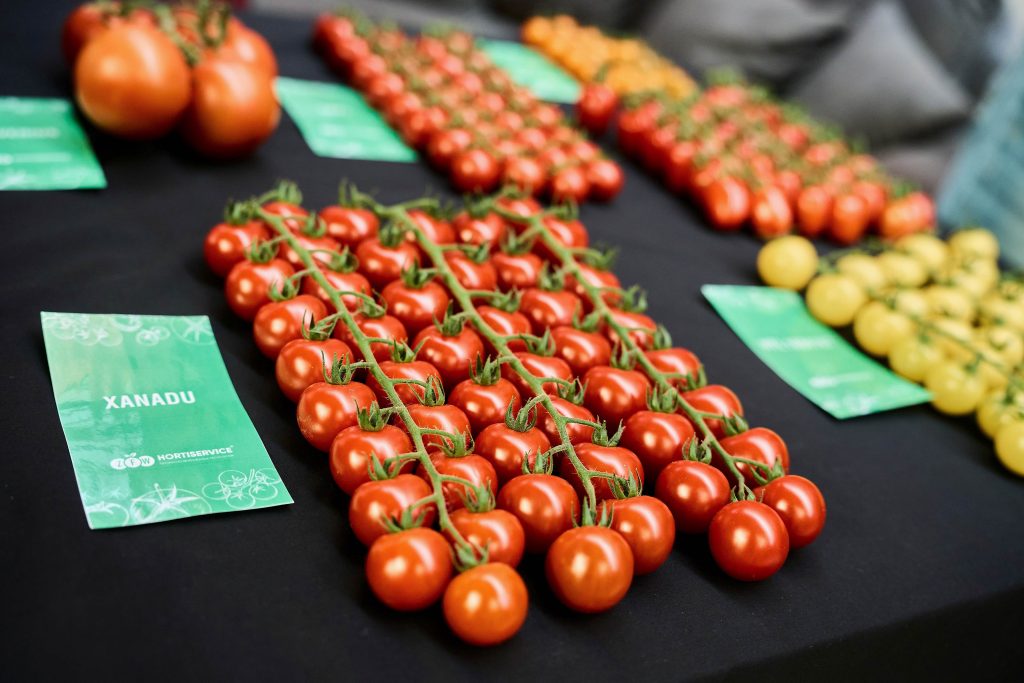
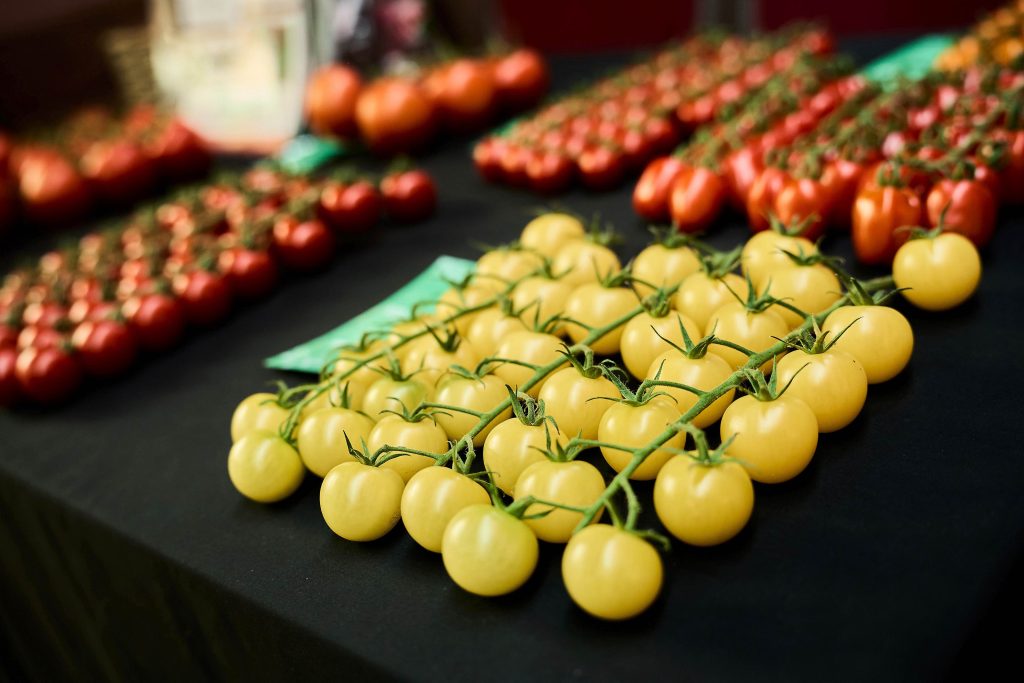
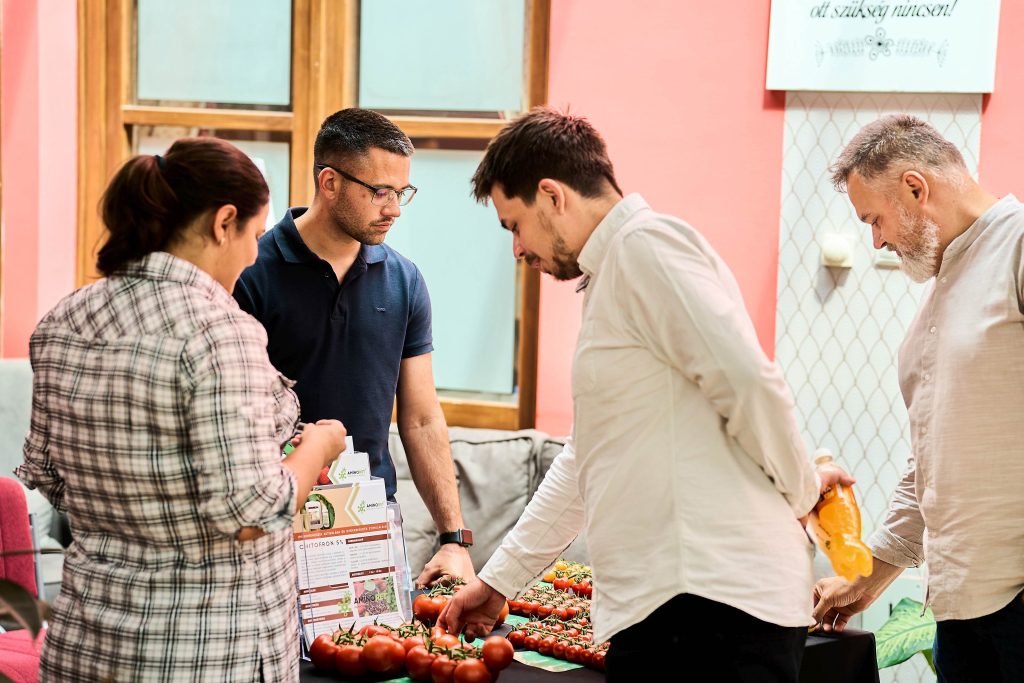
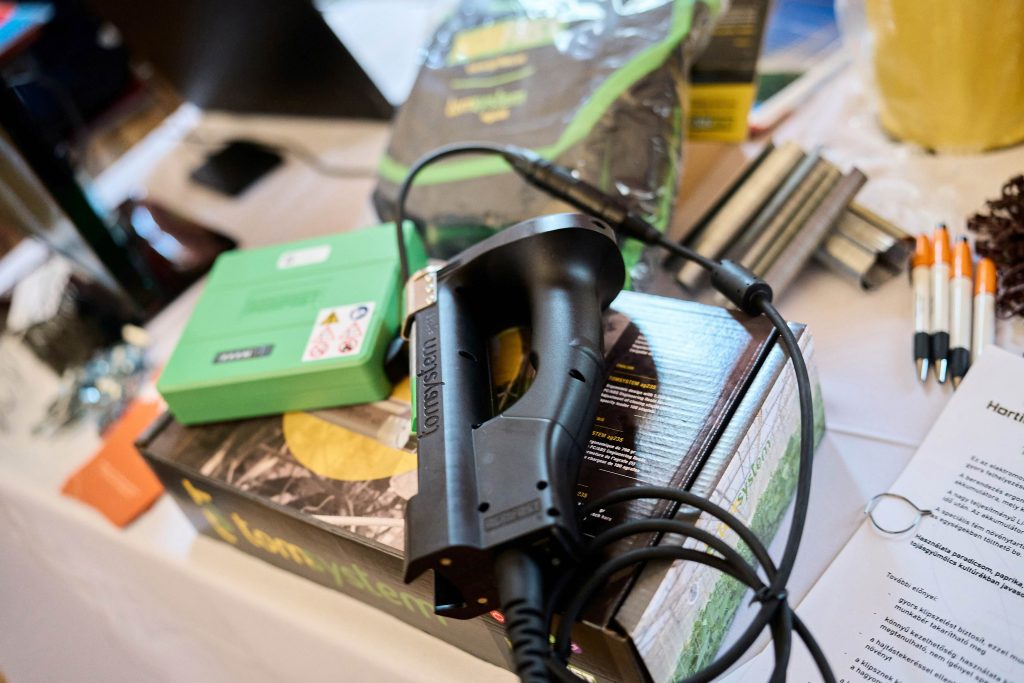
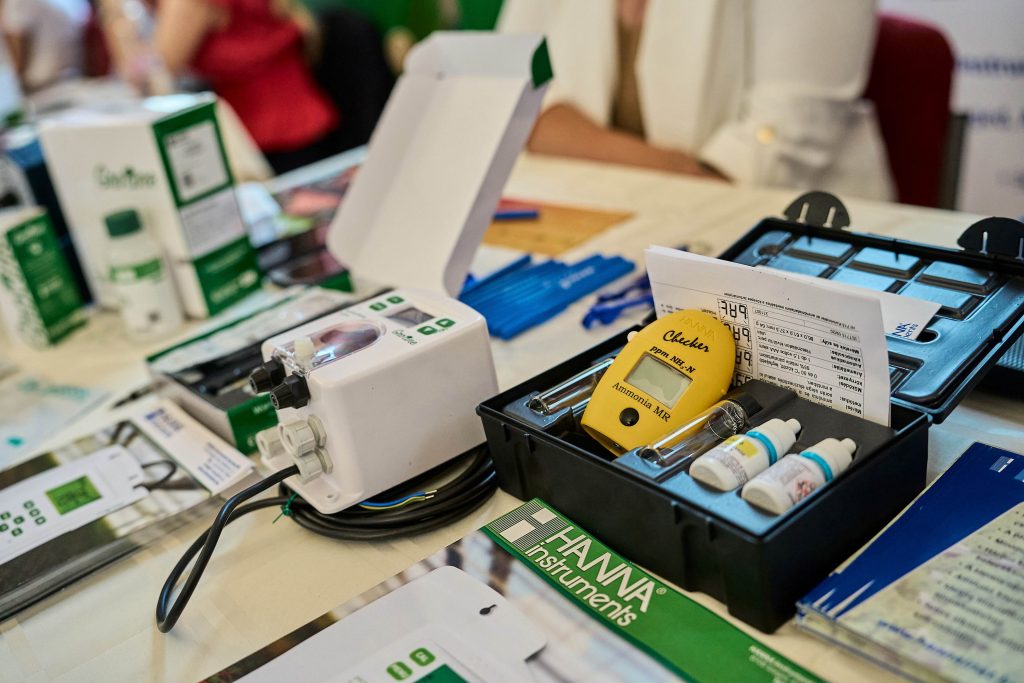
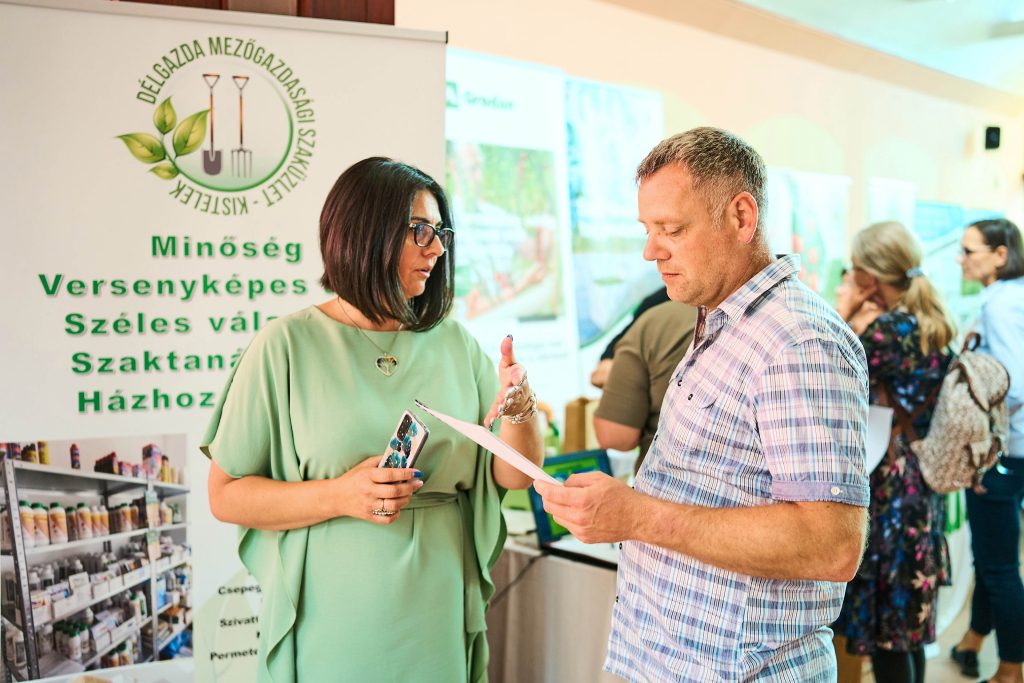
Az elismert hazai és külföldi előadók a legfrissebb információkkal szolgáltak a paradicsomhajtató kertészeket, termelői szervezeteket foglalkoztató témákban. A rendezvényen kiállító 35 háttéripari cégek és inputanyag-szolgáltatók pedig a legújabb technikákat, technológiai megoldásokat, innovatív fajtákat mutatták be, hogy a hajtató kertészek eredményesebben, jövedelmezőbben termelhessenek. Tevékenységüket segíthetik a kiállító pénzintézetektől kapott tanácsok is.
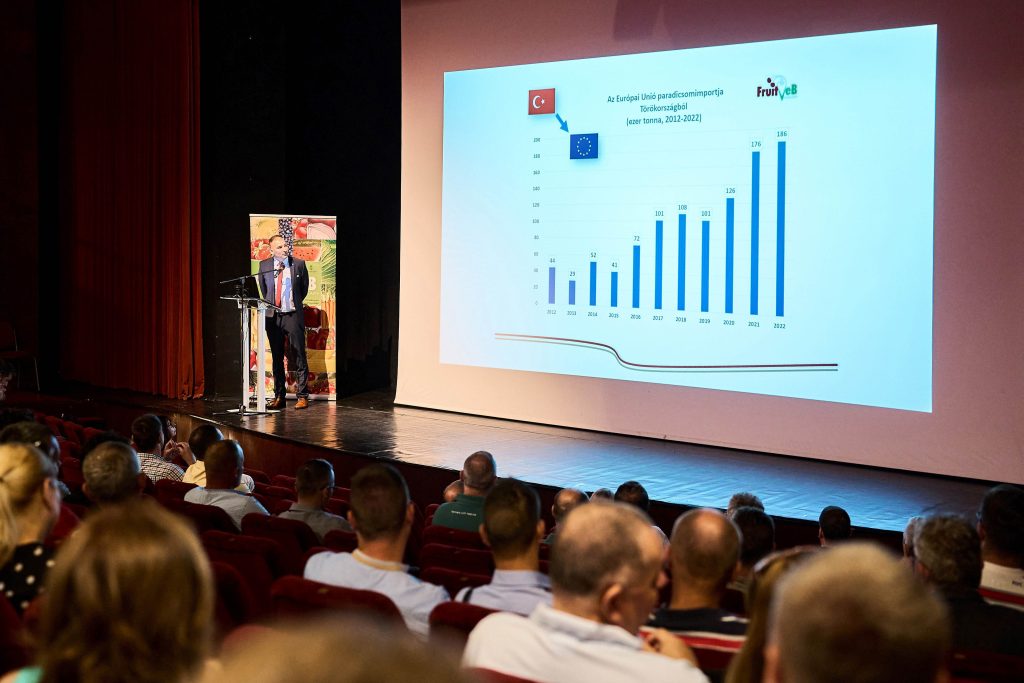
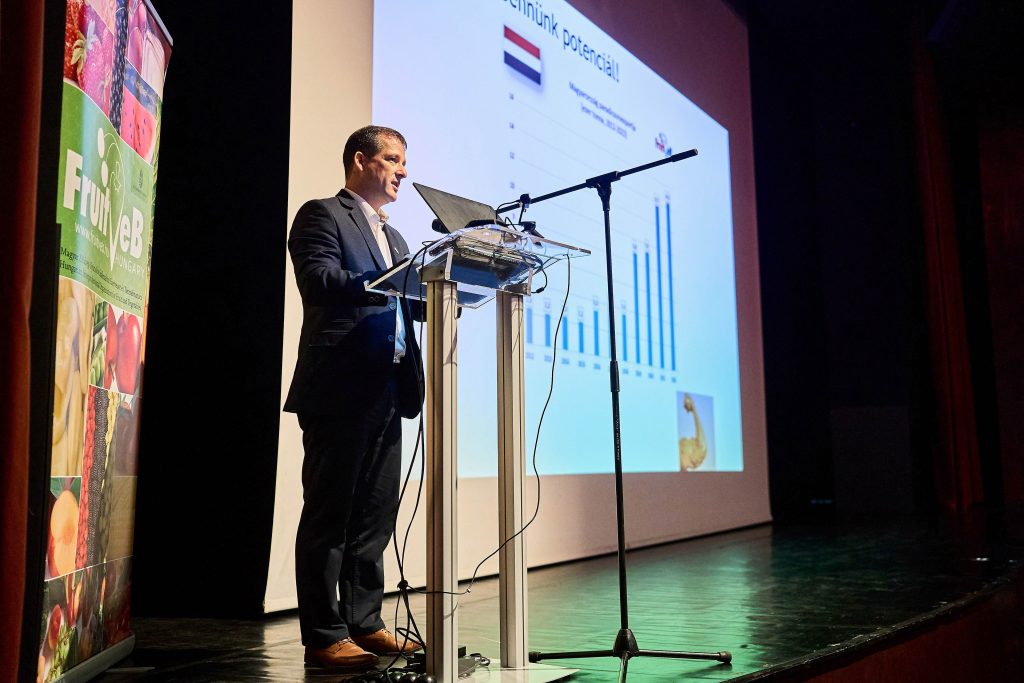
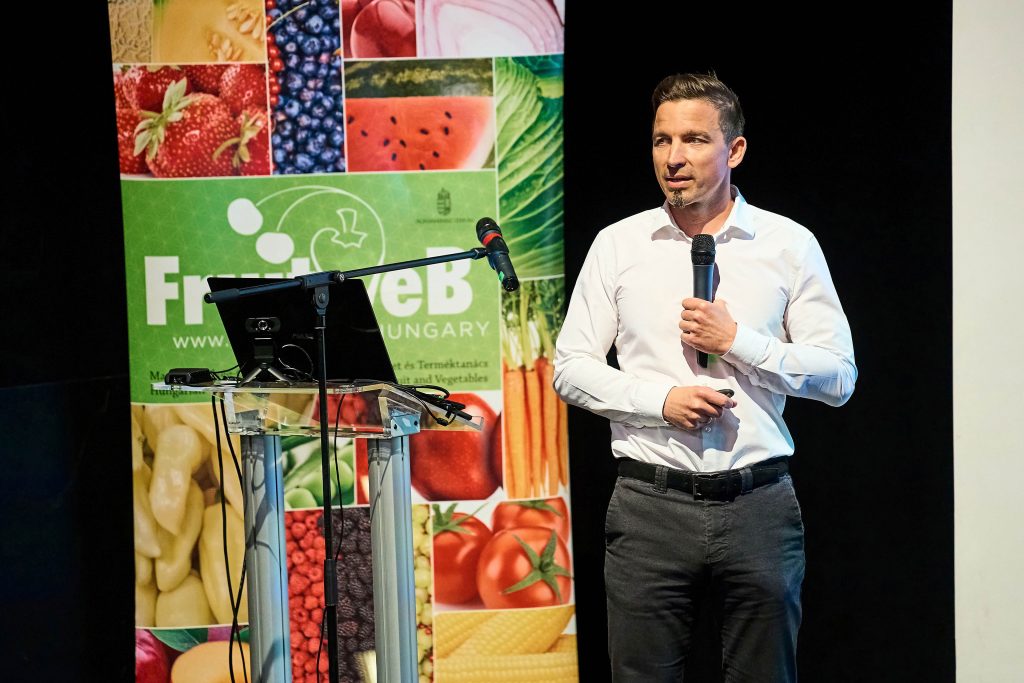
Welcoming the participants, Zoltán Gubacsi, Vice President of FruitVeB, stated that in recent years—thanks in part to support schemes and favorable loan opportunities—the area of greenhouse tomato production has increased by more than 110 hectares, now exceeding 310 hectares. Of the 150–160 thousand tonnes produced, 75–80% consists of loose and truss tomatoes, with the remainder being cherry and cocktail types. The average producer price of greenhouse tomatoes has been steadily increasing not only in Hungary but throughout the European Union. At the same time, total EU production is declining, and imports into the EU are rising, mainly from Morocco (70%), as well as from Turkey and Tunisia. Hungary has also become a player in the international tomato market, with exports reaching 14 thousand tonnes.
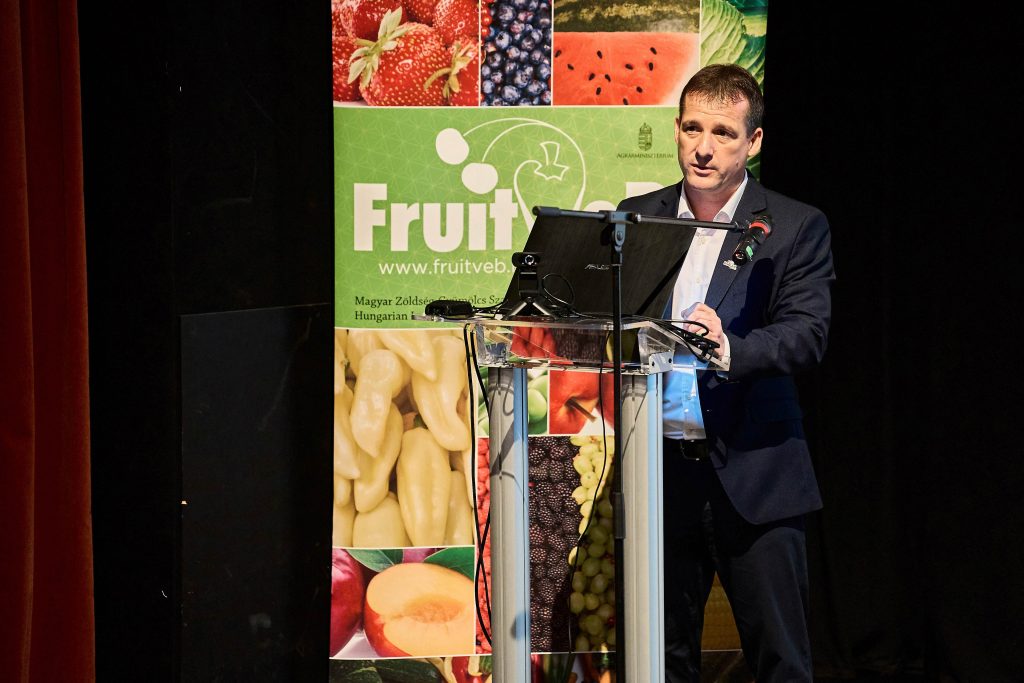
Dr. Ferenc Apáti, President of FruitVeB, highlighted that economic calculations show that in the past 4–5 years, the total production cost per hectare of greenhouse tomato cultivation has increased by 70–80%, and including depreciation, it now reaches 160–180 million HUF. Therefore, growers must continue improving production efficiency to maintain profitability. However, greenhouse tomato producers are on the right track.
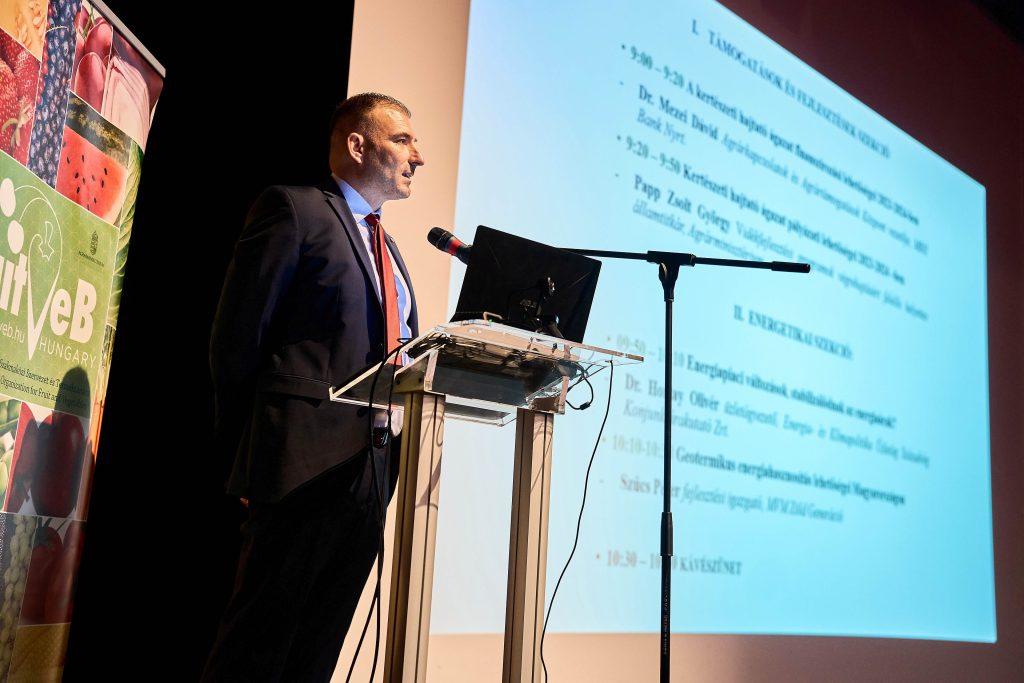
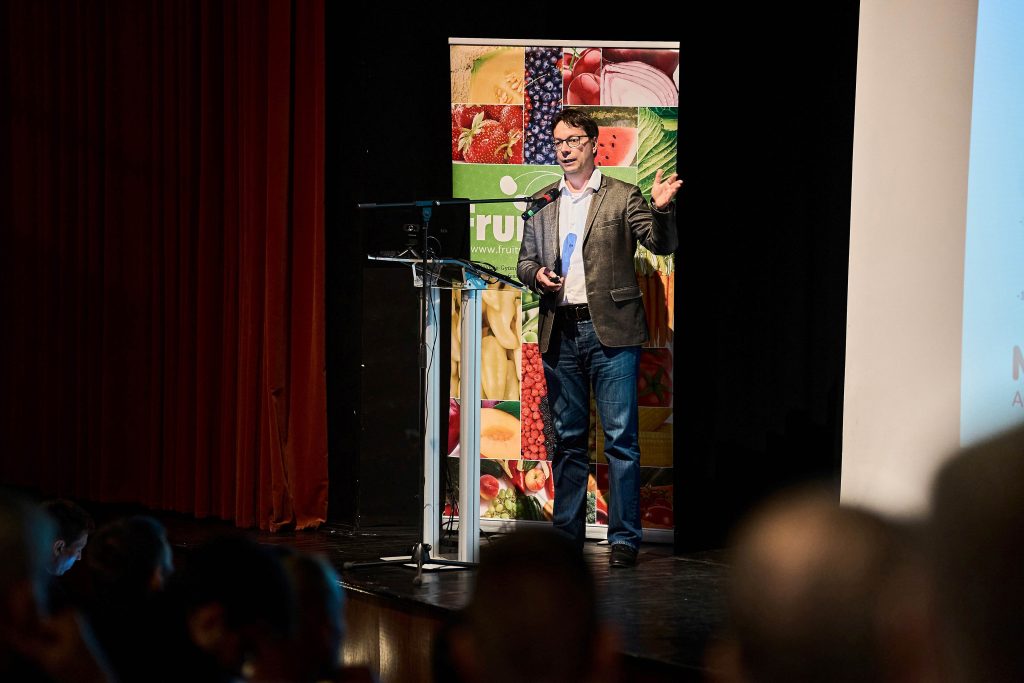
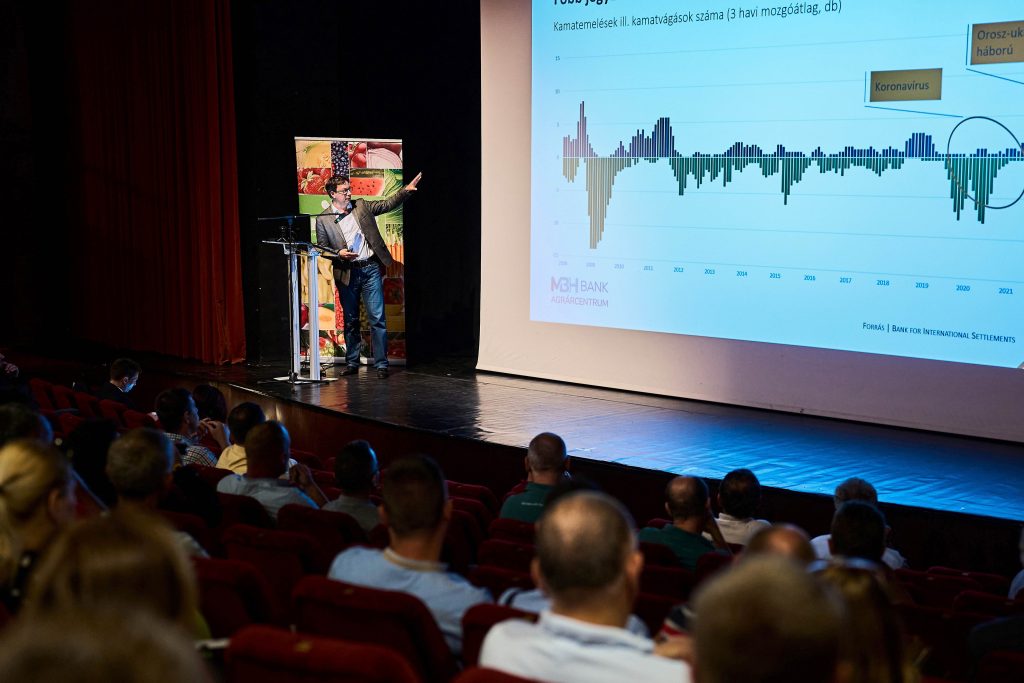
In the Support and Development section, Dávid Mezei, Head of the Agricultural Relations and Agricultural Subsidies Center at MBH Bank Plc., shared the good news that the wave of interest rate hikes by major central banks has largely come to an end, and Hungary is no exception—interest rate cuts are expected, which may favor new investments. He also pointed out that new regulations arising from the EU’s so‑called Green Deal (for example, concerning plant and soil protection) will fundamentally shape agricultural production. Moreover, the European Commission aims to influence consumer habits, including reducing meat consumption, which may benefit the fruit and vegetable sector.
Over the past 10 years, horticulture has undergone enormous development thanks to subsidies and favorable financing. The greatest achievement, according to György Zsolt Papp, Deputy State Secretary responsible for the implementation of rural development programs at the Ministry of Agriculture, is that postharvest machinery has also become eligible for support. He spoke in detail about the transformation of the Common Agricultural Policy and asked that those who have already received support but have not yet implemented their investment request an exemption or deadline extension. If they cannot implement it, they should release it, as new calls for proposals will be launched next year. This year is not about subsidies, but growers wishing to invest may obtain euro‑denominated loans if they have sufficient export revenue.
In the energy section, Dr. Olivér Hortay, Head of the Energy and Climate Policy Division at Századvég Economic Research Institute, detailed changes in the energy market. He explained the drivers behind rising energy prices and emphasized that in the short and medium term, gas prices will continue to determine electricity prices. Increasing renewable capacities do not yet provide significant relief, as major investments are needed for grid integration. According to the expert, the energy market remains so turbulent that it is difficult to advise when to purchase energy, but growers may incur smaller losses if they secure their energy needs as early as possible.
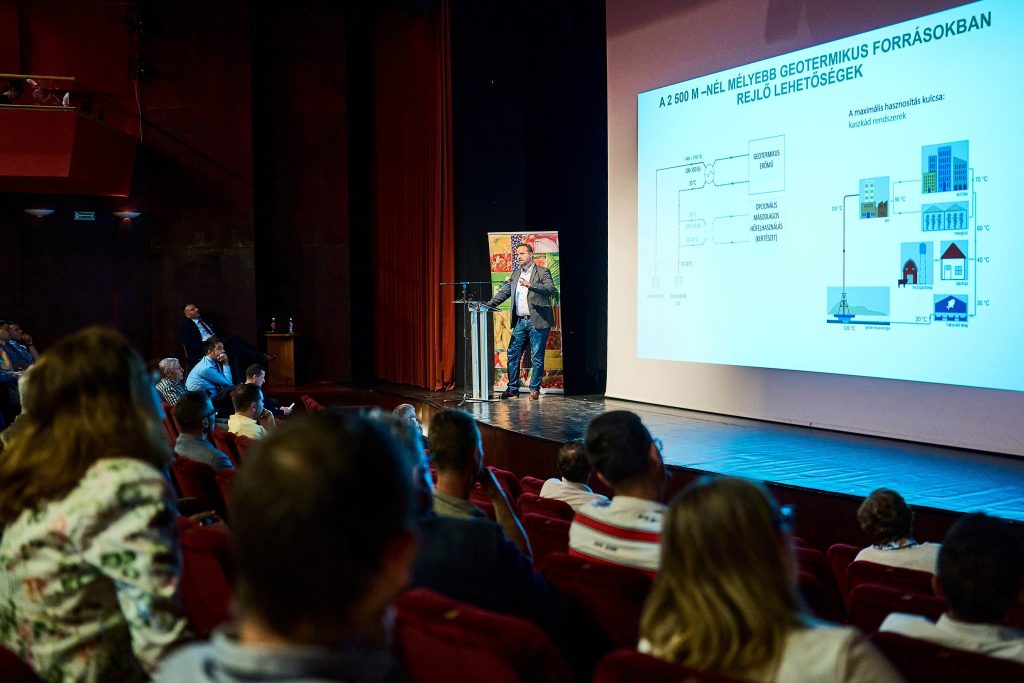
Péter Szűcs, Development Director of MVM Zöld Generáció Kft. (MVM Green Generation Ltd.), spoke about the possibilities of geothermal energy utilization. It was revealed that Hungary already operates a power plant that generates electricity from geothermal energy.
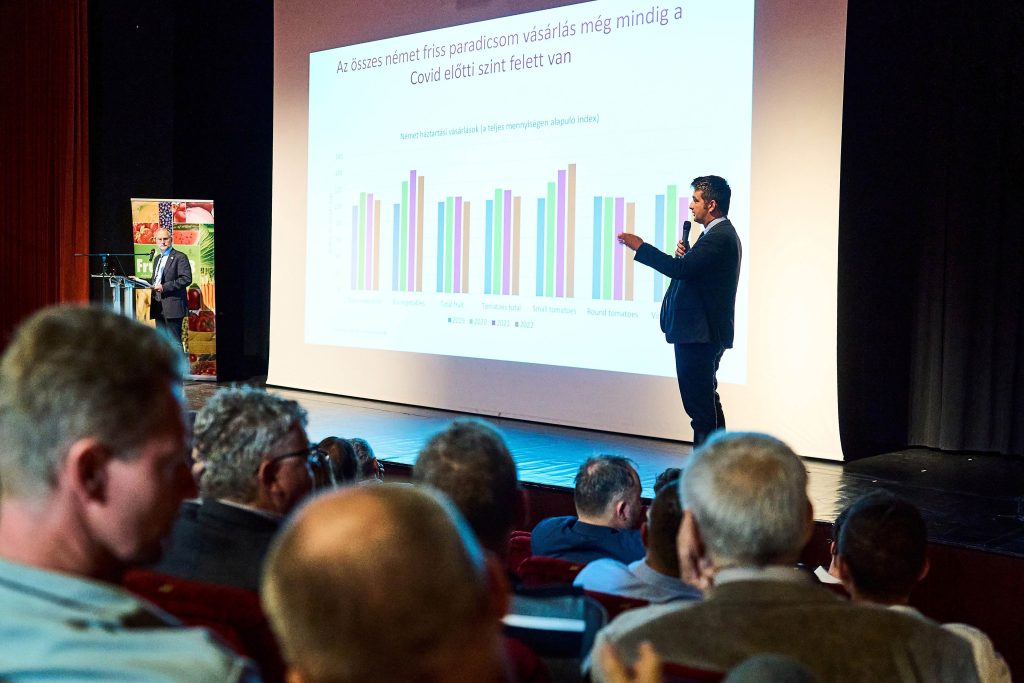
A szakmai szekcióban Wim Rodenburg, a Producentenorganisaties GLB Hollandia (Holland Zöldség-Gyümölcs Terméktanács ügyvezető igazgatója) ügyvezető igazgató elmondta, hogyan a hollandiai zöldségtermesztésnek az egyik vezérnövénye a paradicsom. Mintegy 1800 hektáron termeszti 150 cég. A hajtatófelület 40%-a megvilágított, és a termés fele fürtös paradicsom, de ennek a típusnak az aránya a fogyasztói szokásokhoz igazodva csökken. Jó hír, hogy a legtöbb tagállamban növekszik a paradicsomfogyasztás. A hollandiai termesztést is sújtó paradicsom termésráncosodás vírussal szemben a higiénia szigorításával próbálják felvenni a harcot, illetve próbálkoznak vakcinációval, a legbiztosabb megoldás pedig a rezisztencia beépítése a fajtákba. Hollandiában már több helyen termesztenek ToBRFV ellenálló fajtákat. Az energiaválság hatására a termelők napi szinten foglalkoznak az energiamenedzsmenttel, hogy csökkentsék költségeiket. A paradicsomkertészeket is érinti az energiaadó, és egy-két éven belül CO2-kibocsátási adót is terveznek bevezetni.
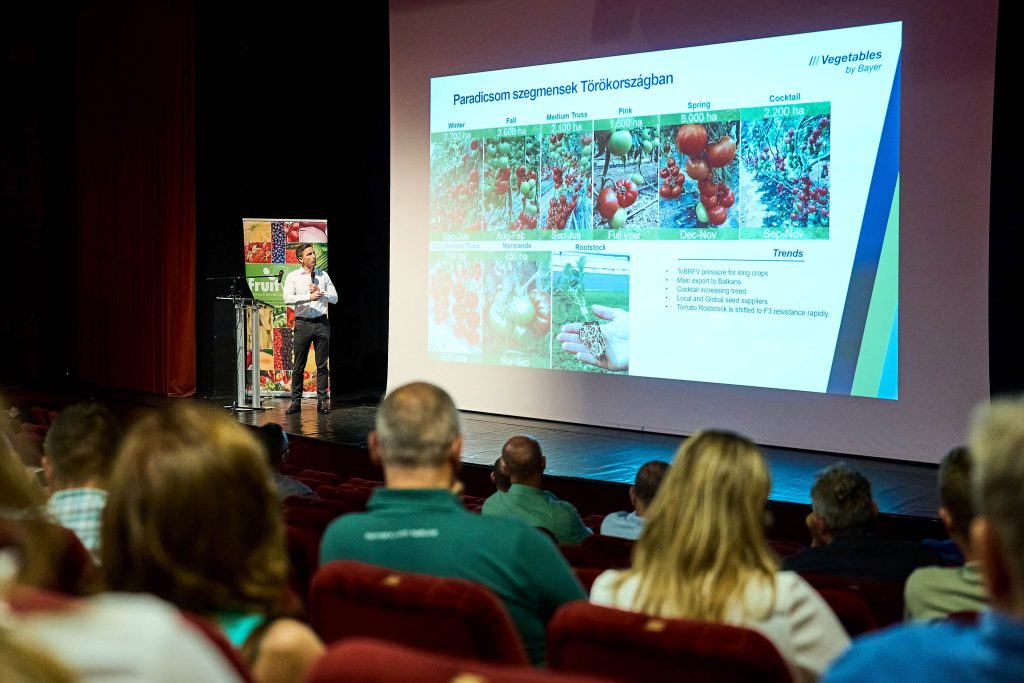
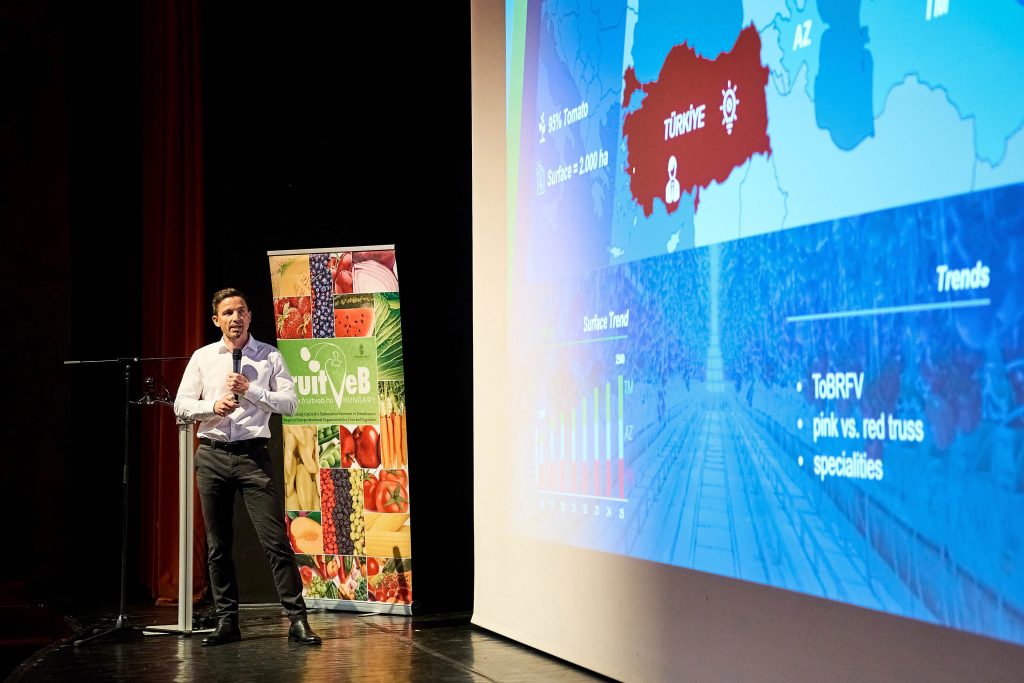
New producer regions are emerging in addition to the well‑known tomato‑growing areas. Greenhouse production is gradually expanding, for example, in Turkey, as well as in the Middle East, Mexico, Russia, China, and Central Asia, as explained by Dr. Dániel Tompos, Commercial Director of Bayer Hungaria Ltd. Some of these developments serve local supply or nearby major consumer markets. The major producing countries are not expected to increase their own production significantly; instead, they are likely to purchase more and build greenhouses in locations where production costs are lower.
Regarding minor crop authorizations, Csaba Szűcs, Director of the National Food Chain Safety Office, emphasized the effective work of the minor‑crop working group, while also noting that this is not the solution to every problem. Presenting the ToBRFV situation in Hungary, he called growers’ attention to the fact that many responsibilities fall on them as well. For example, it is essential to purchase propagation material only from reliable sources, to comply with strict hygiene regulations, and to carry out self‑monitoring.
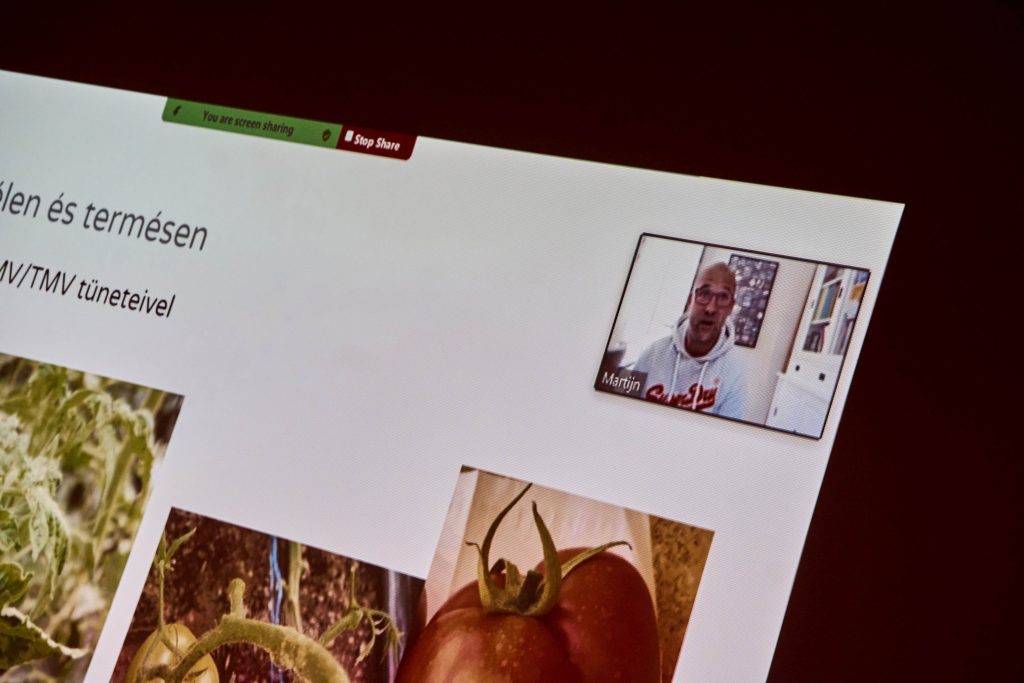
Progress in breeding ToBRFV‑resistant varieties was presented to growers by Tibor Tornyai, High‑Tech Product Manager at Rijk Zwaan, and by Martijn van Stee, Tomato Breeding Lead at ENZA Vegetable Seeds.
Alicja Zielinska‑Szőriné, consultant at Grodan, prepared a comparison of production costs in Polish and Hungarian greenhouse tomato cultivation based on grower‑provided data. She also explained the reasons behind the differences in specific cost items and highlighted the yield levels required for profitability.
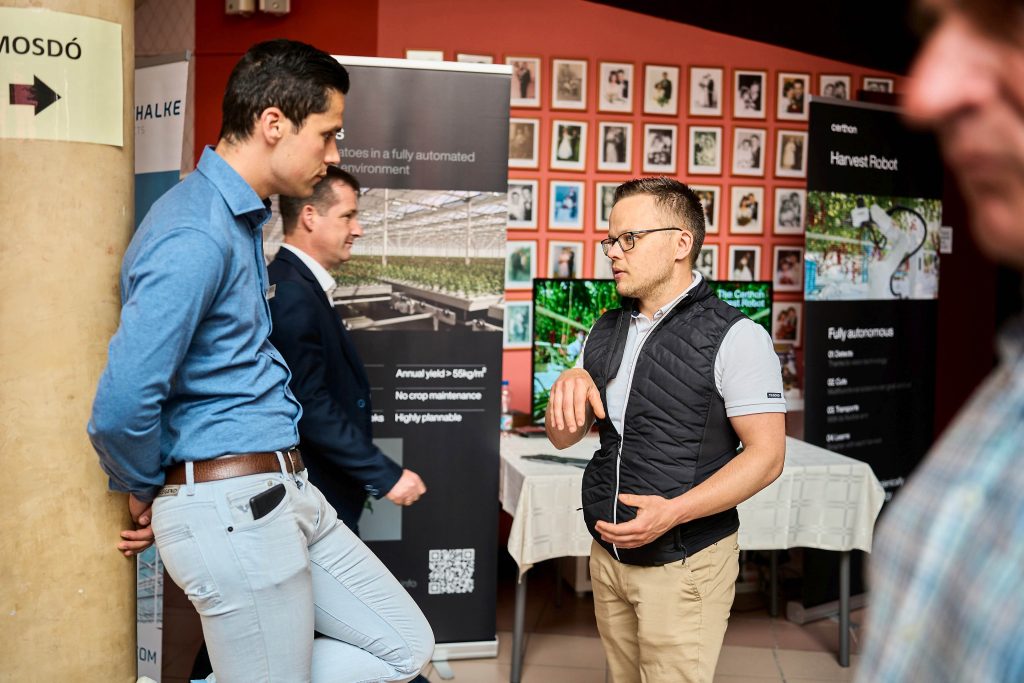
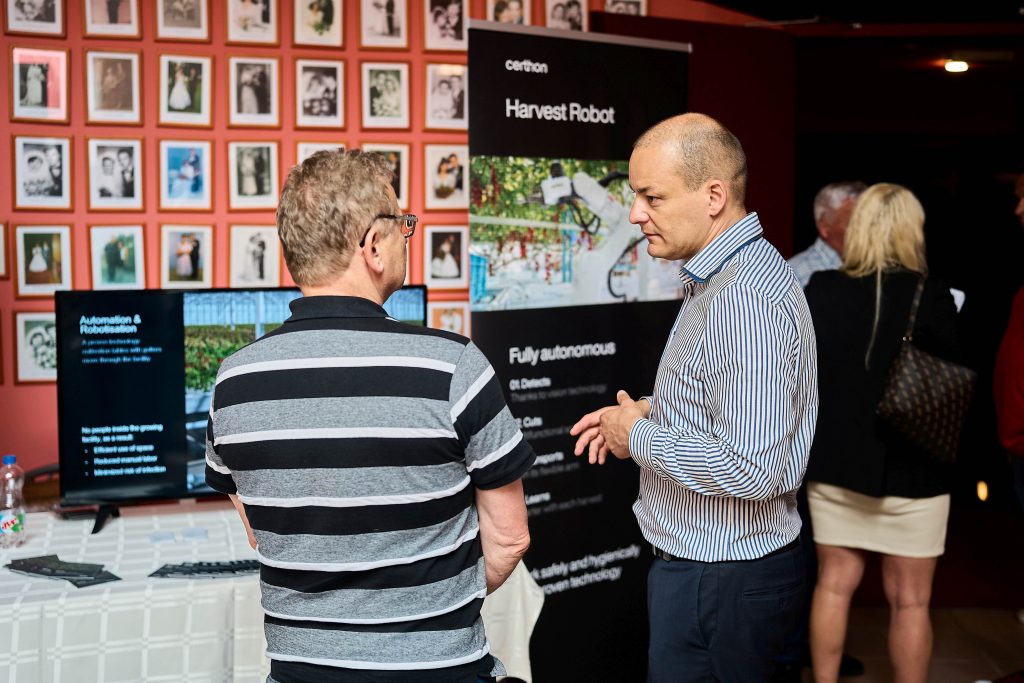
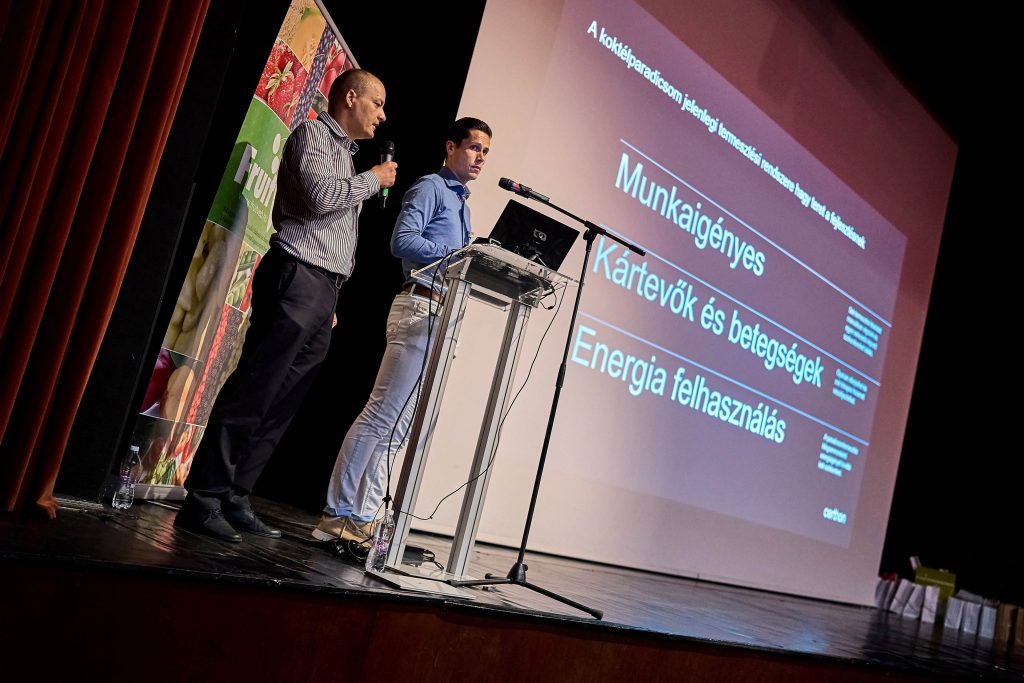
Two innovative solutions for reducing manual labor were presented. Jaap Weerheim, Product Manager at Certhon – Greenhouse Solutions, outlined the advantages of the GRONOS (labor‑free) tomato production technology and its associated greenhouse design. Anikó Antal, Managing Director of HortiGreenTech, introduced the parameters of the Metomotion GroW tomato‑harvesting robot. This Israeli‑developed robot is already operating in several Dutch greenhouses.
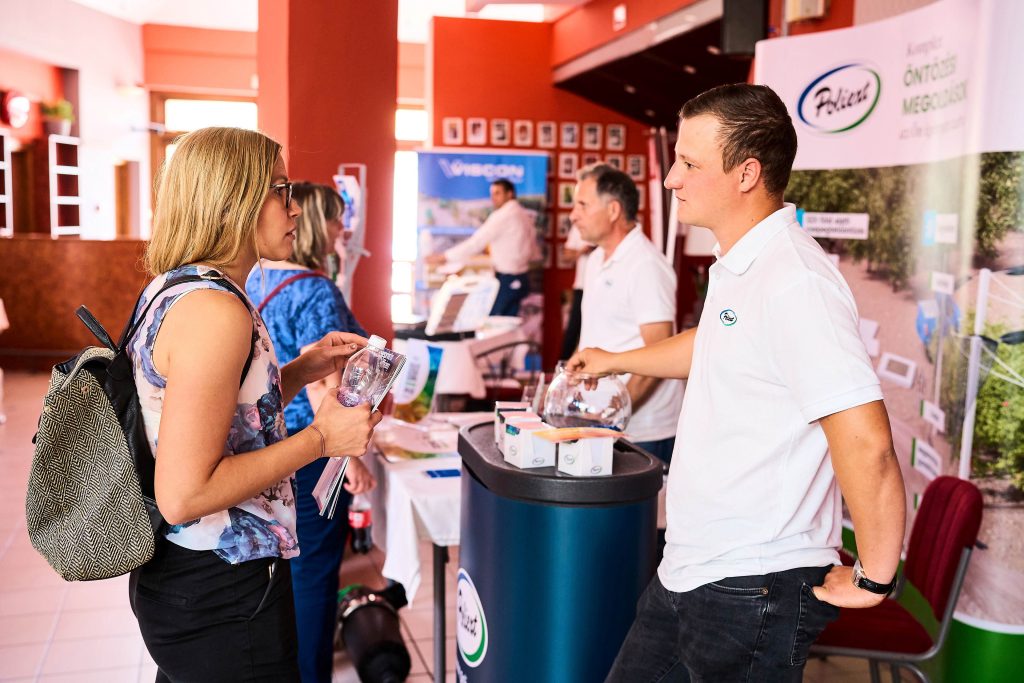
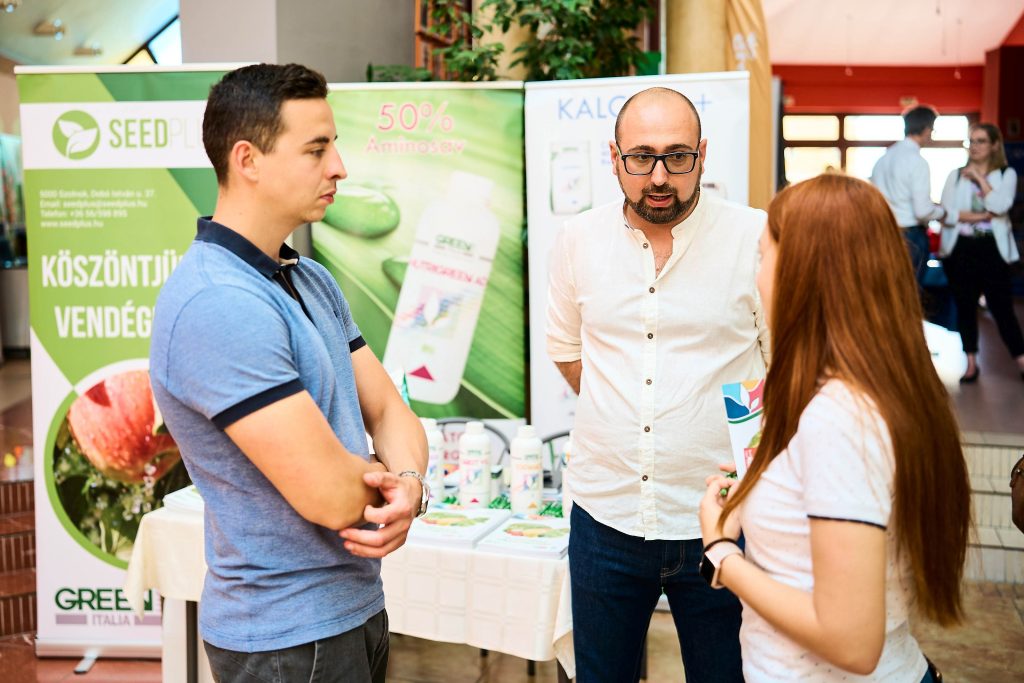
Photo gallery of the conference: