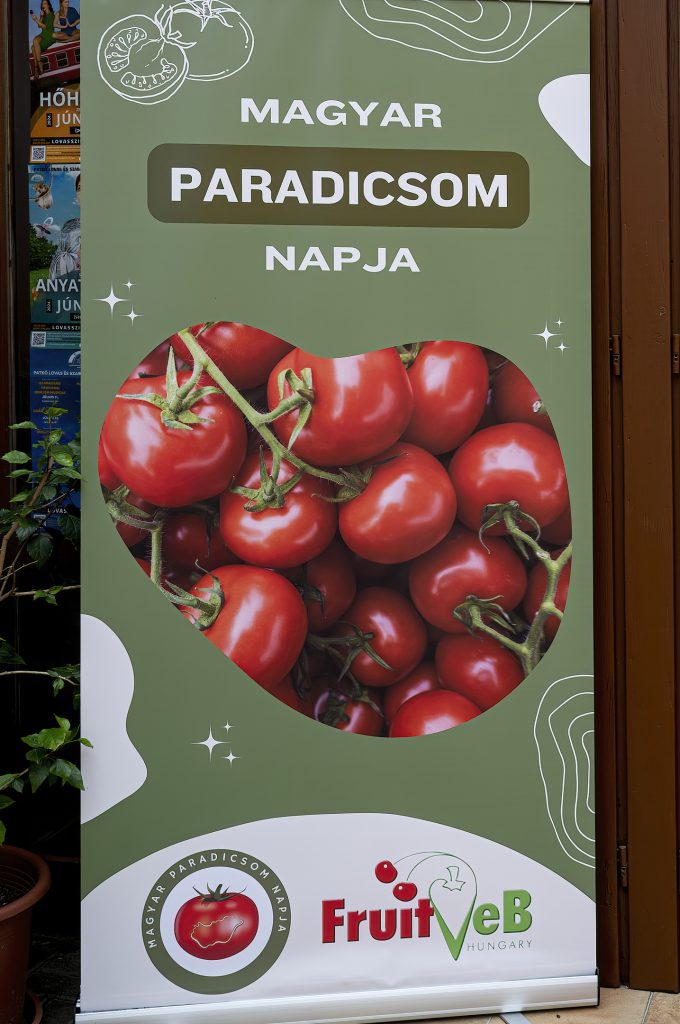
Report on the Hungarian Tomato Day 2024 event (with photos and video)
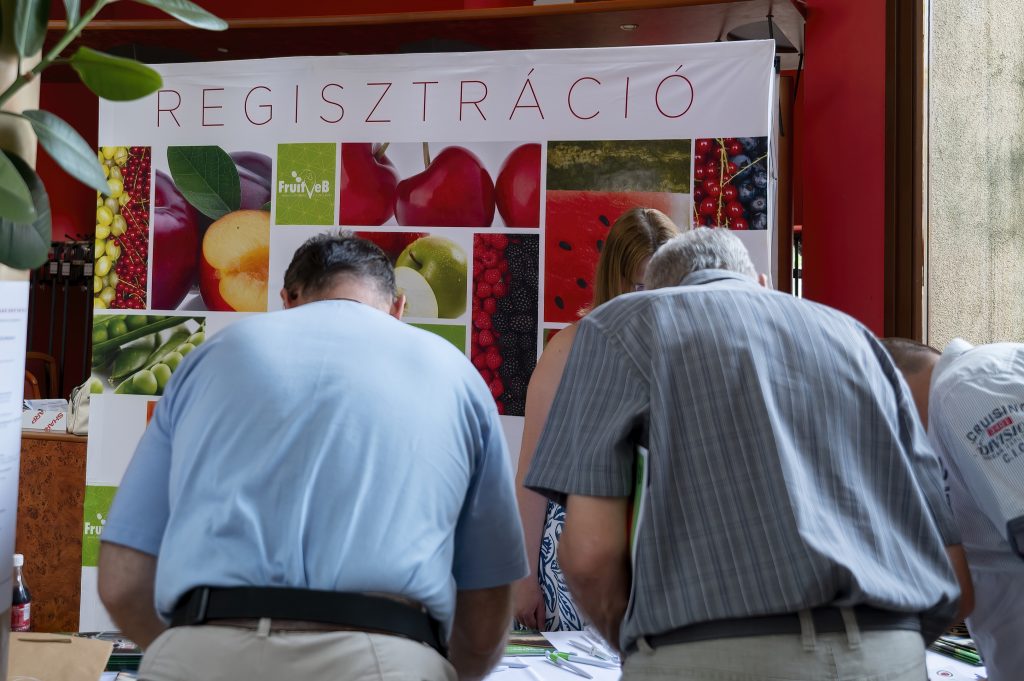
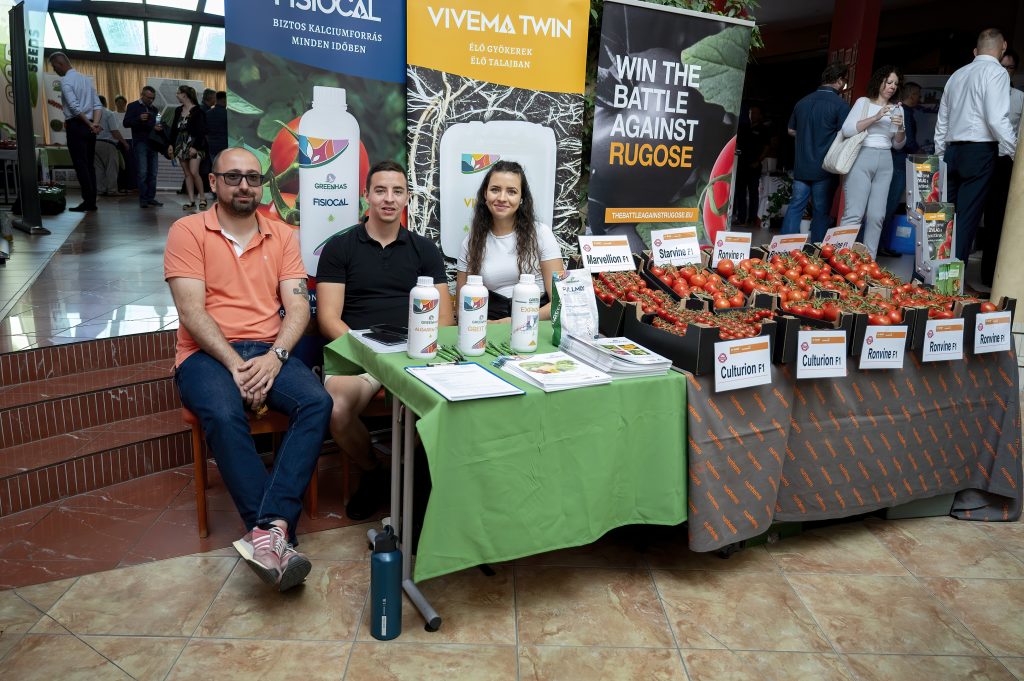
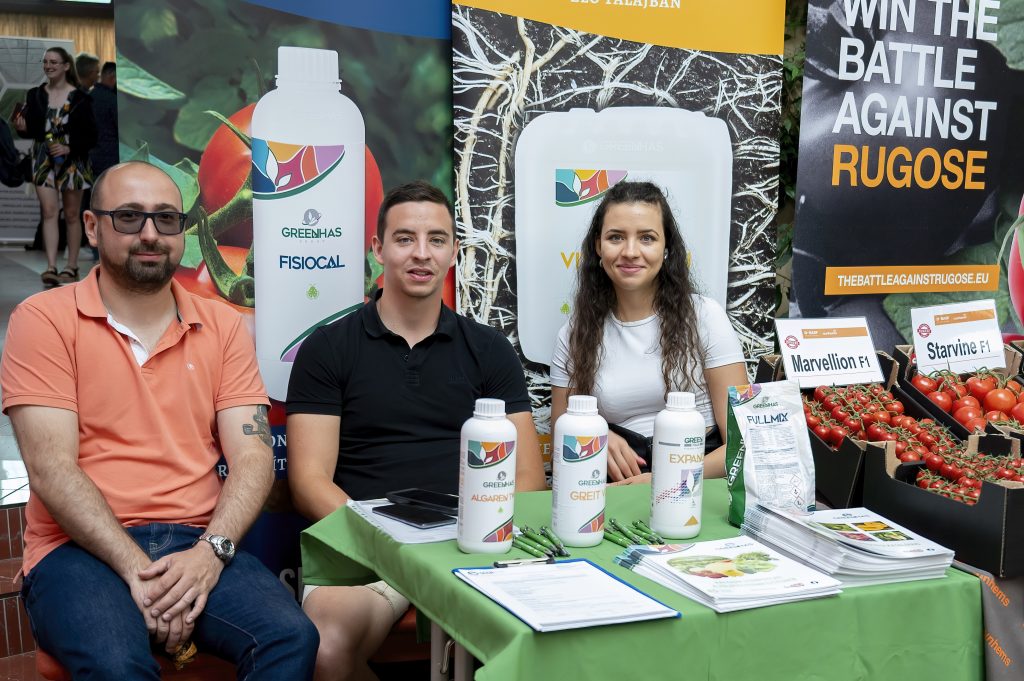
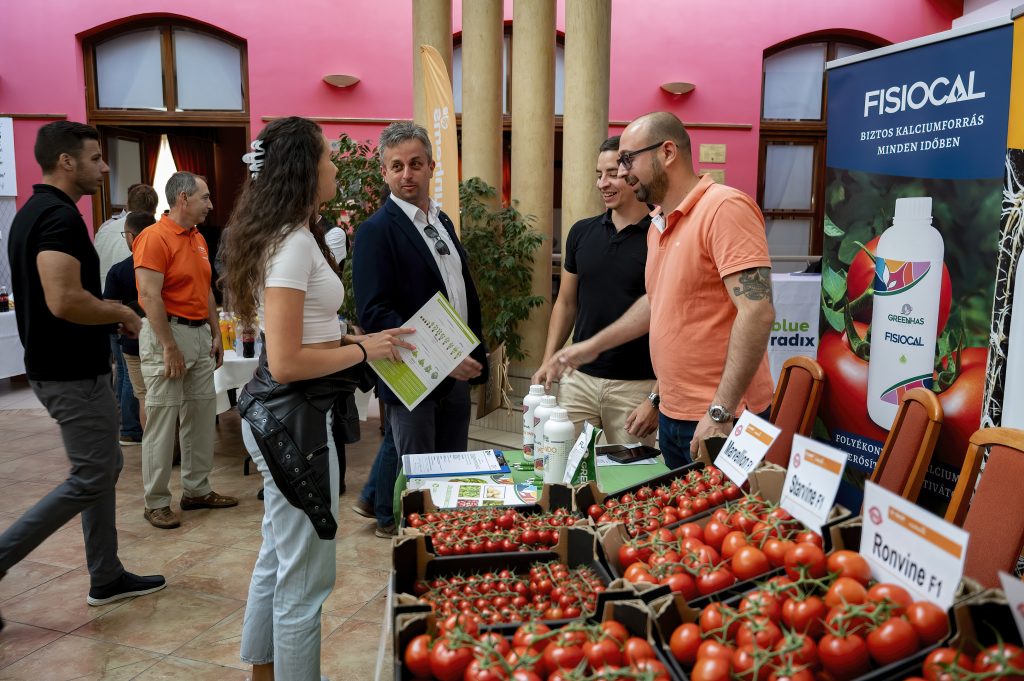
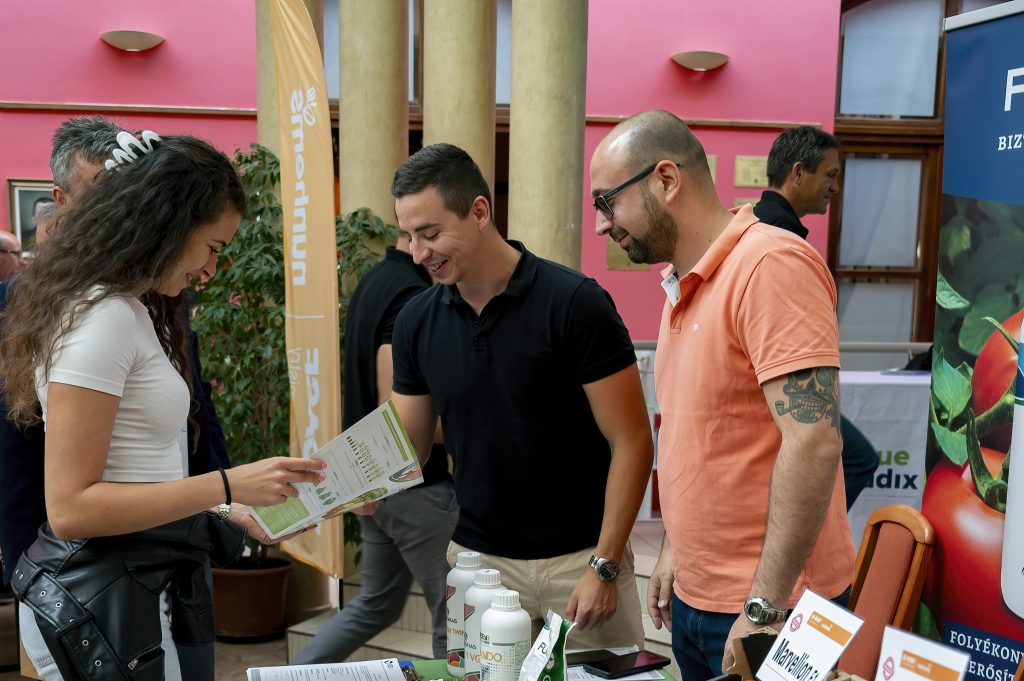
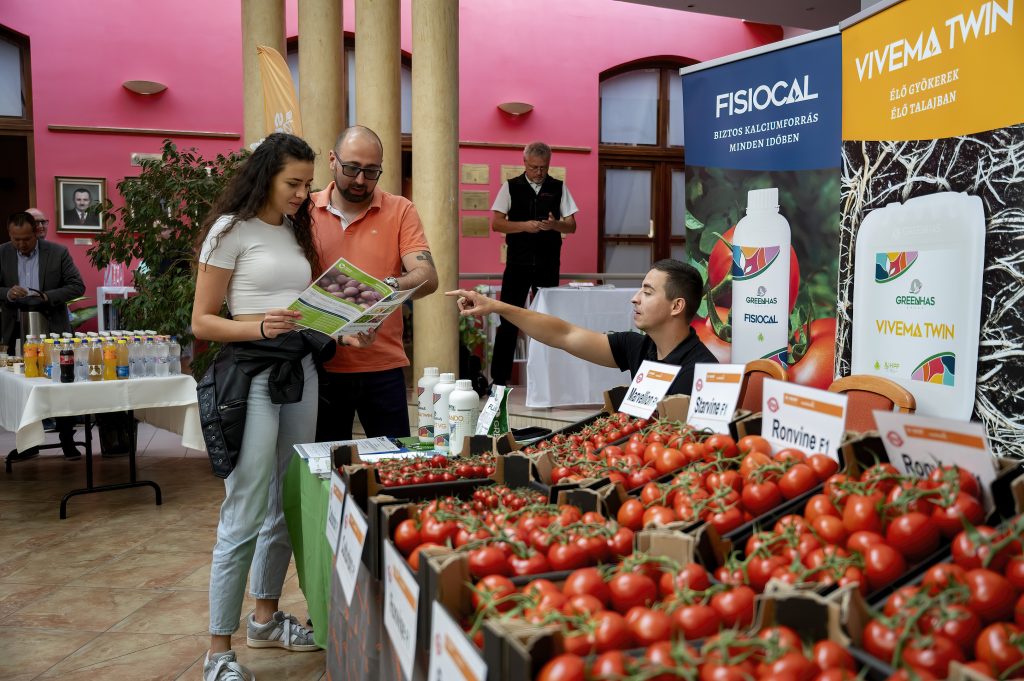
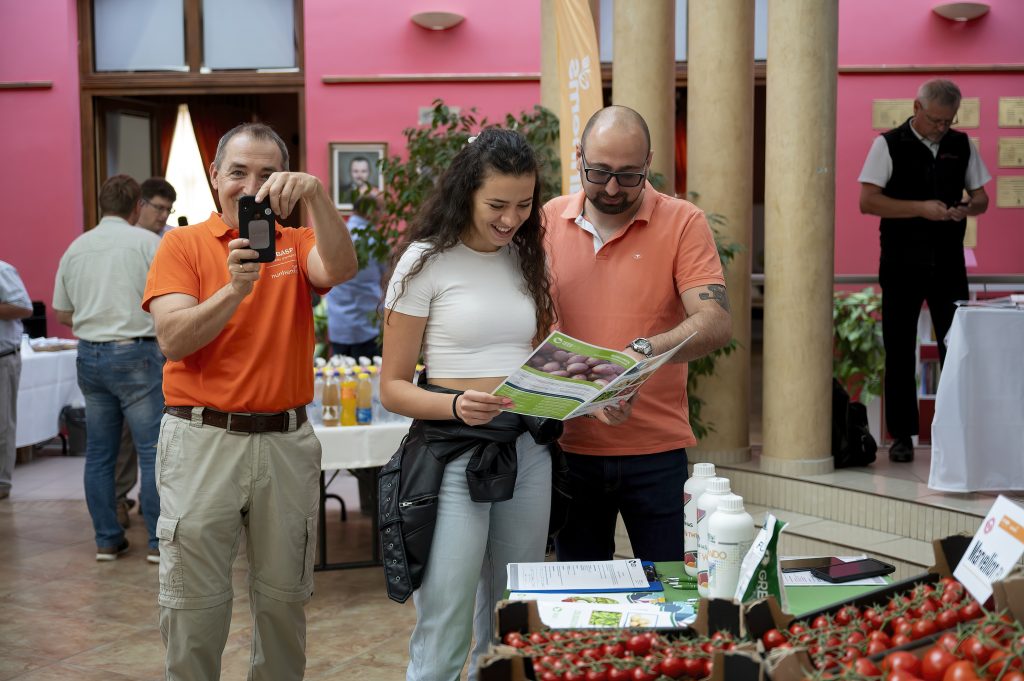
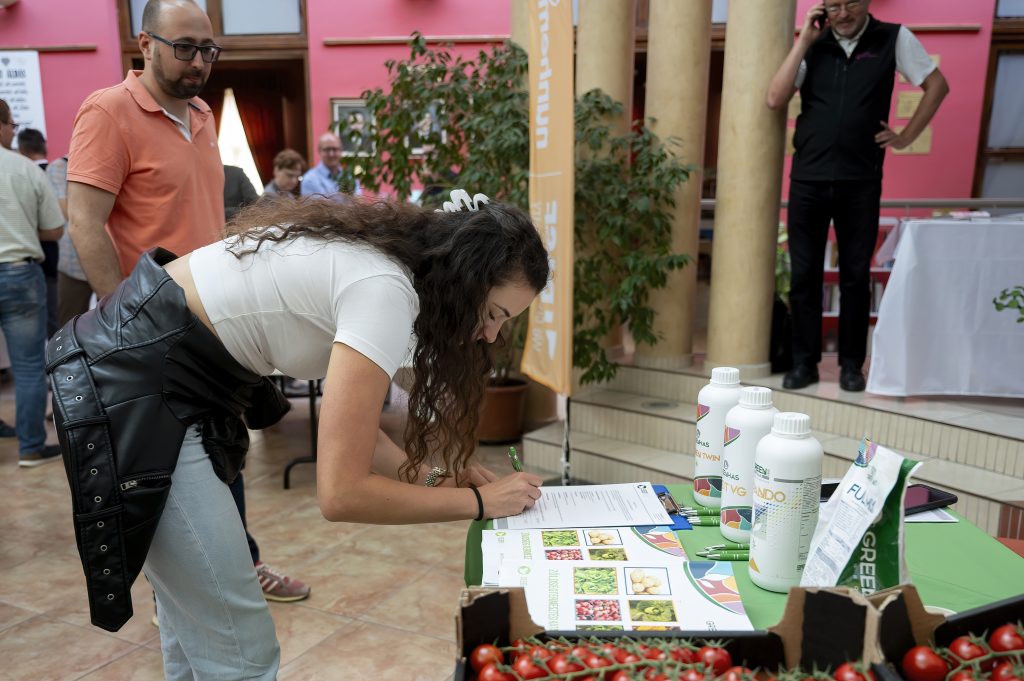
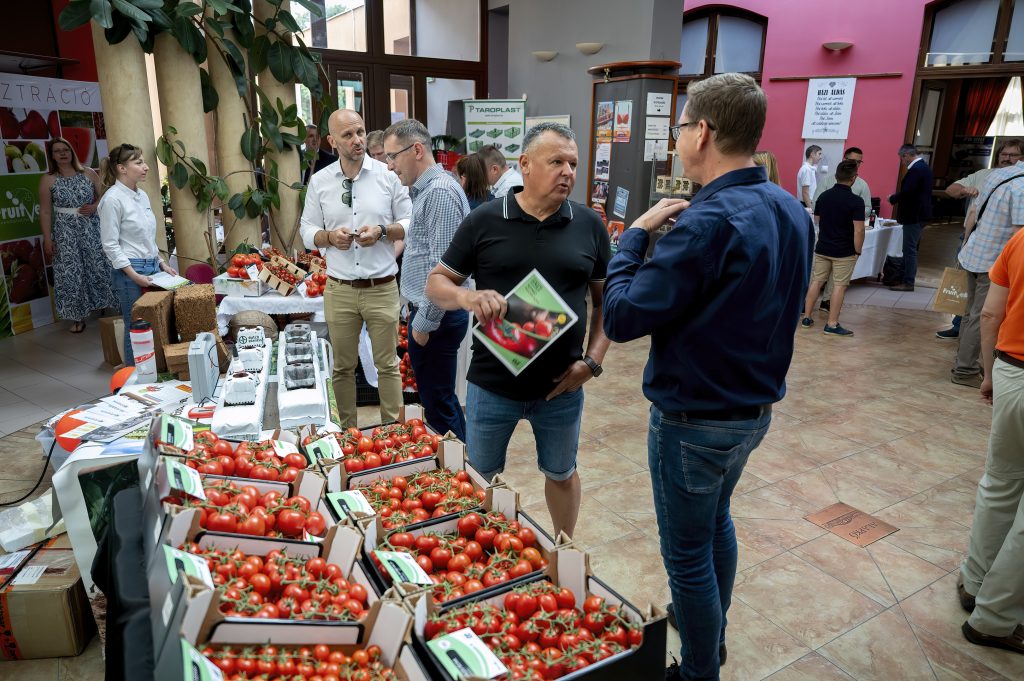
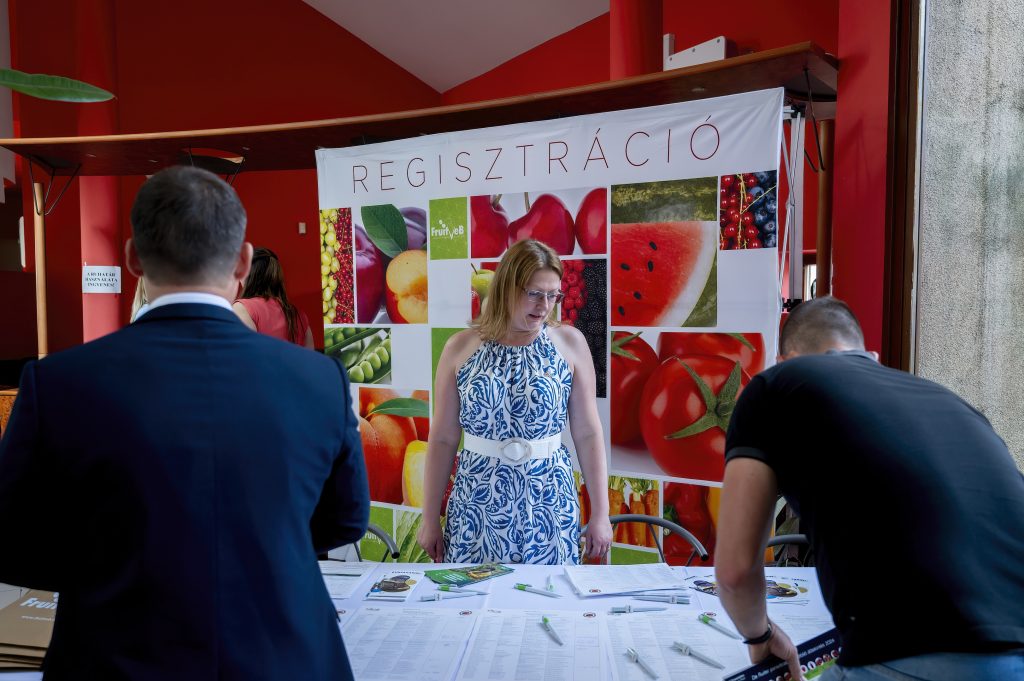
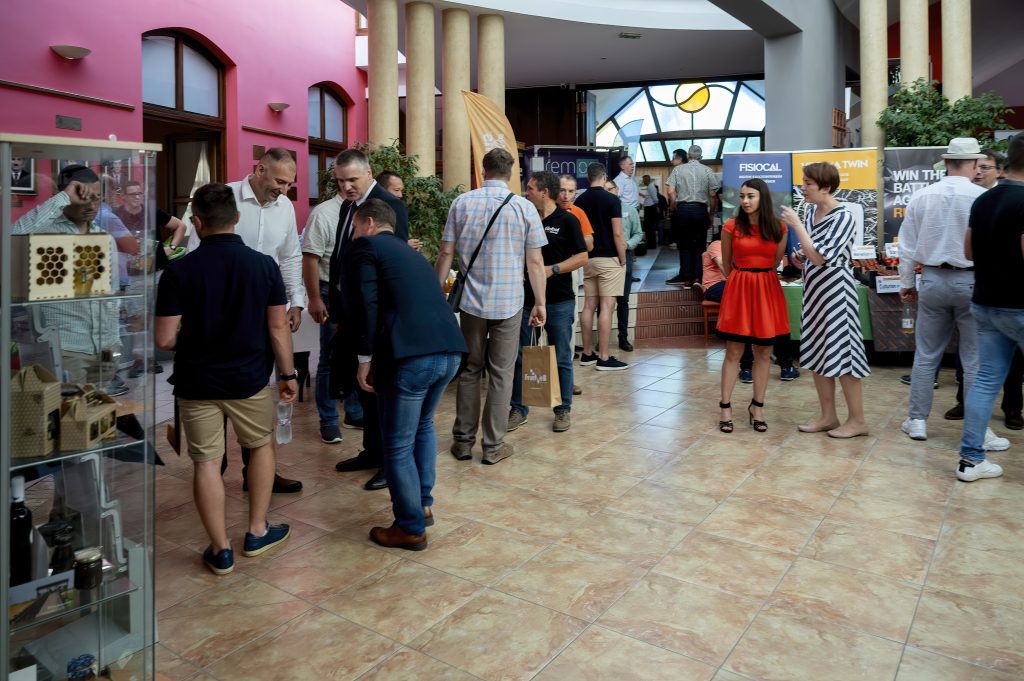
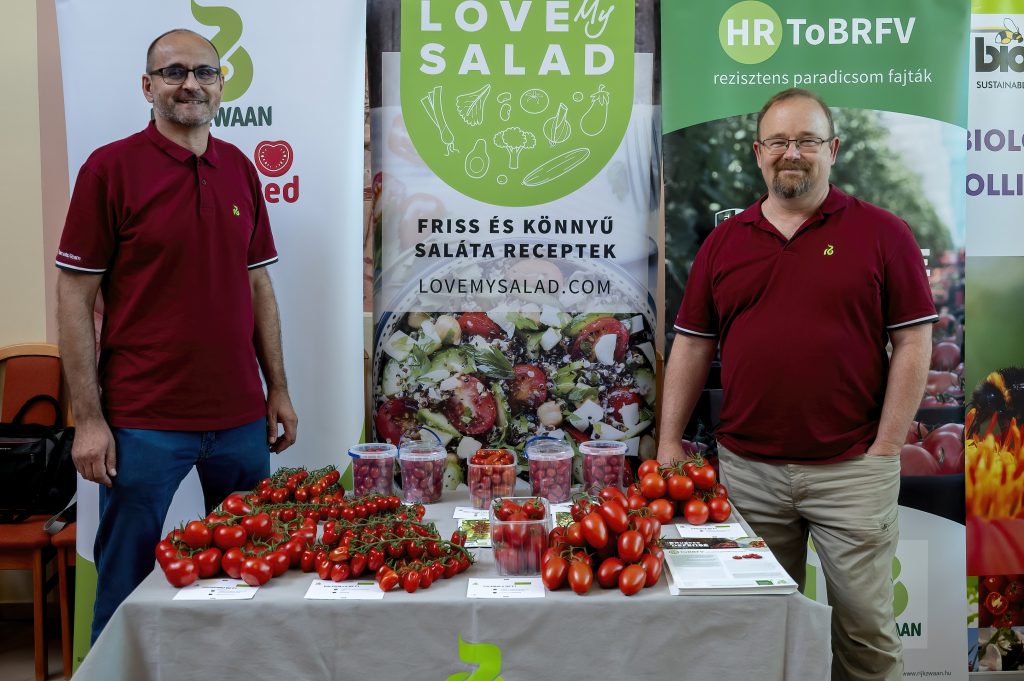
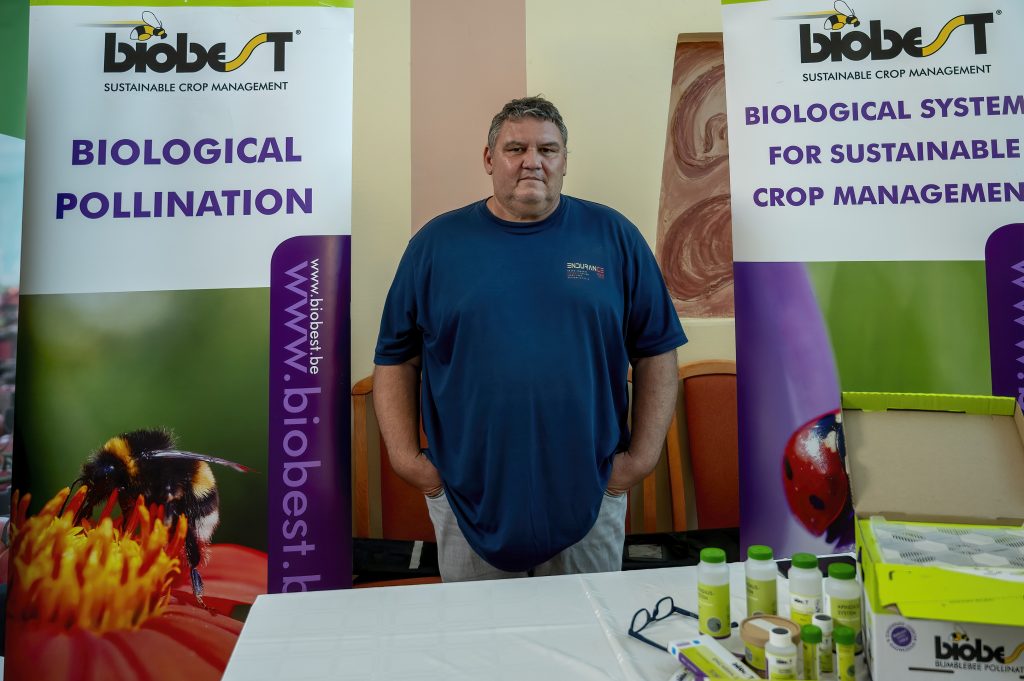
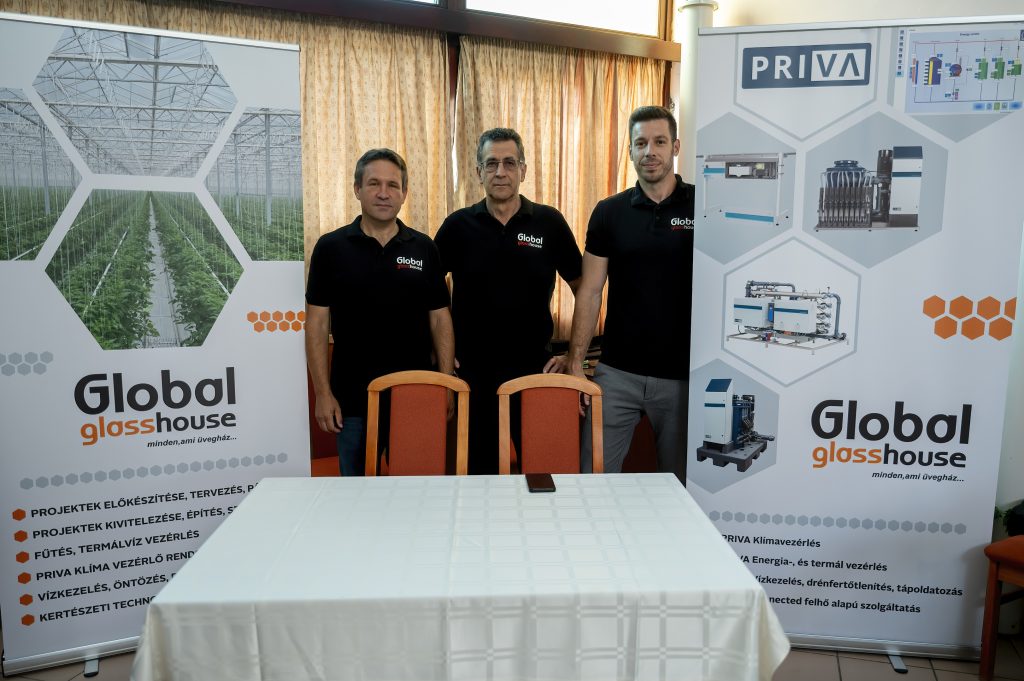
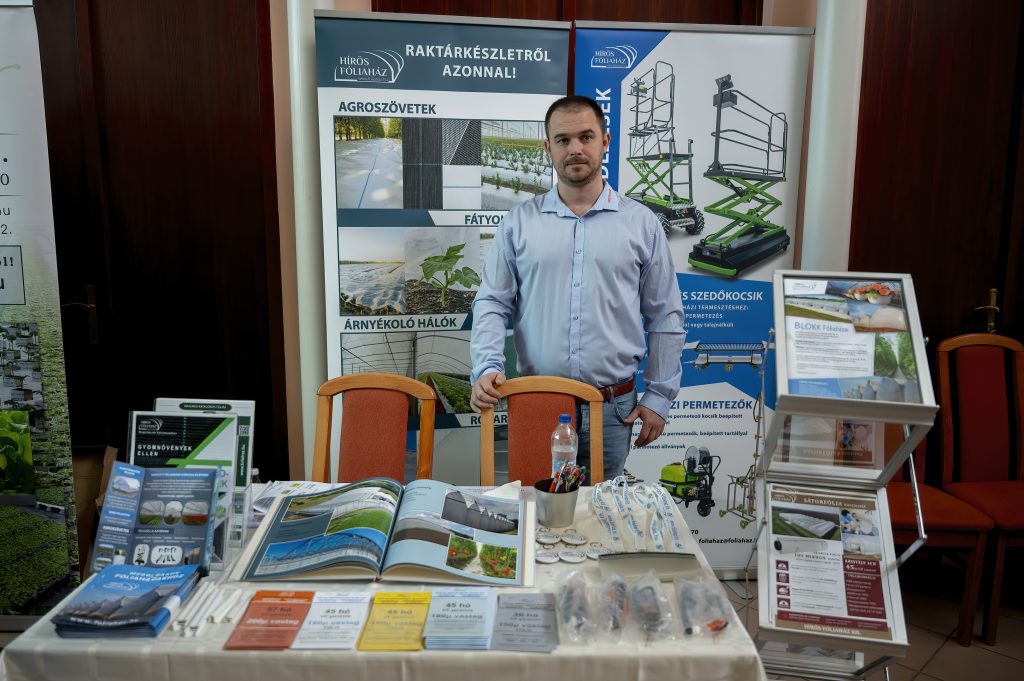
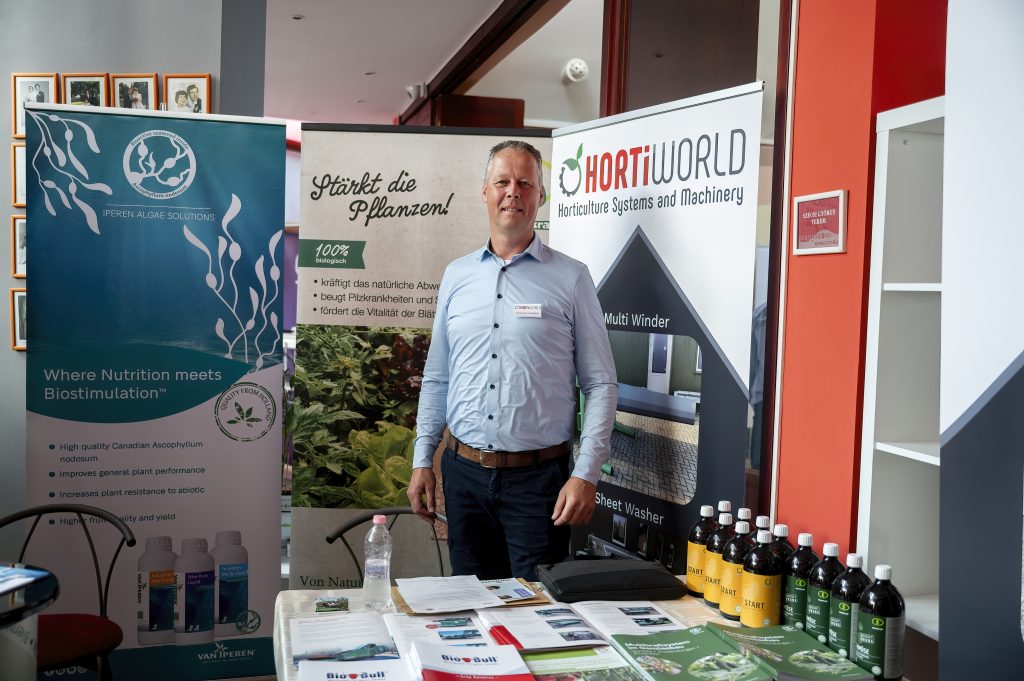
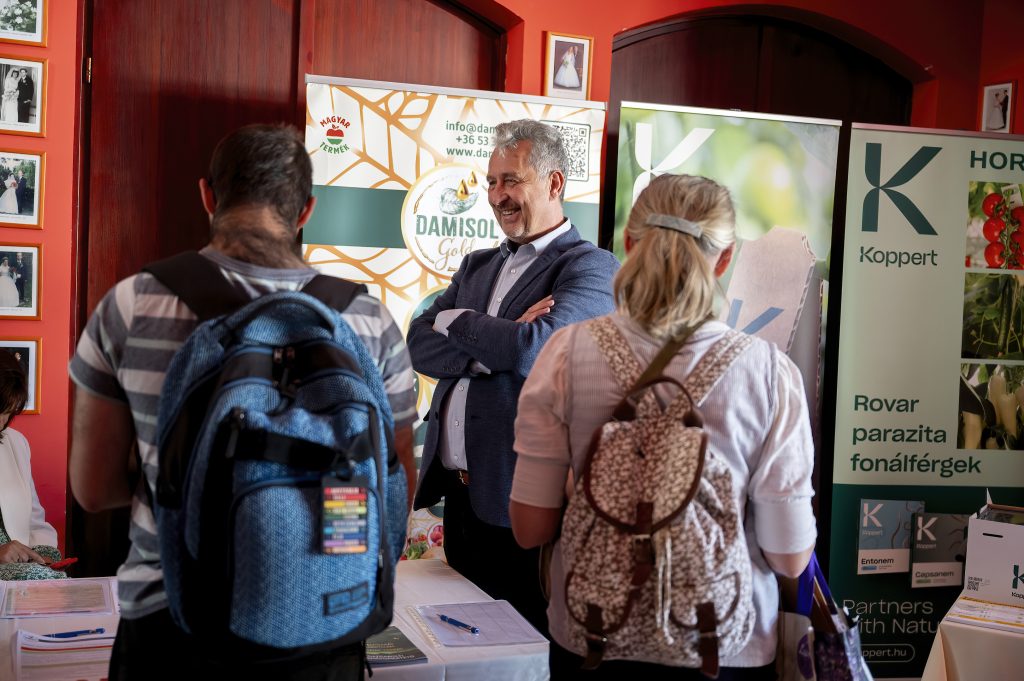
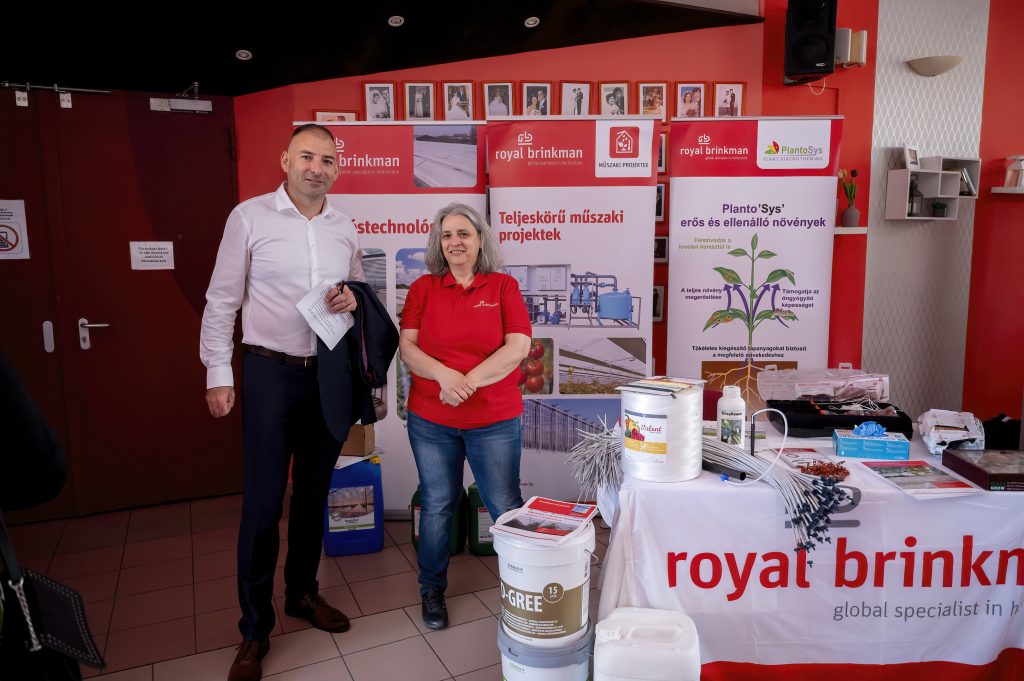
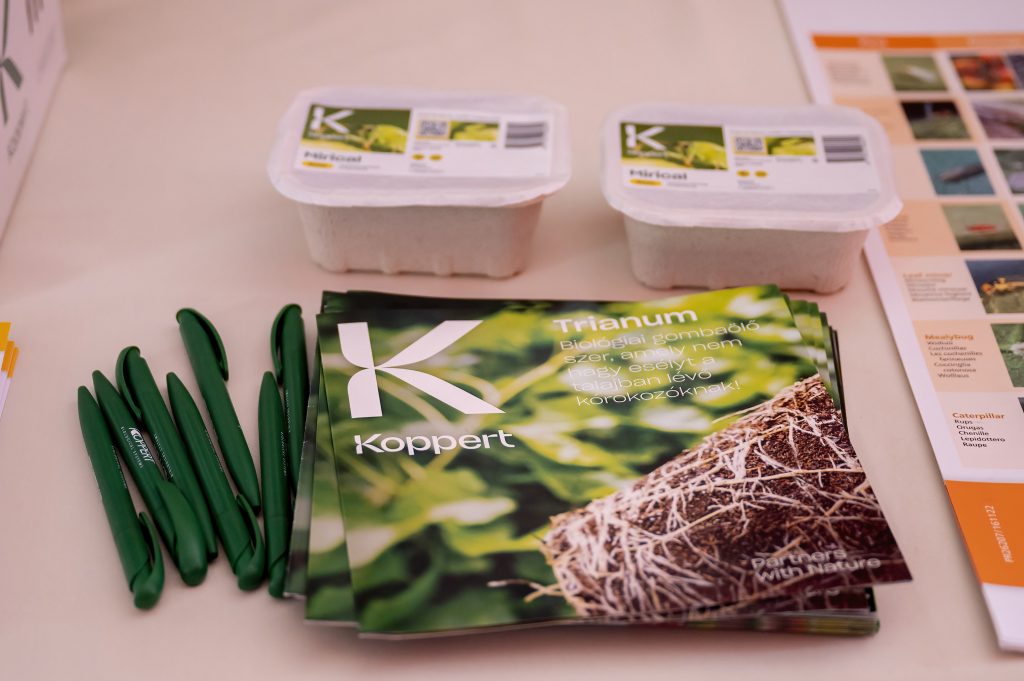
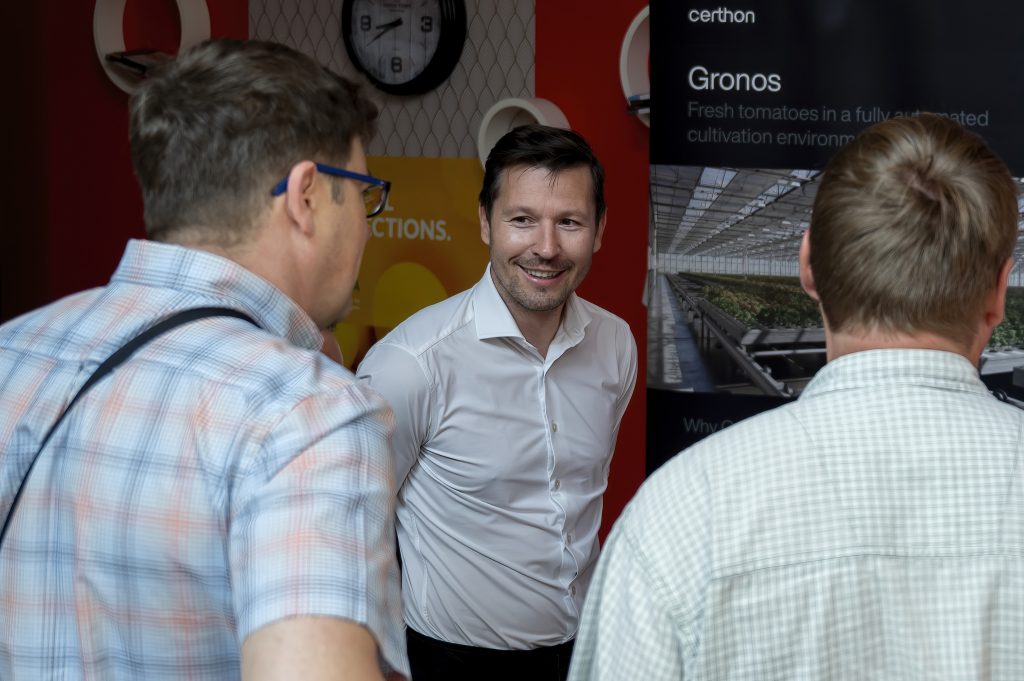
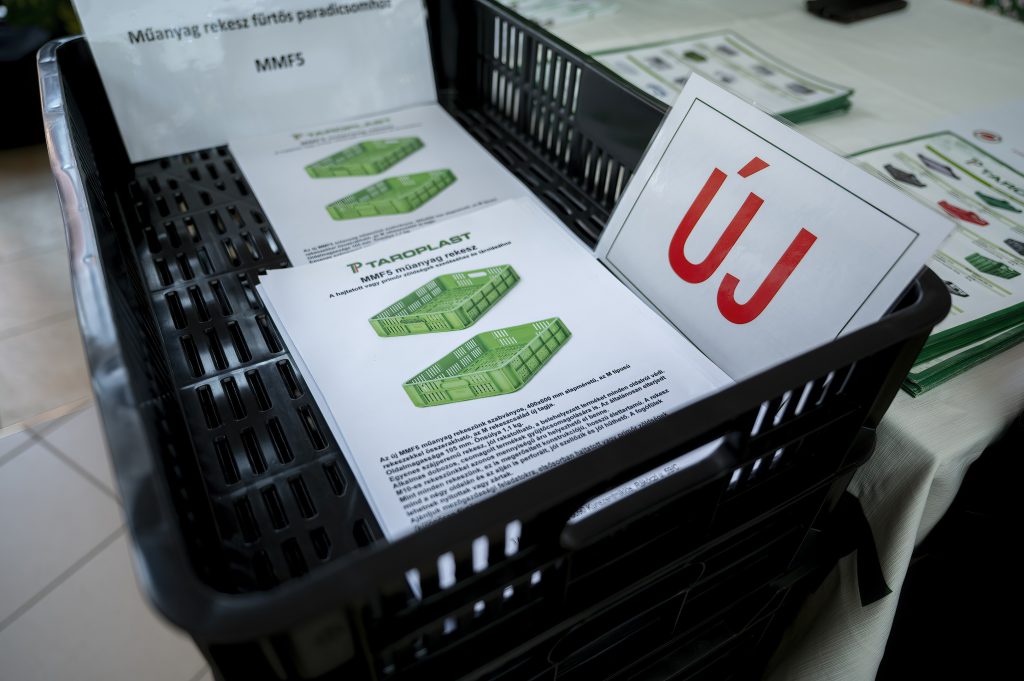
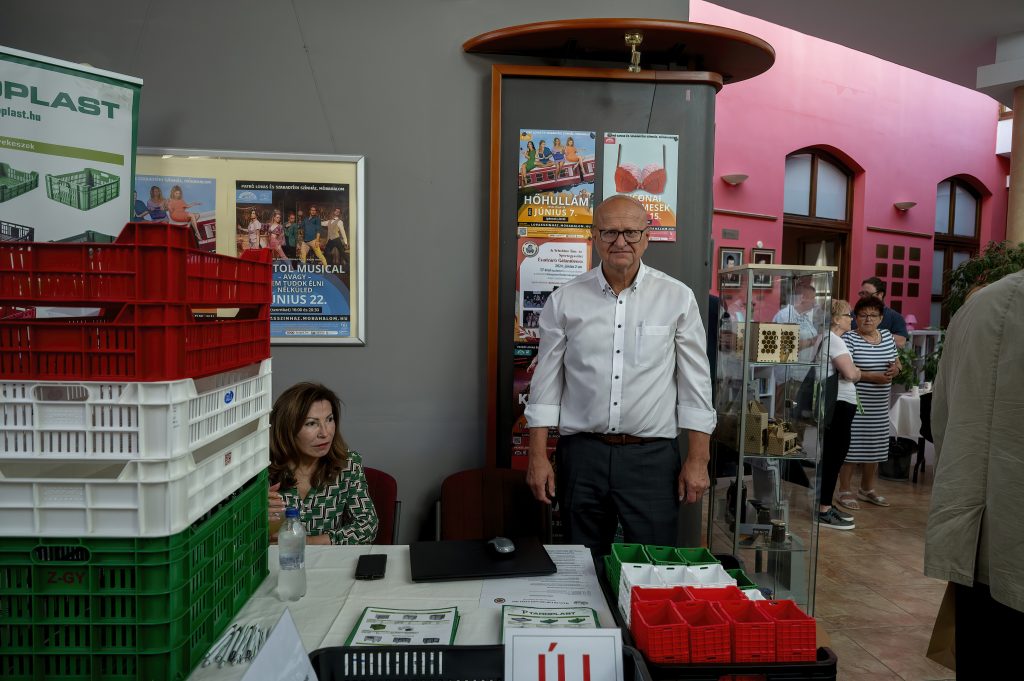
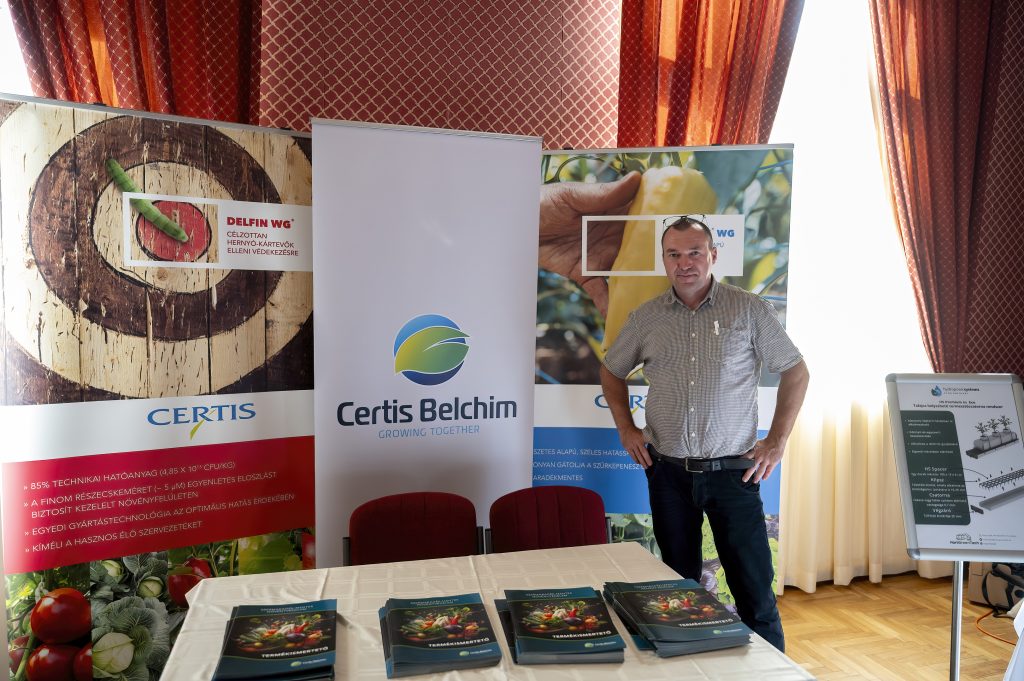
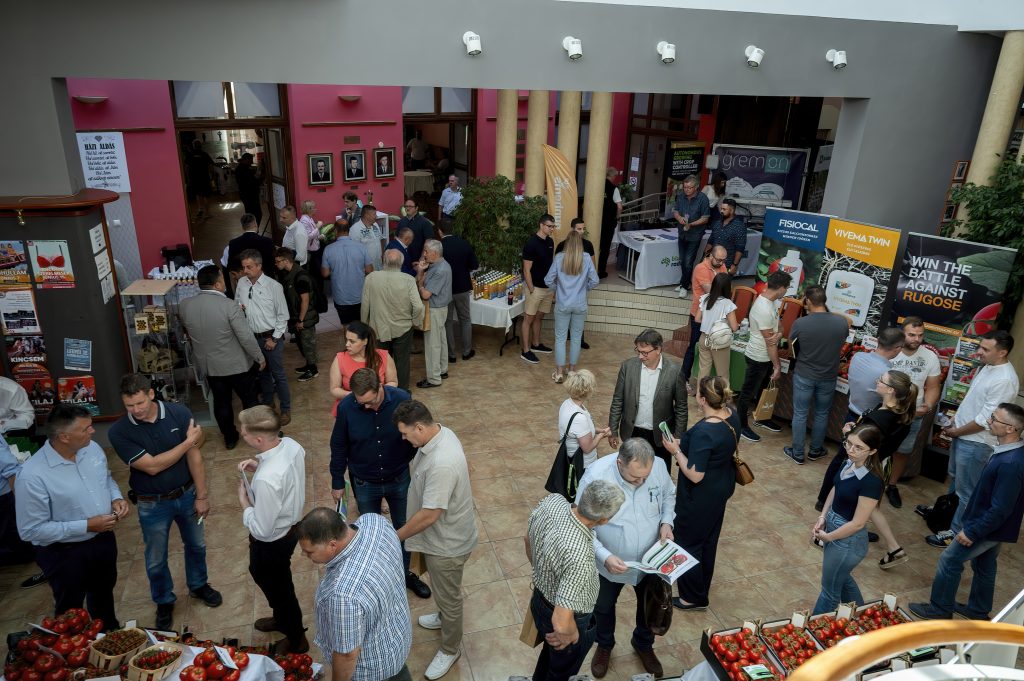
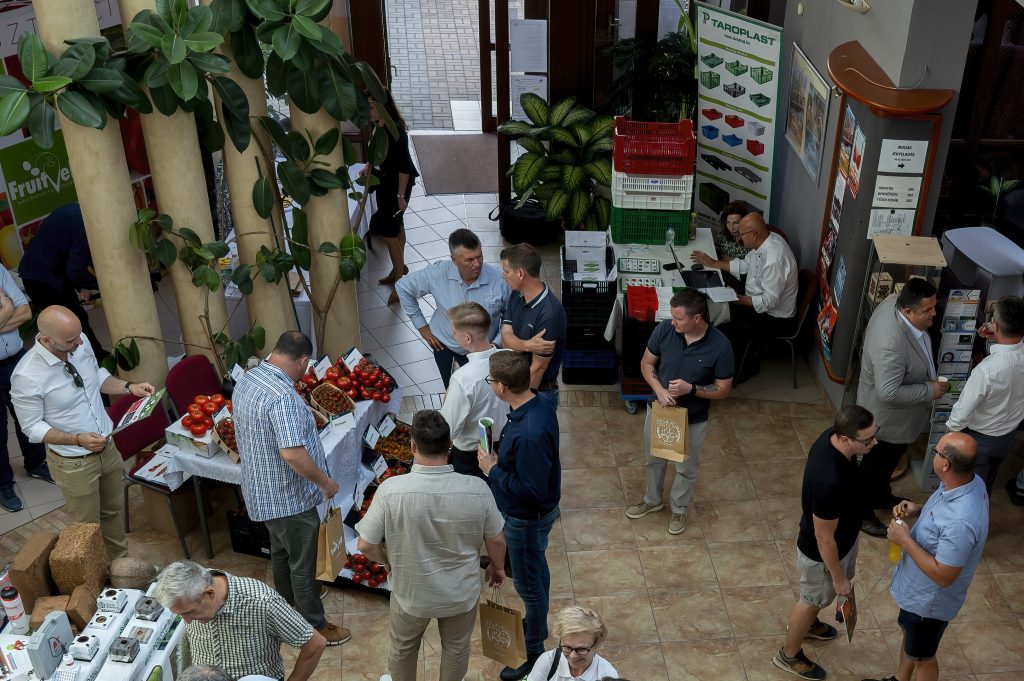
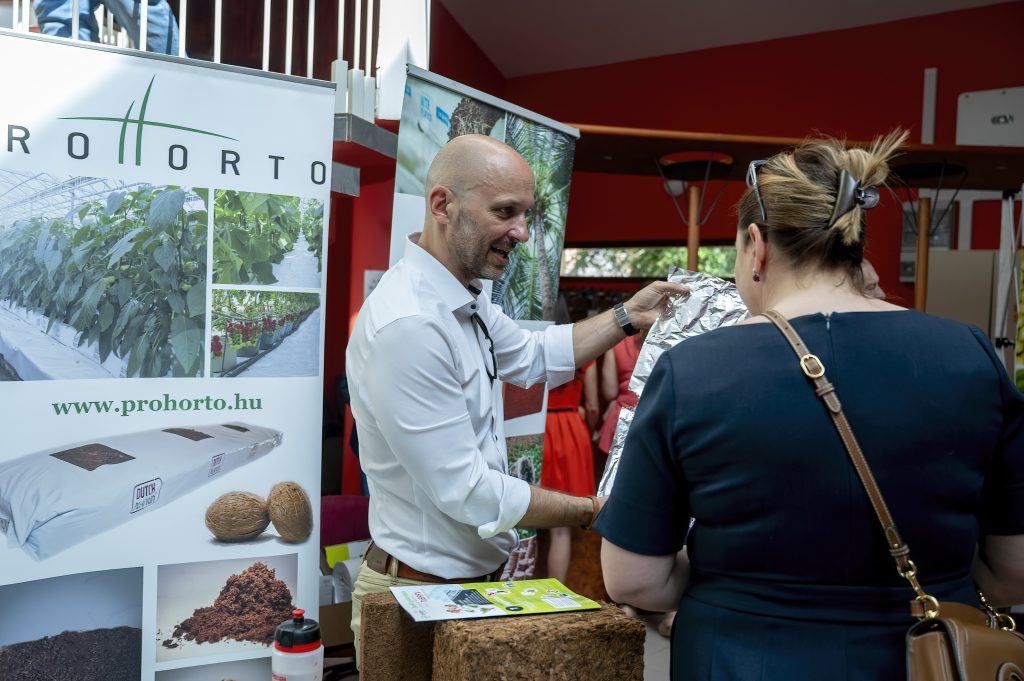
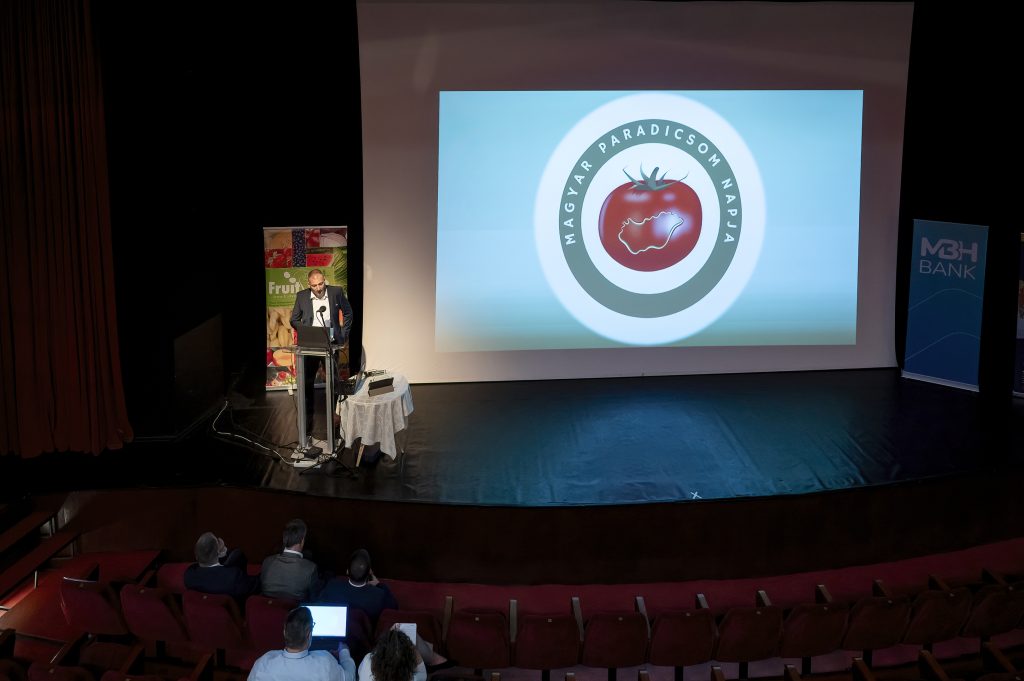
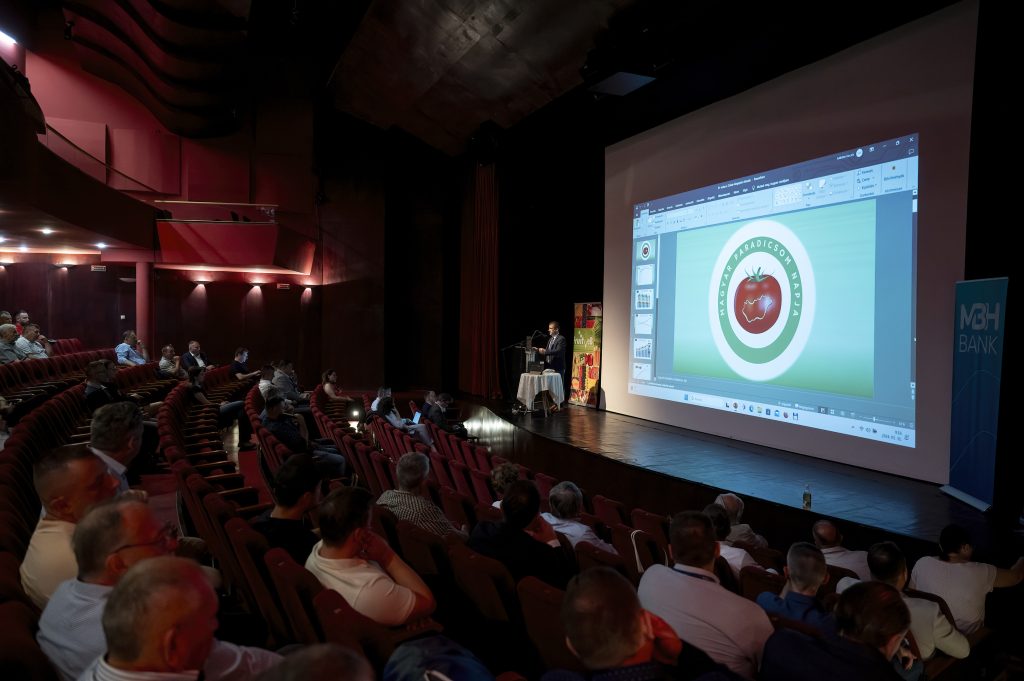
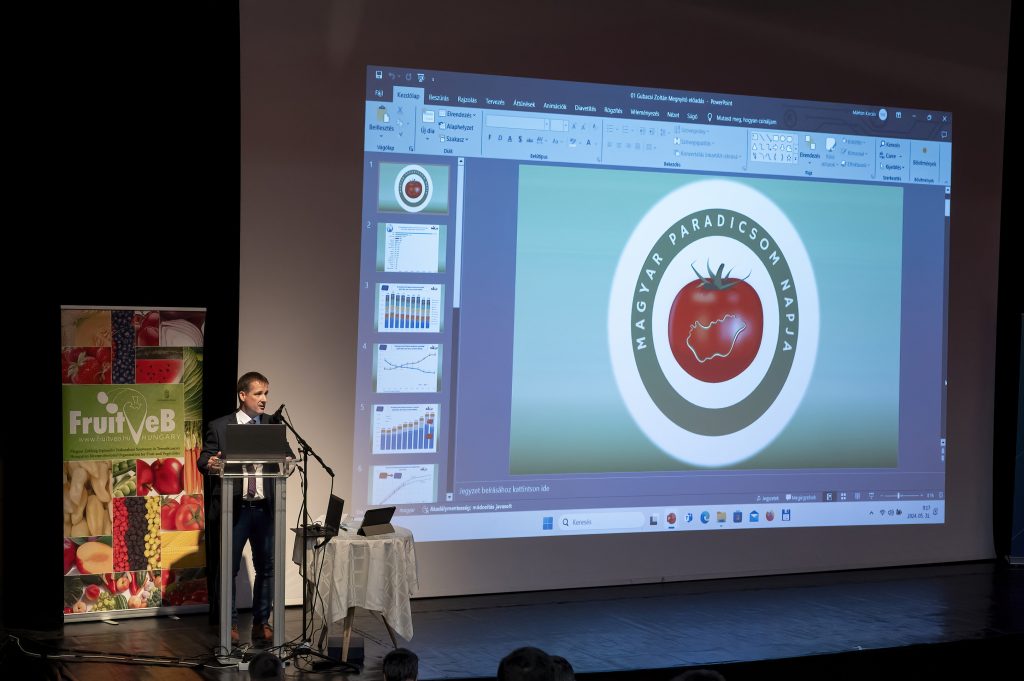
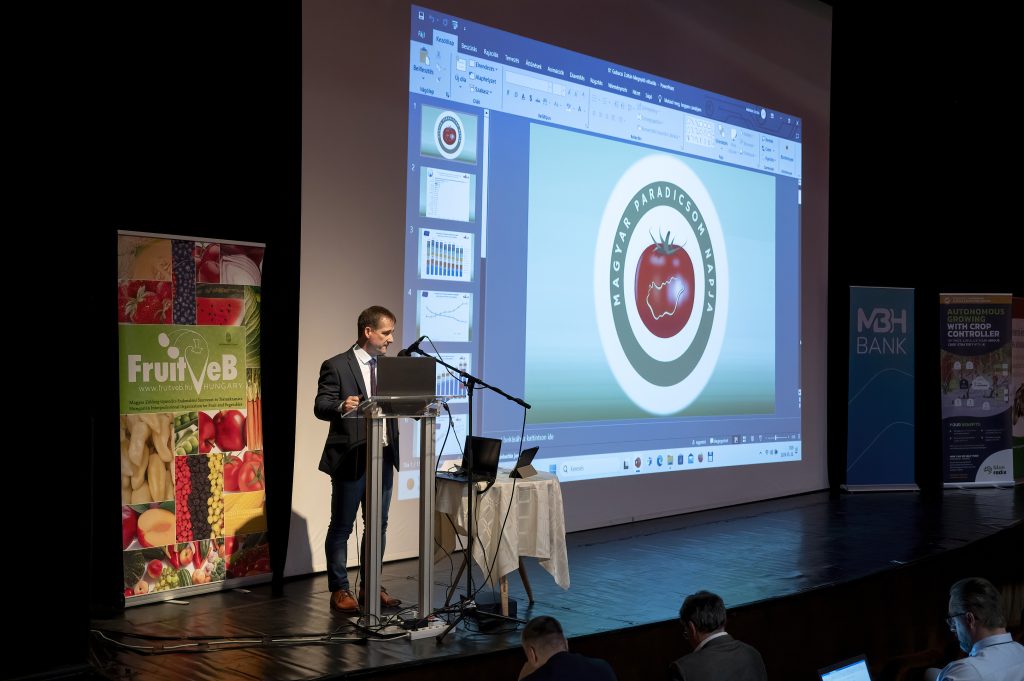
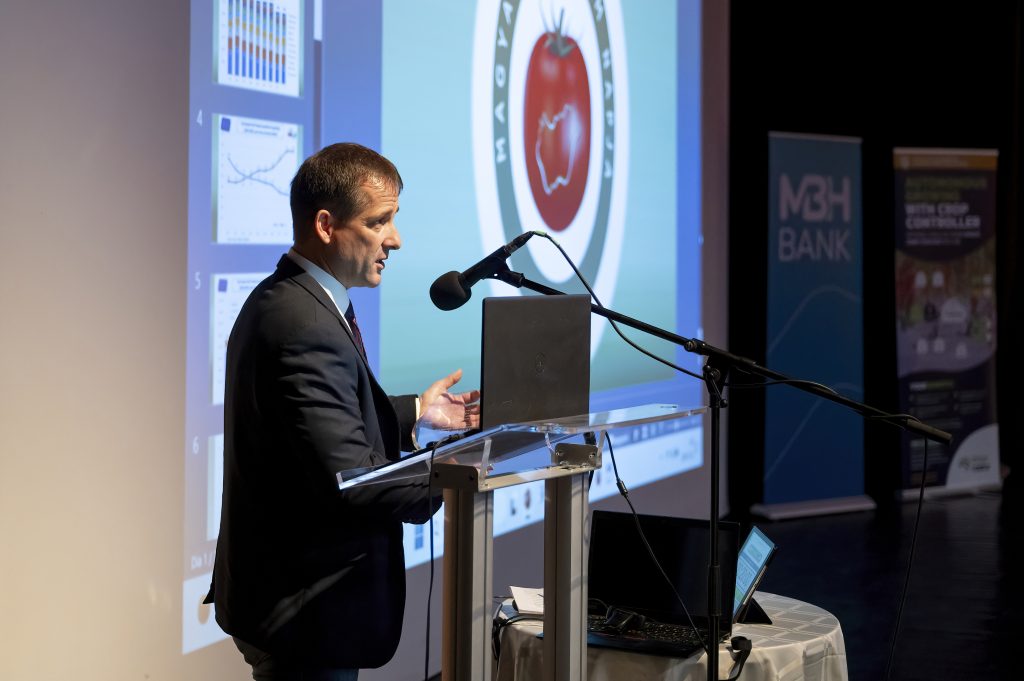
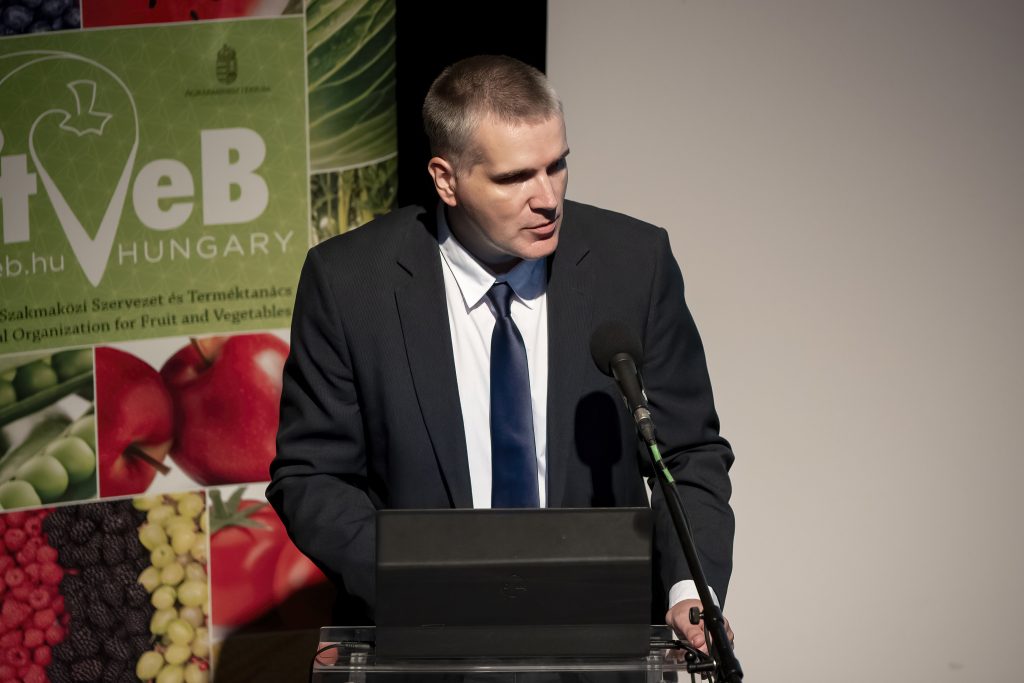
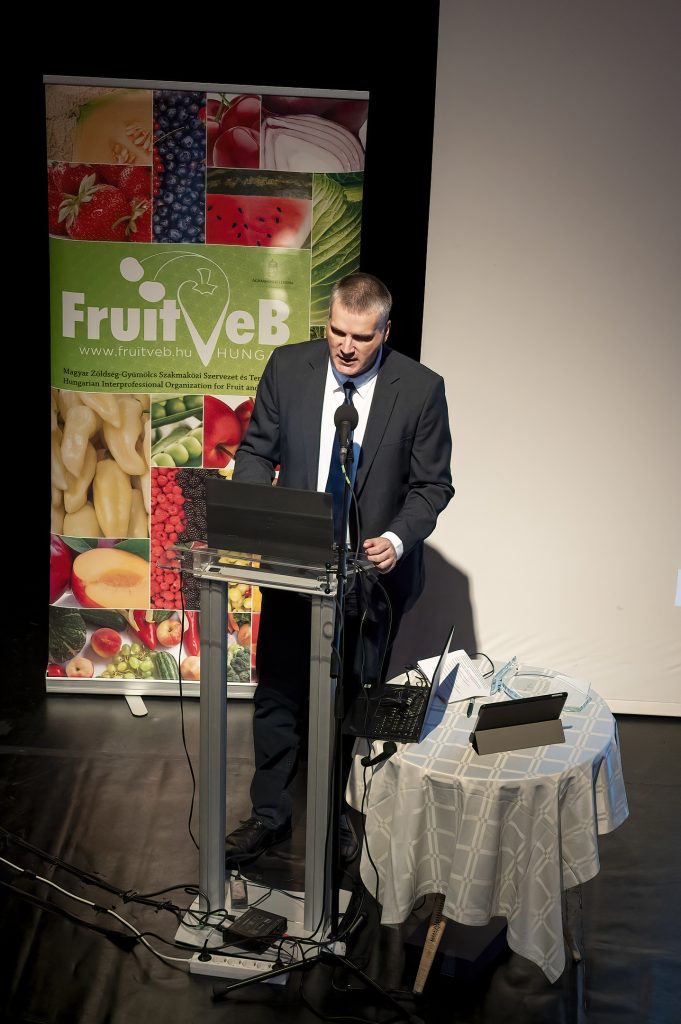
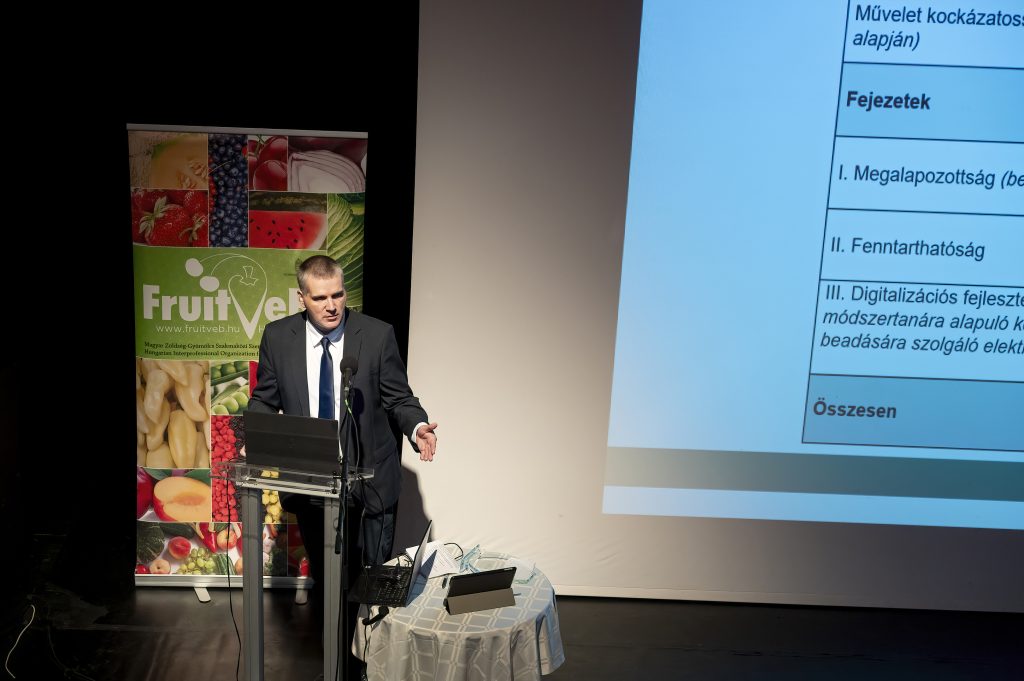
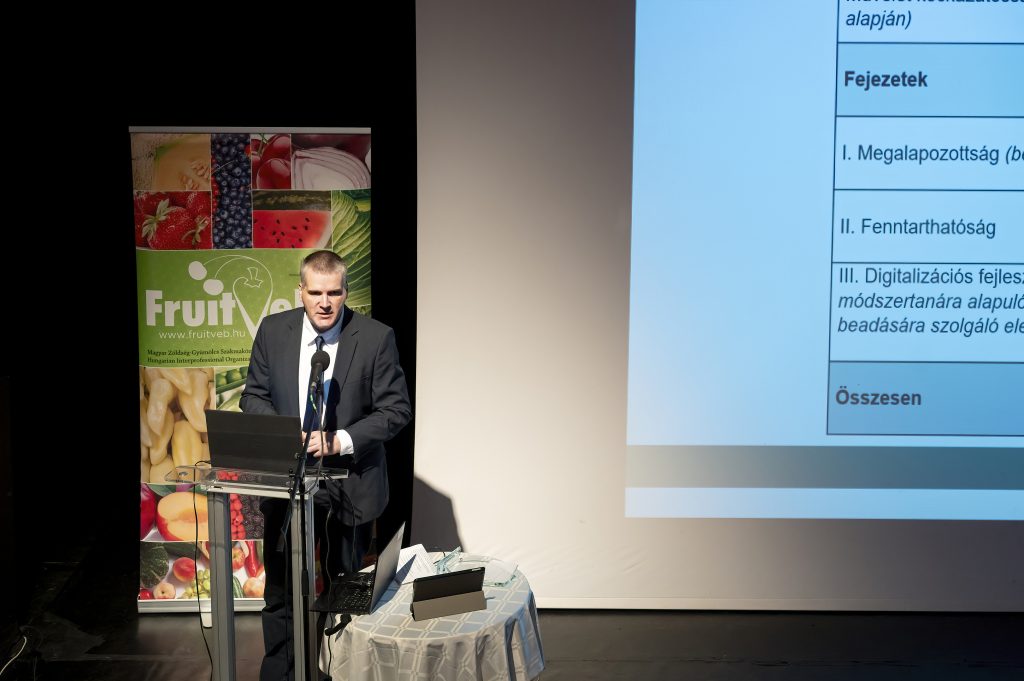
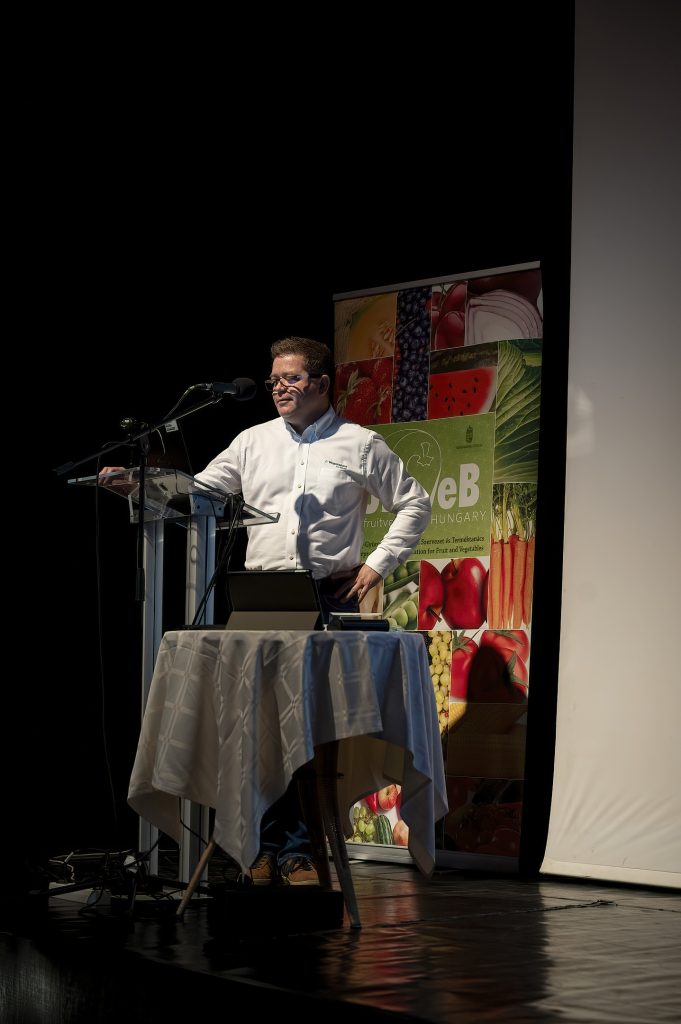
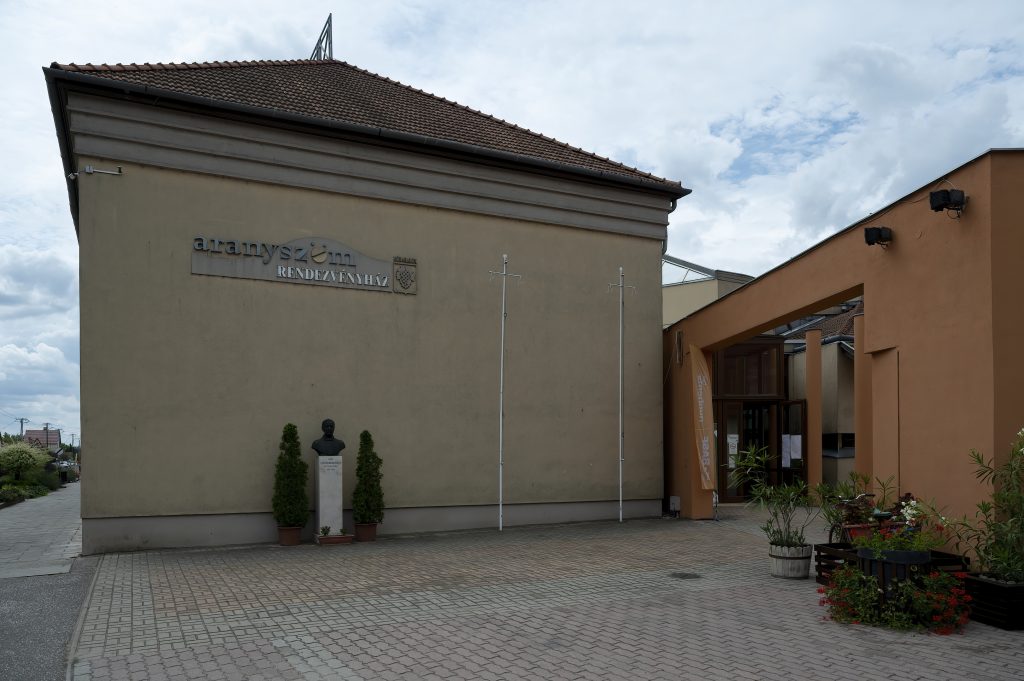
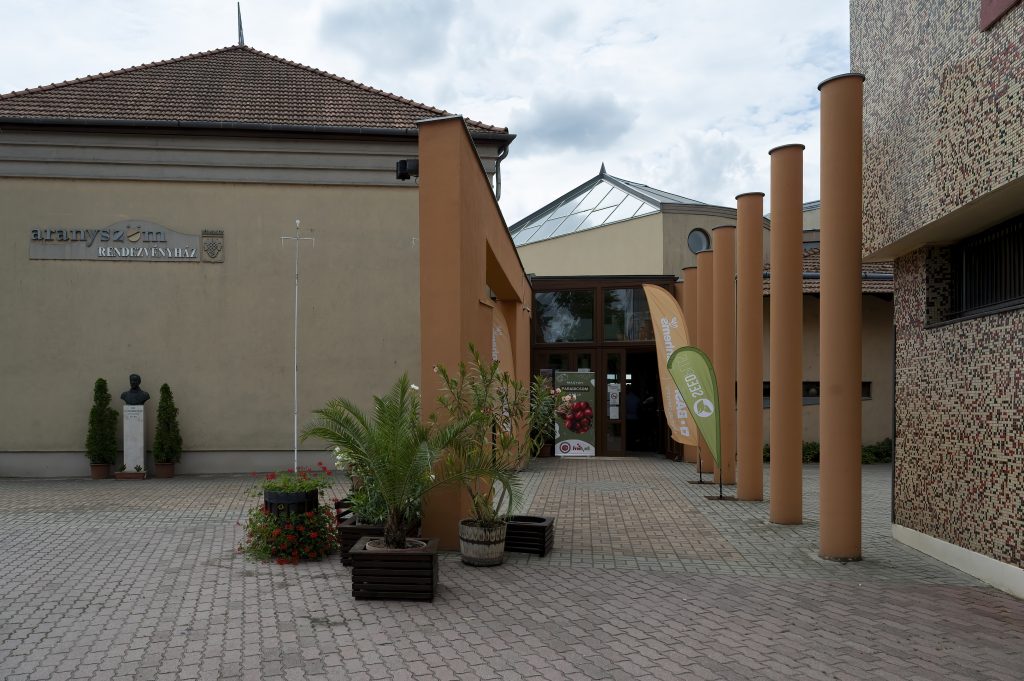
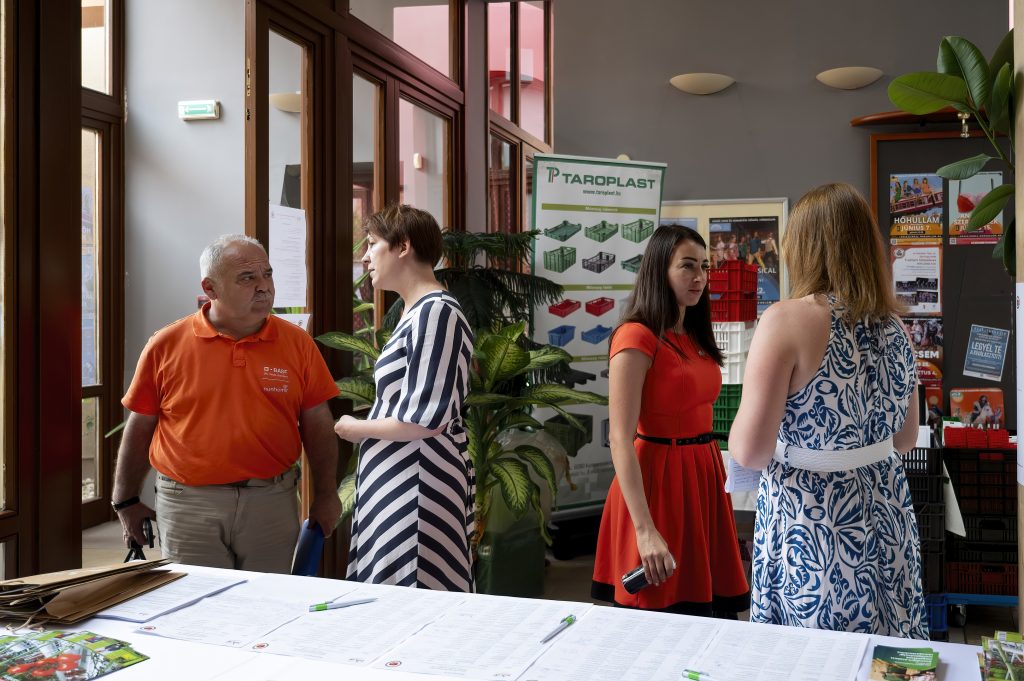
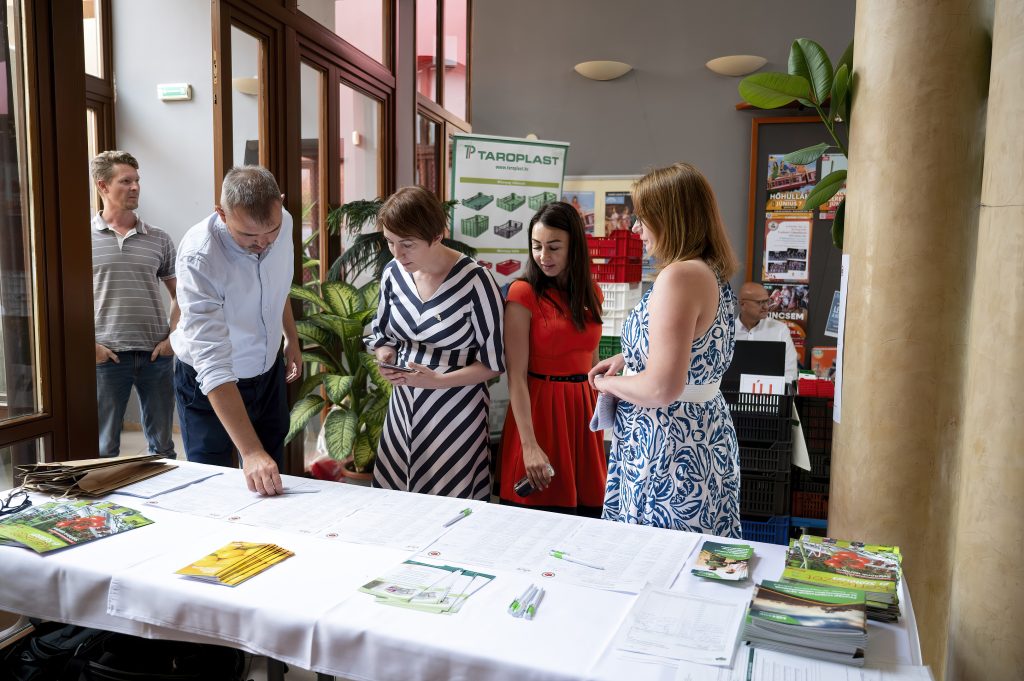
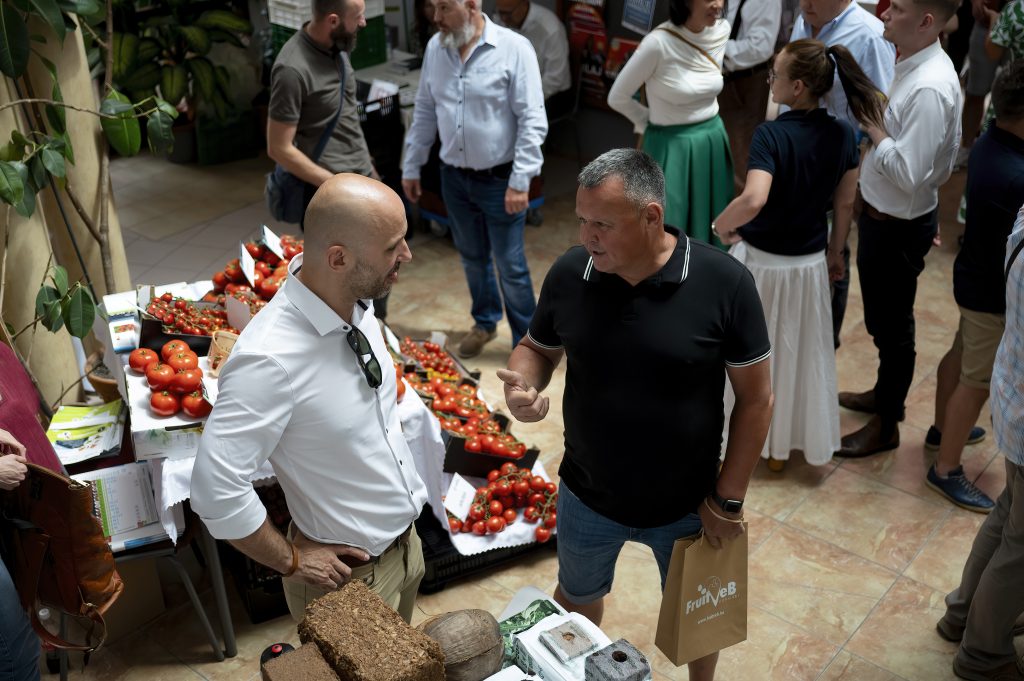
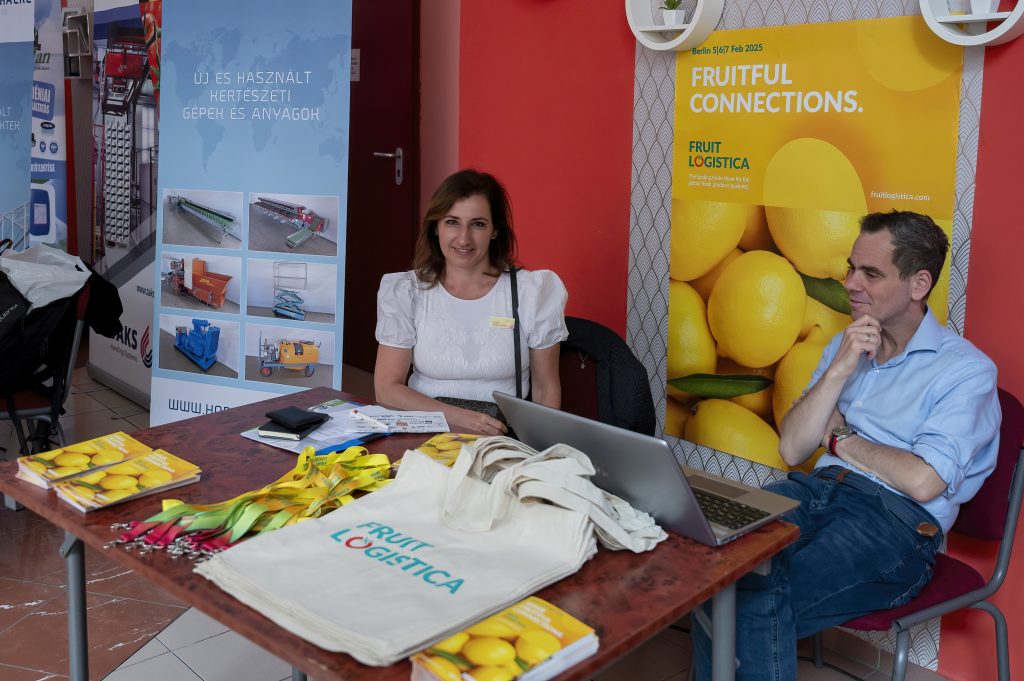
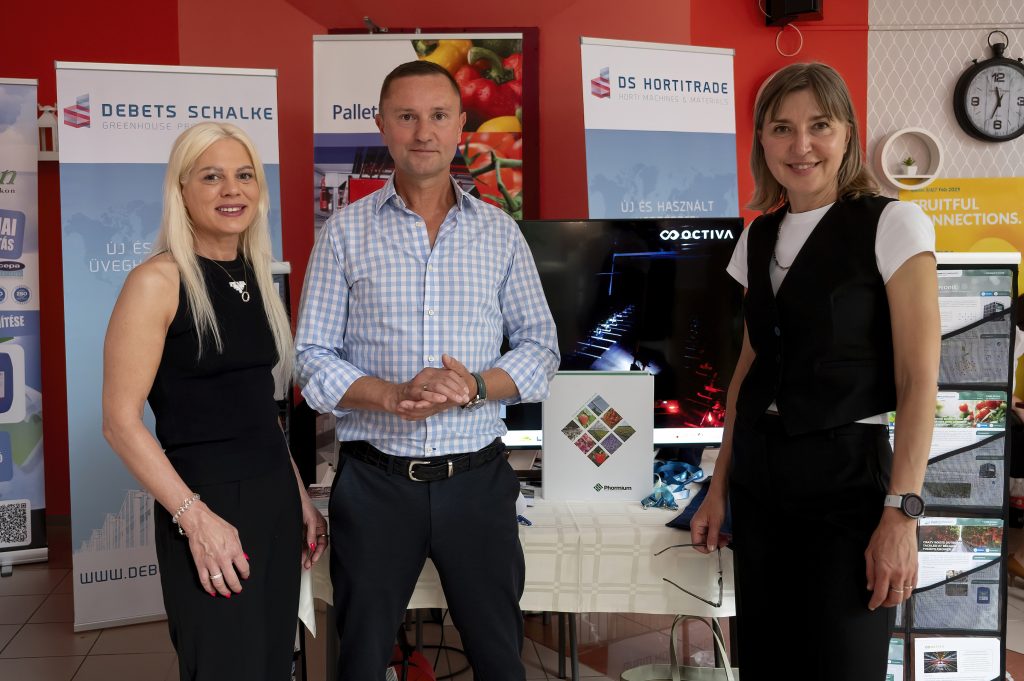
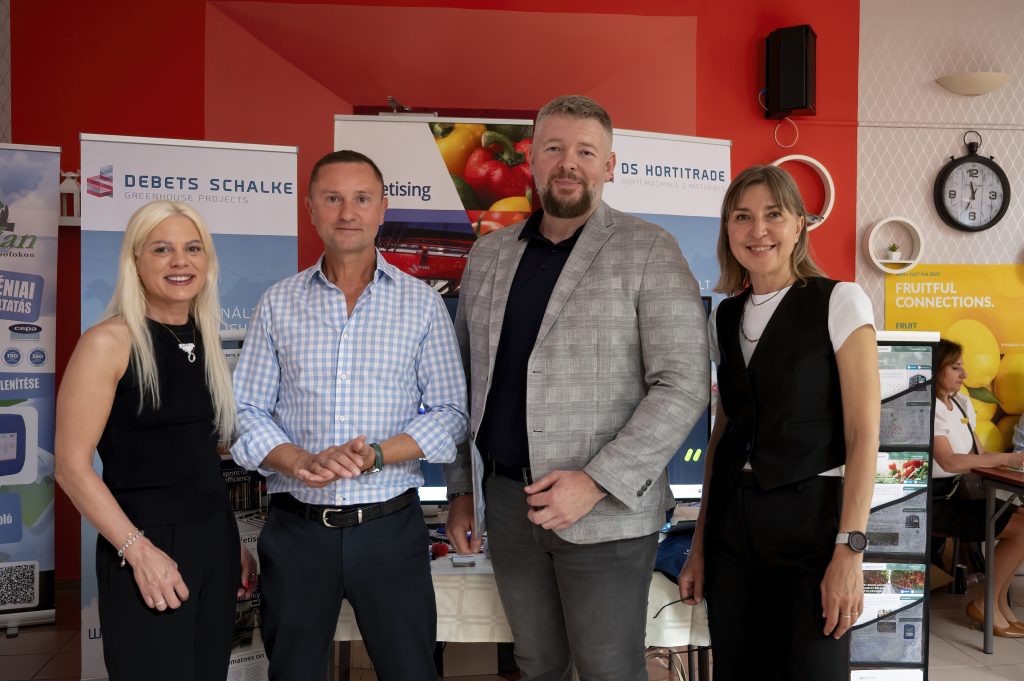
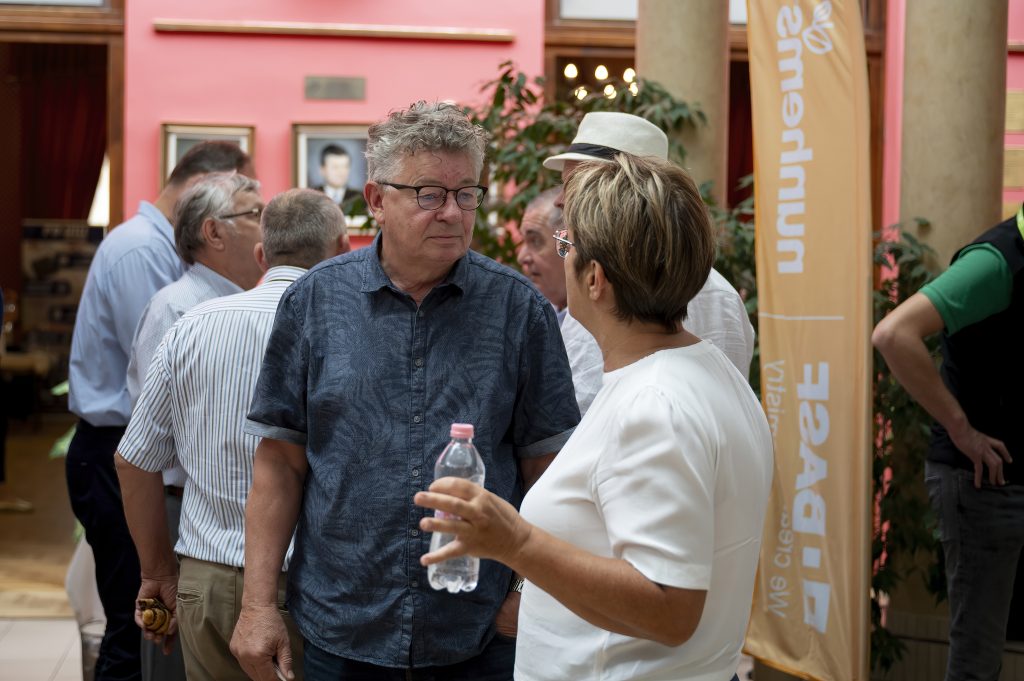
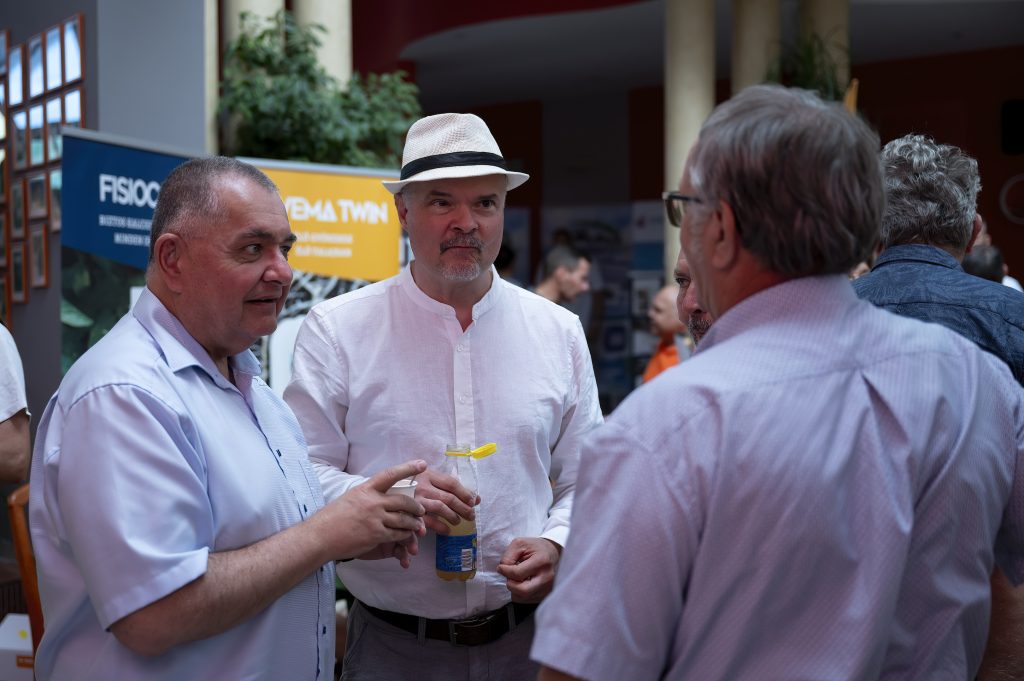
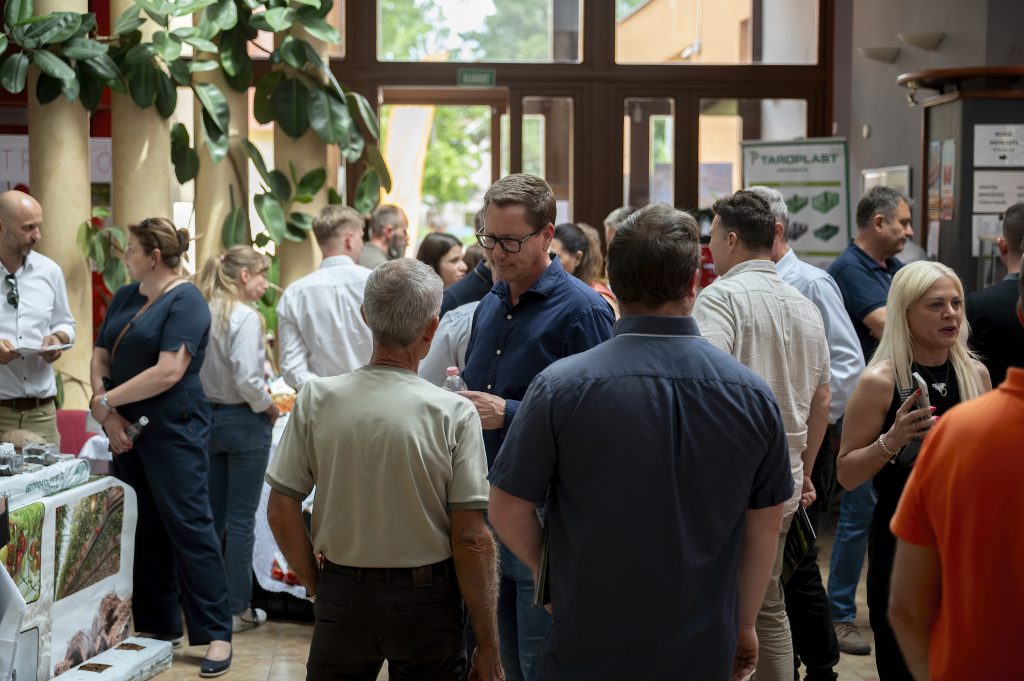
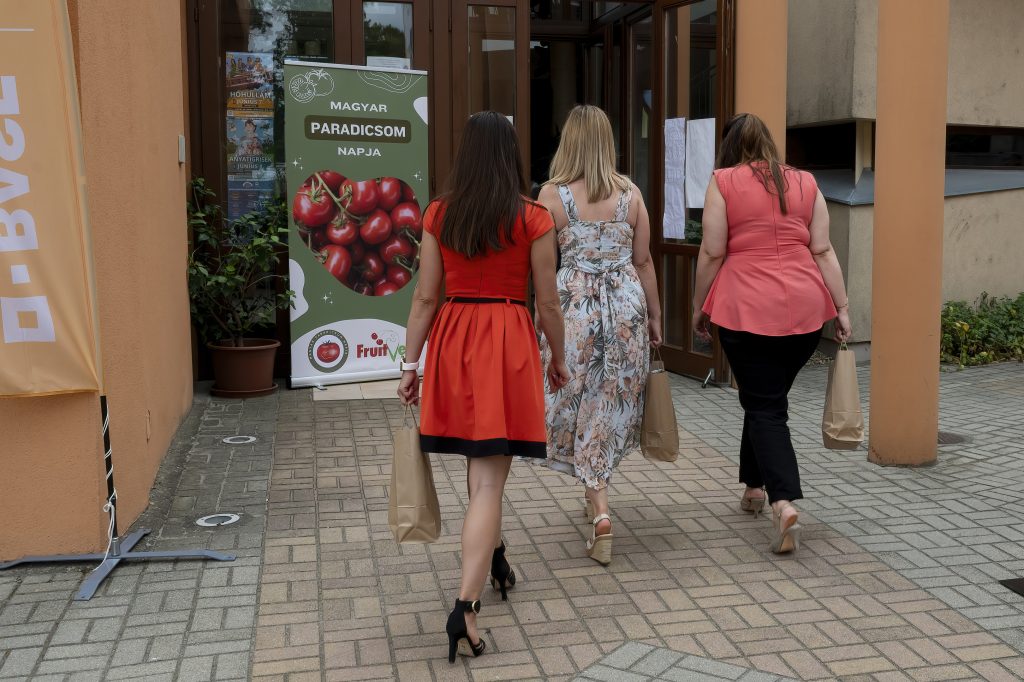
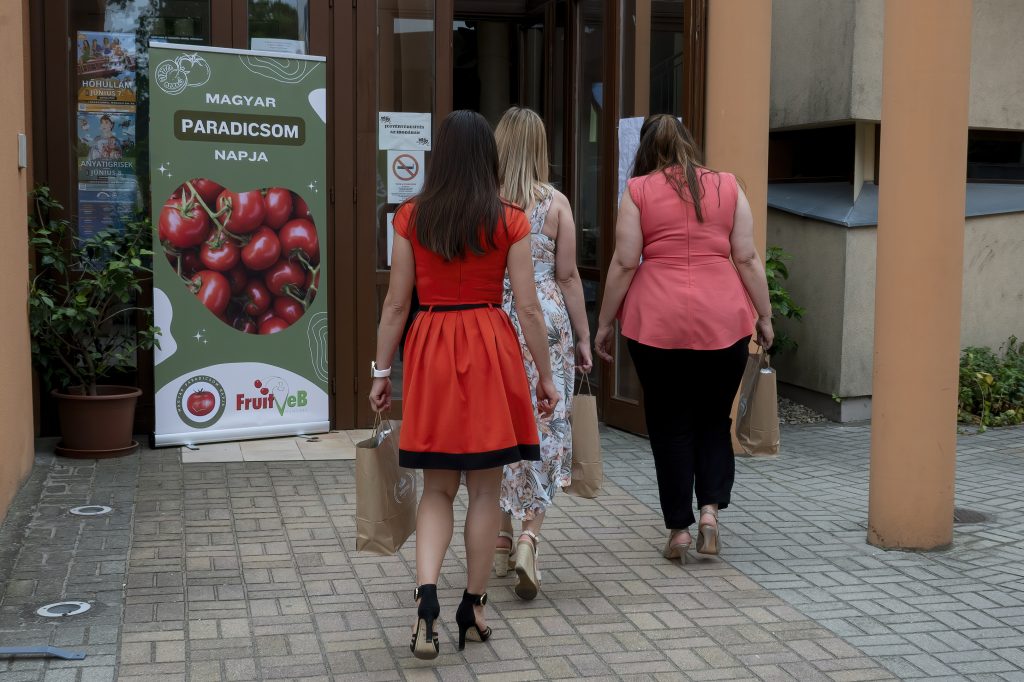
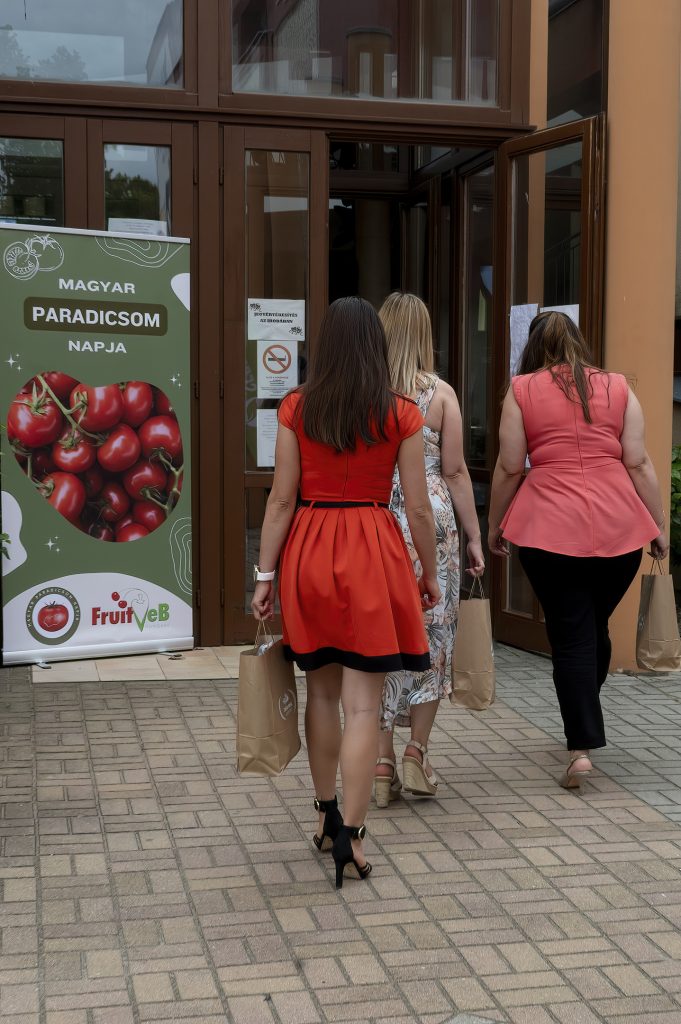
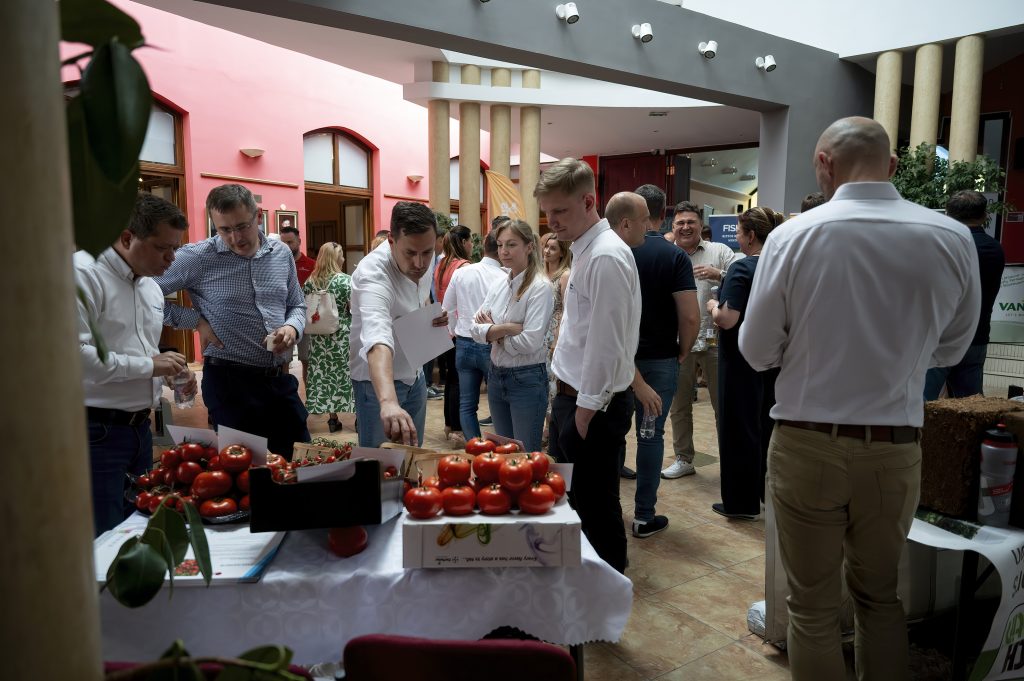
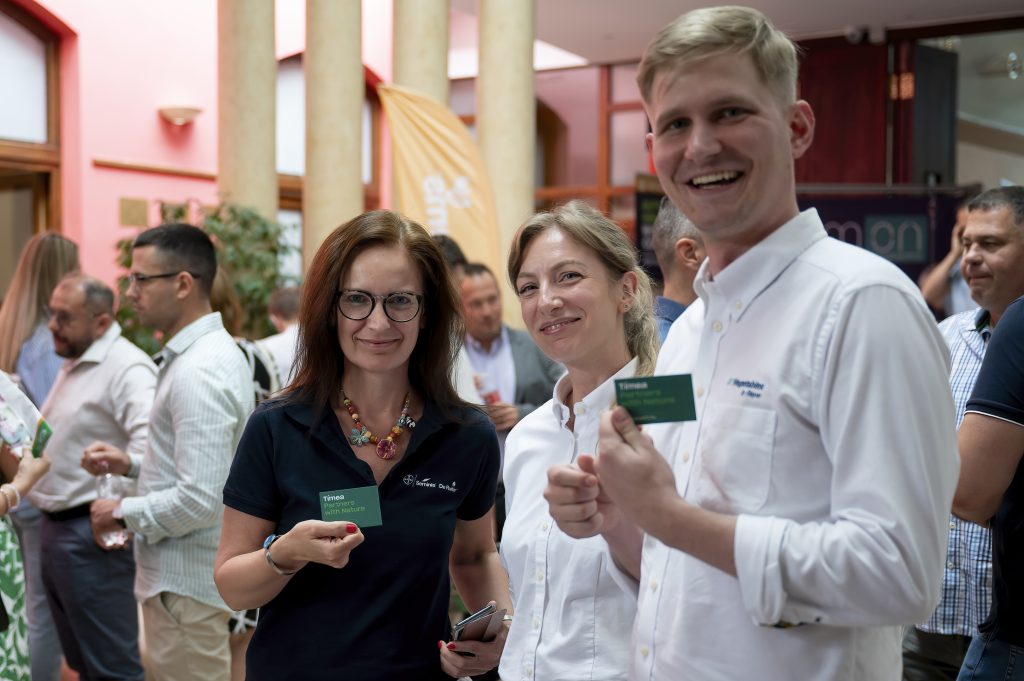
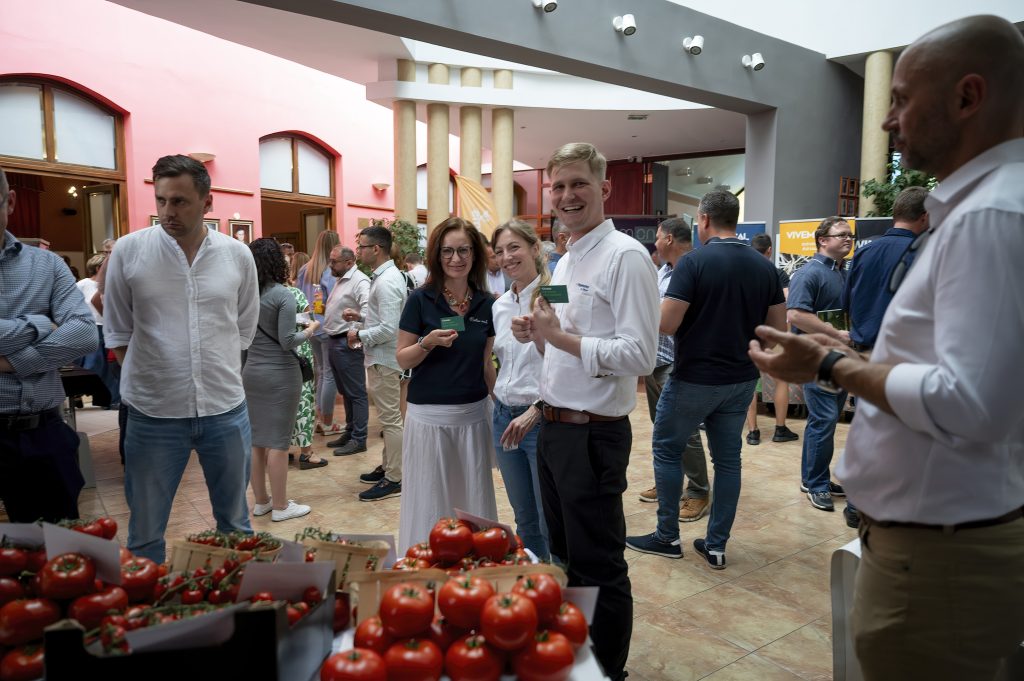
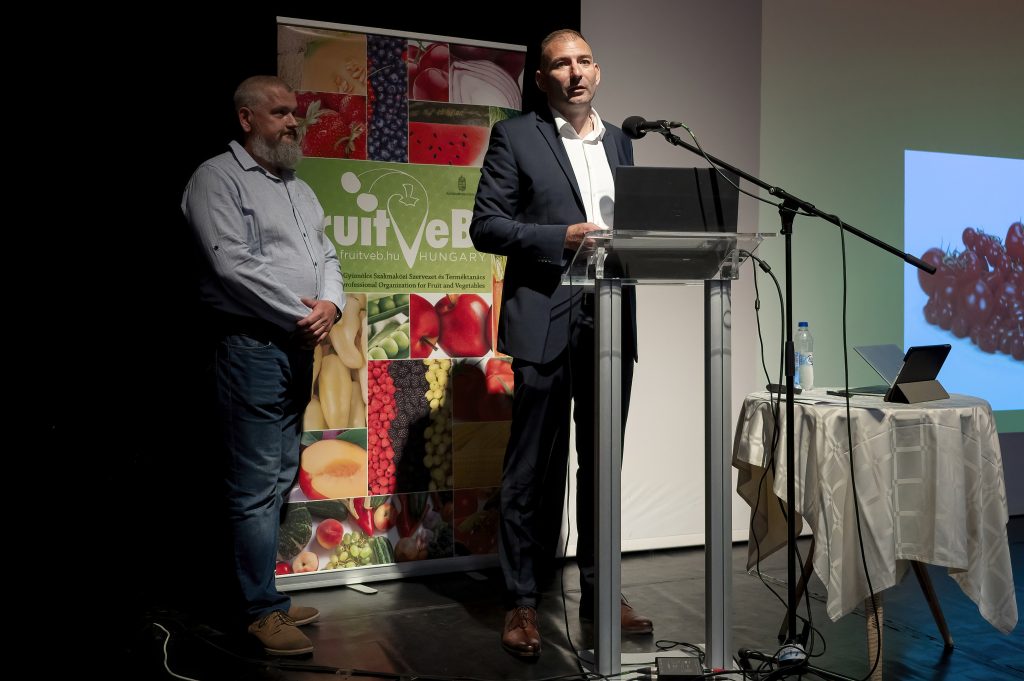
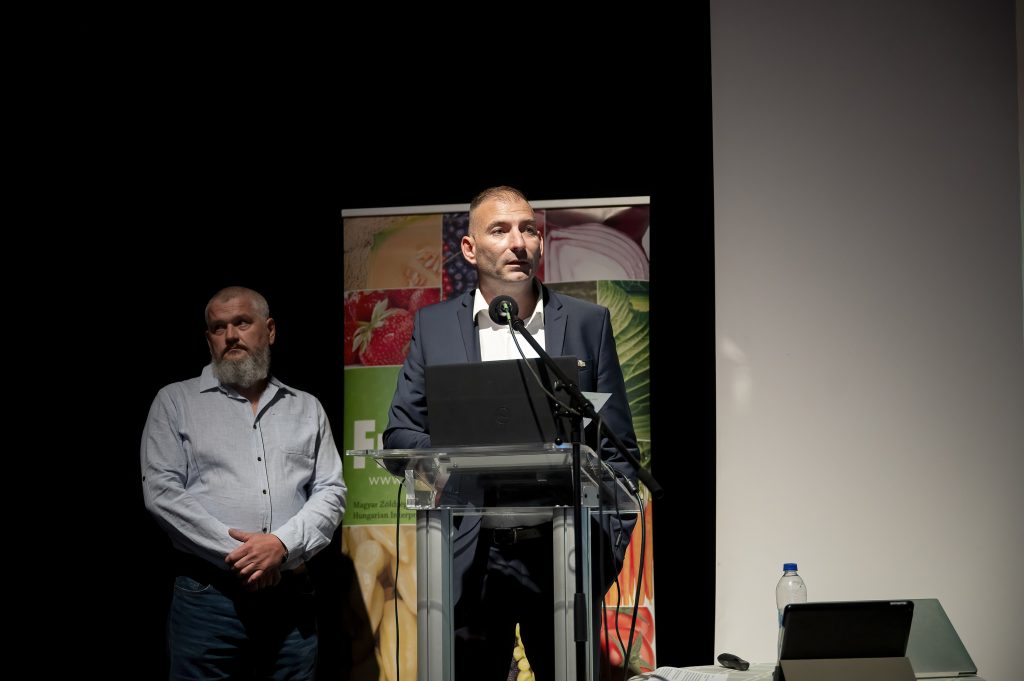
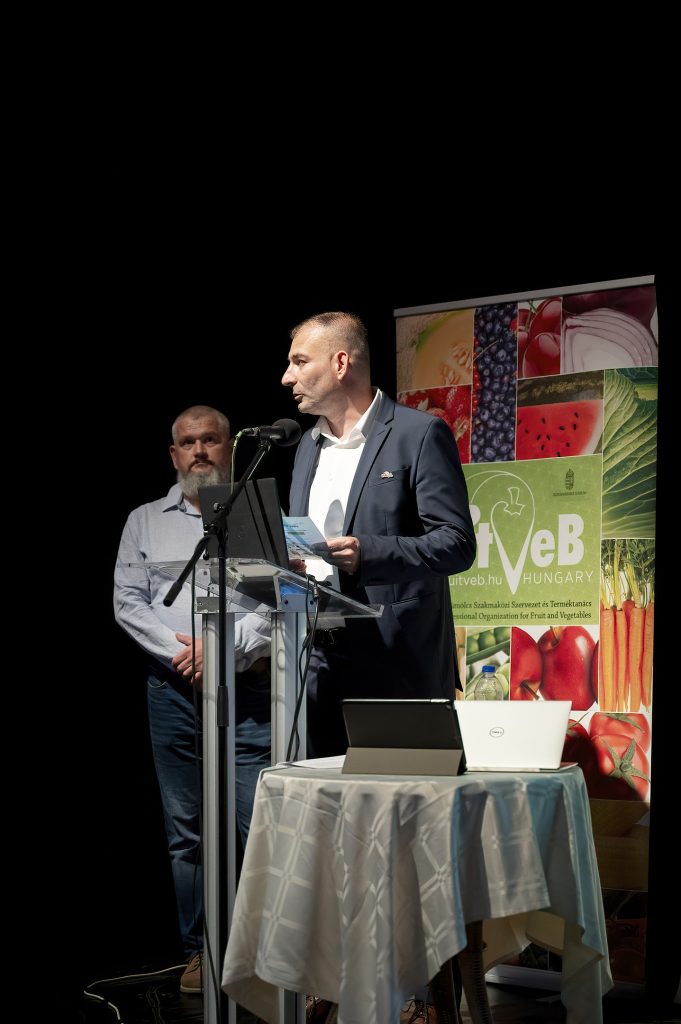
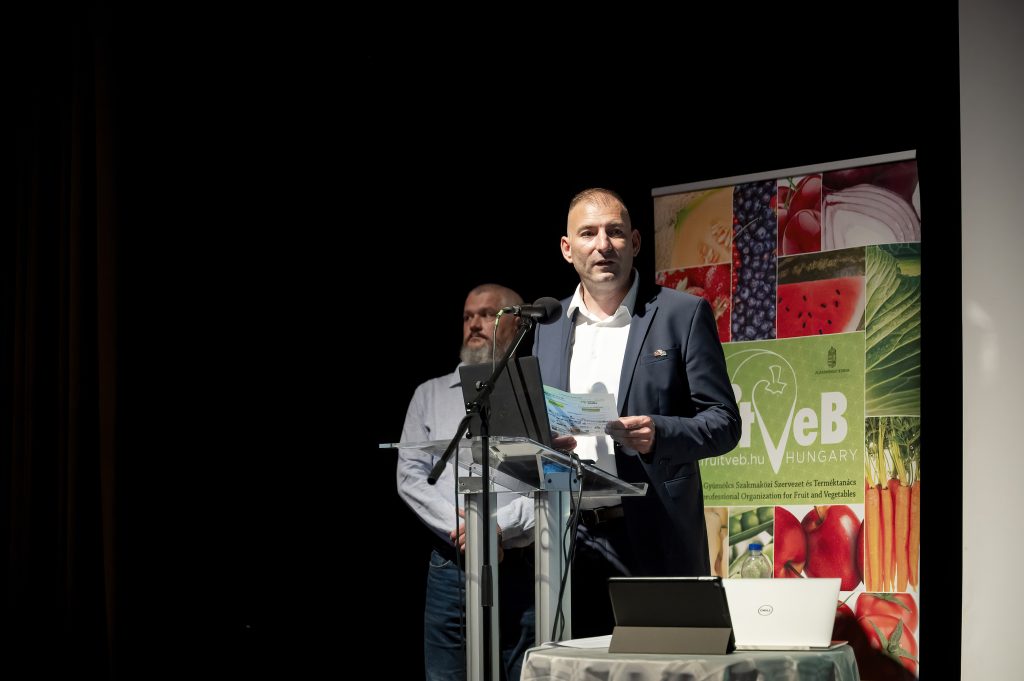
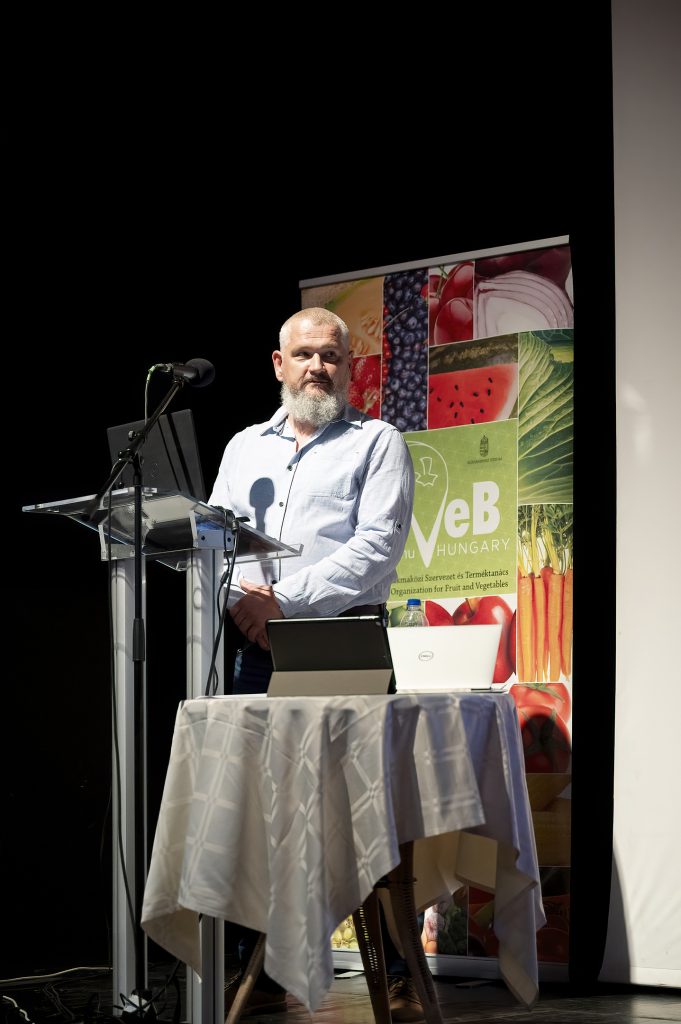
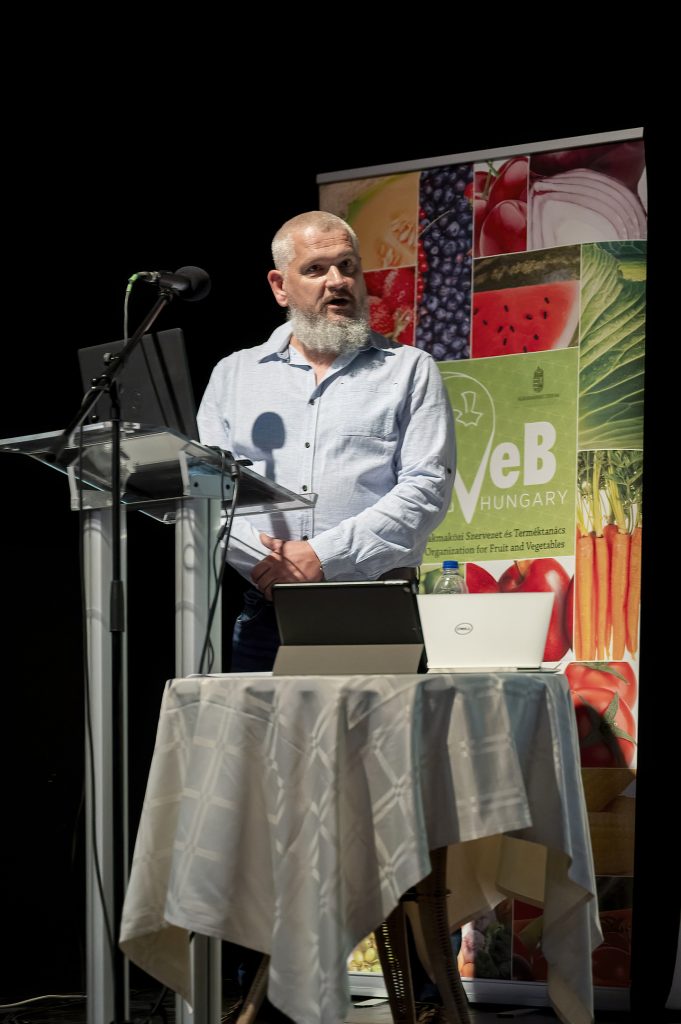
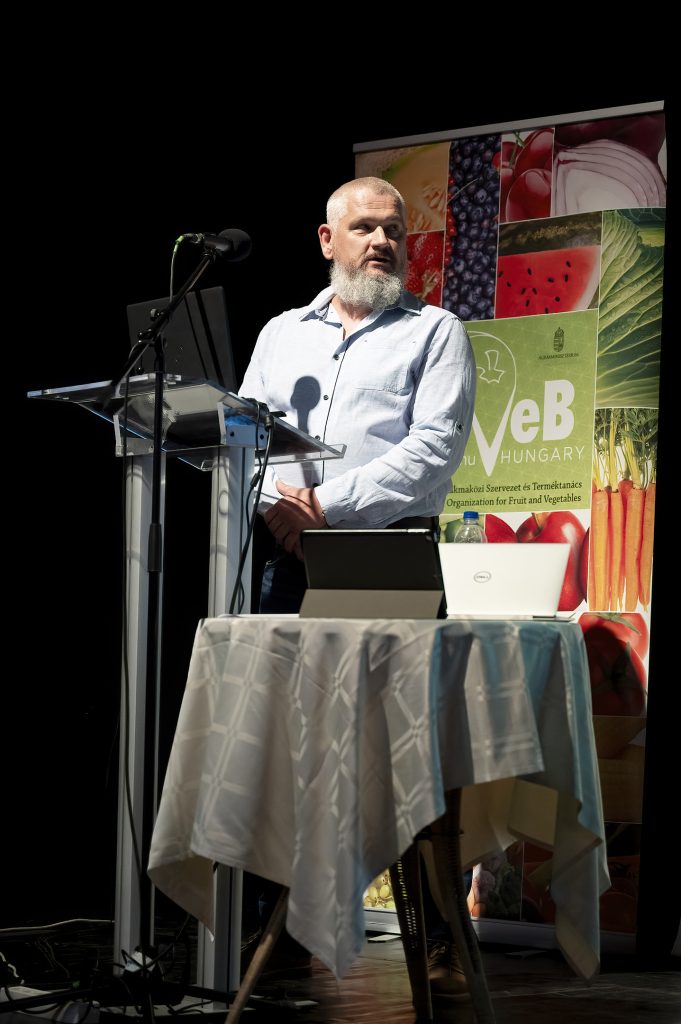
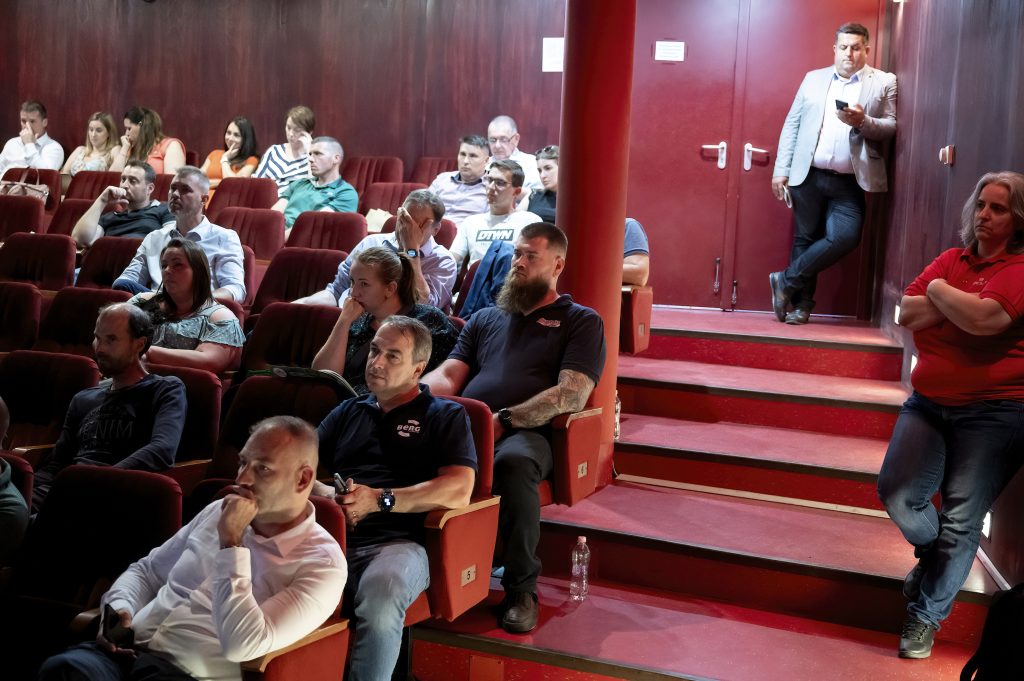
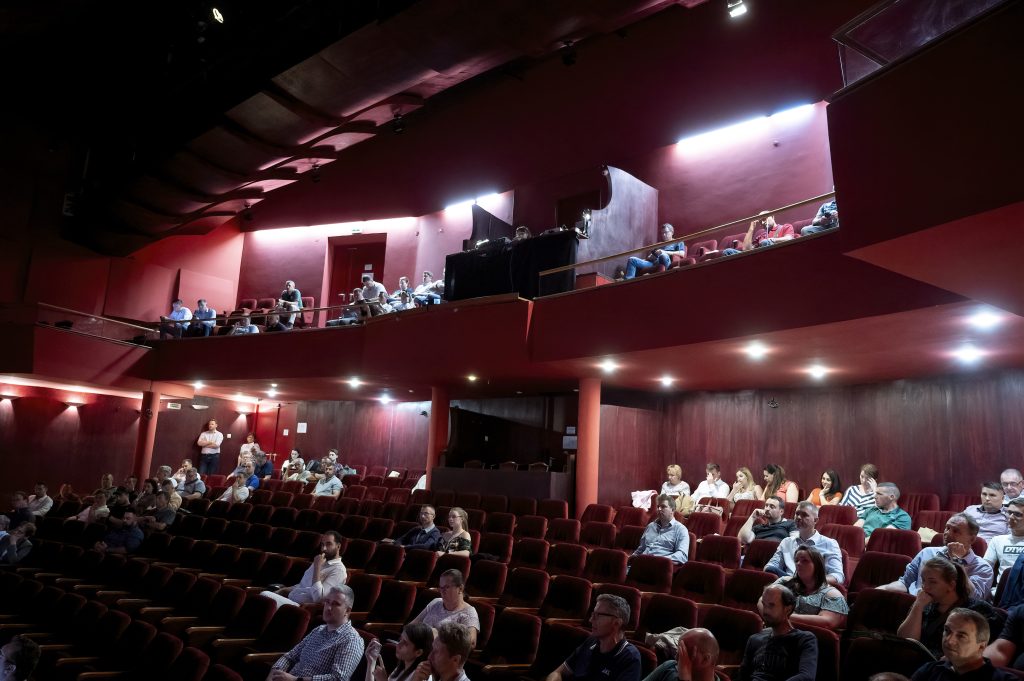
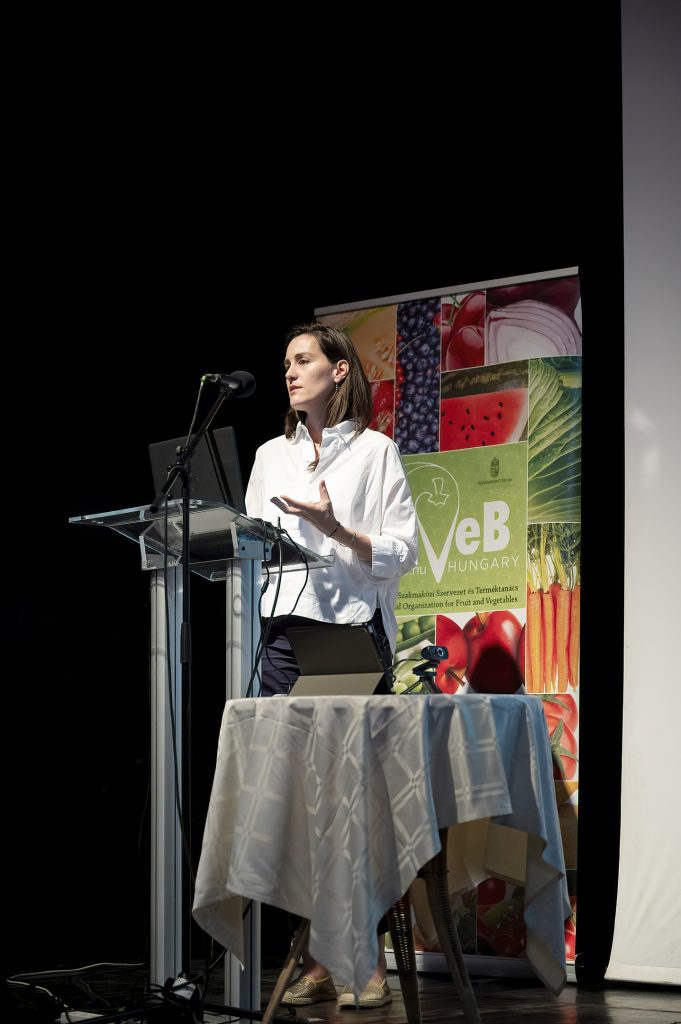
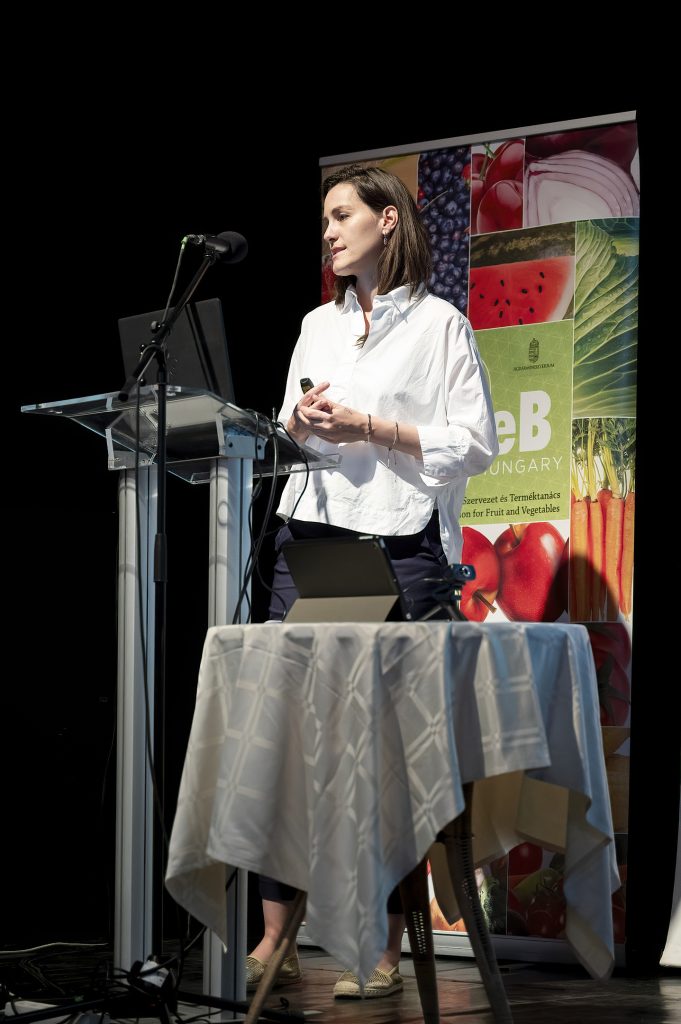
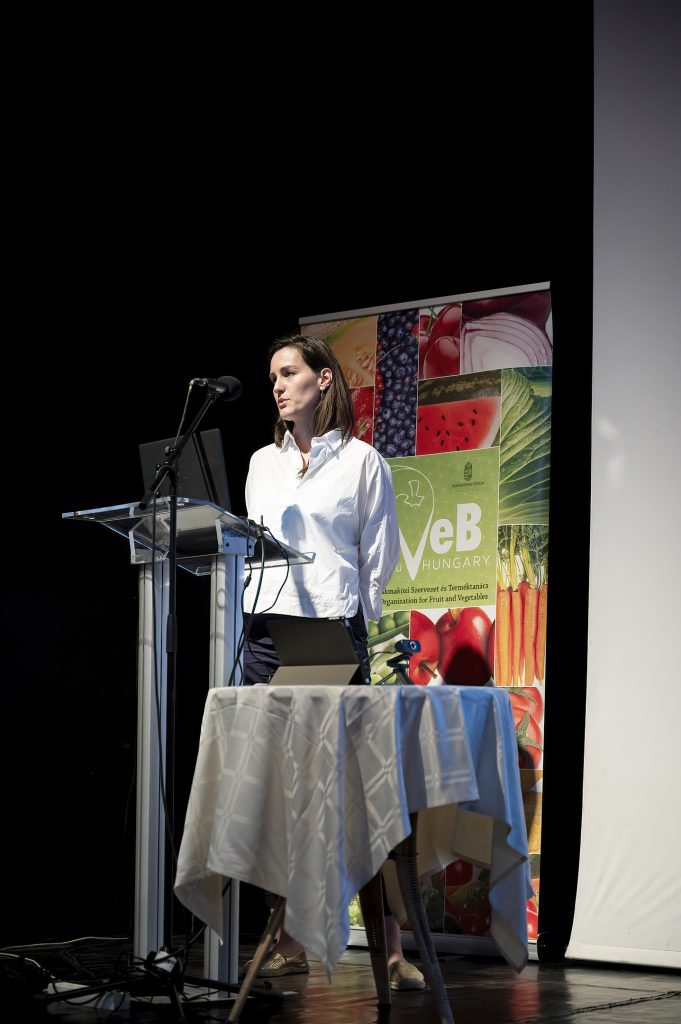
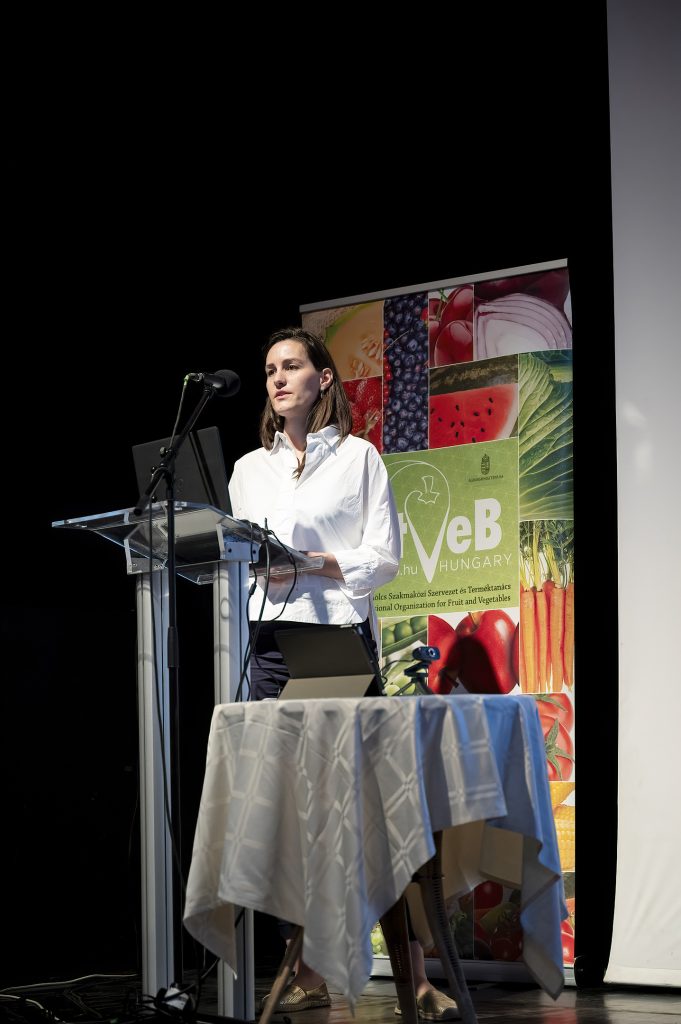
On 31 May 2024, the conference featuring domestic and international speakers as well as numerous exhibitors was held in Mórahalom, at the Aranyszöm Event Hall.
The video of the Hungarian Tomato Day 2024 event can be viewed here:
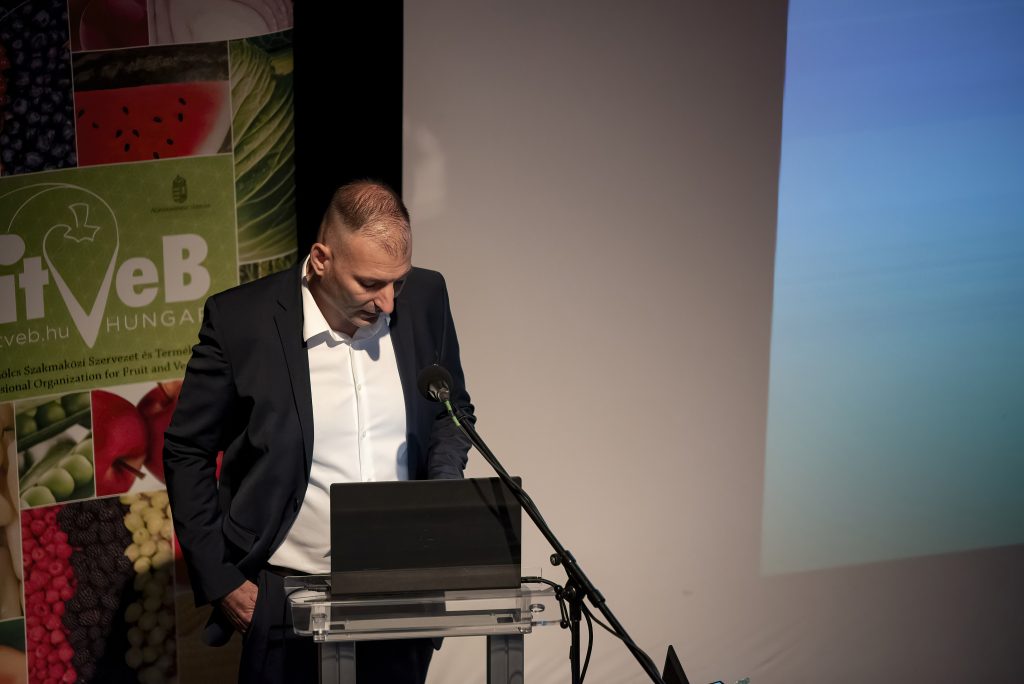
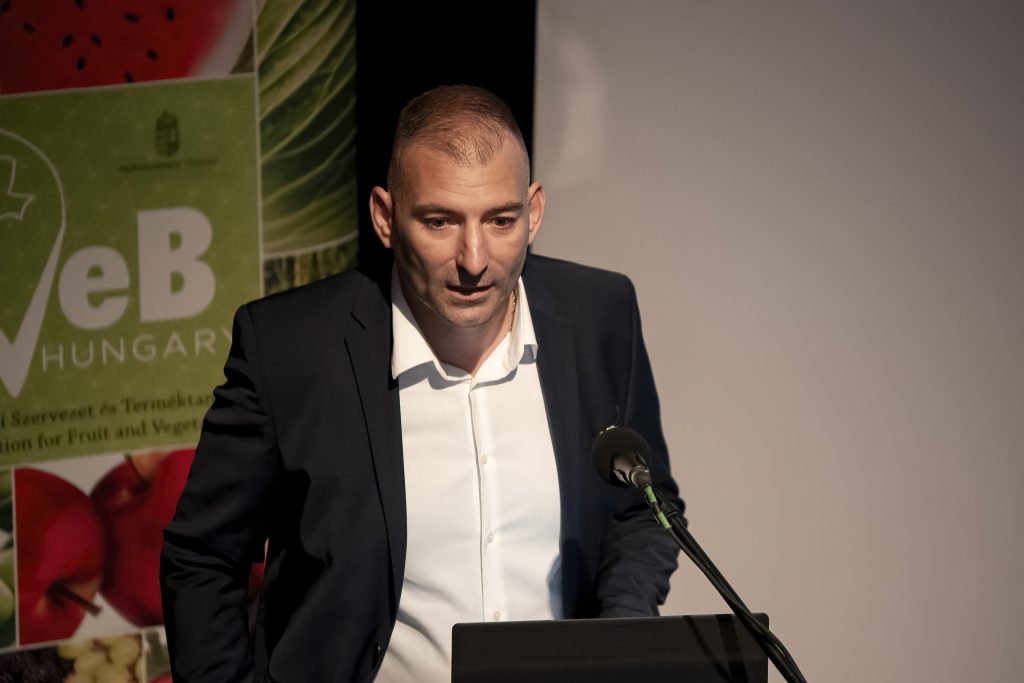
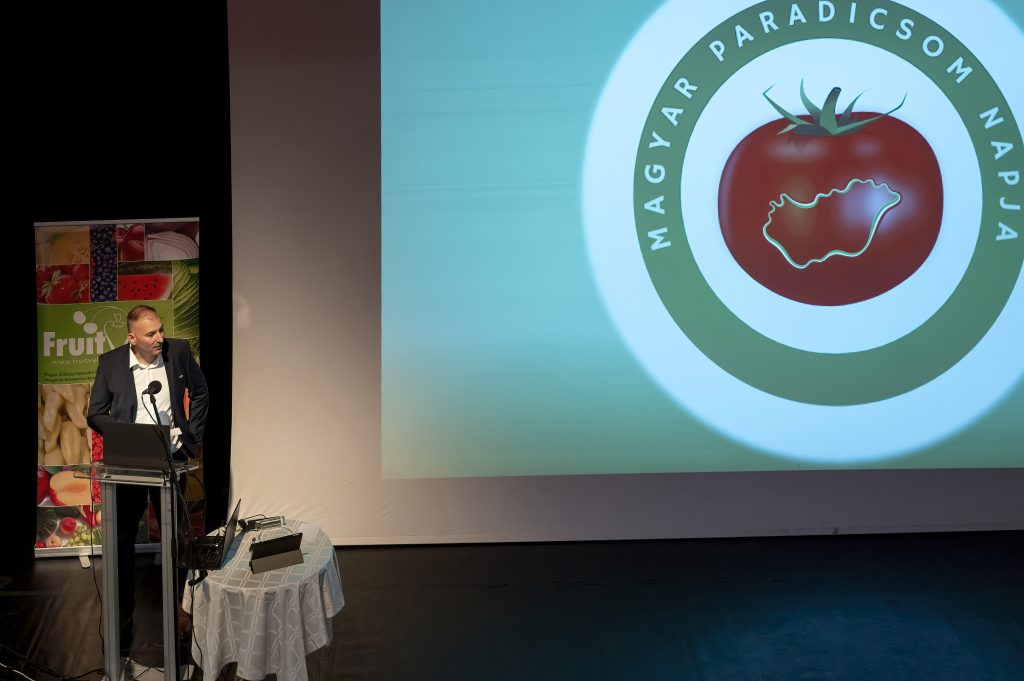
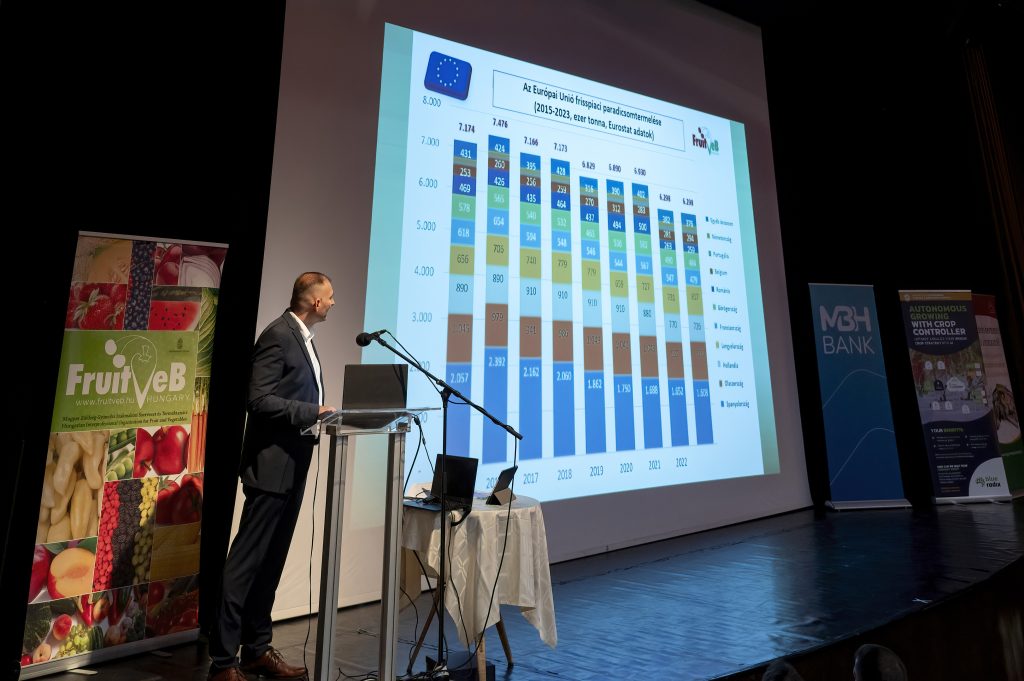
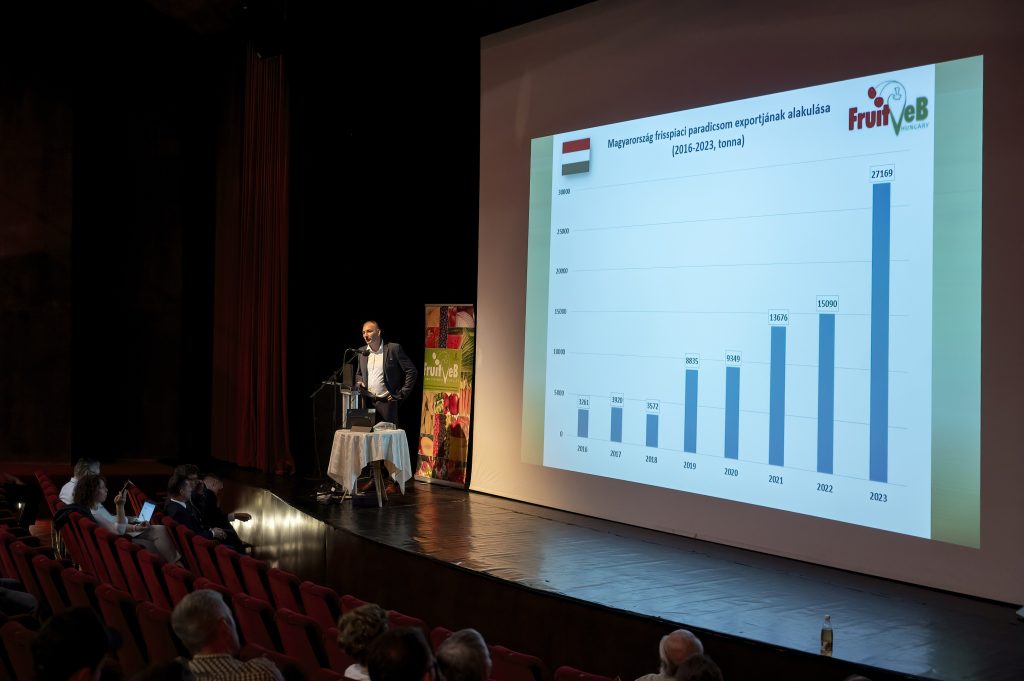
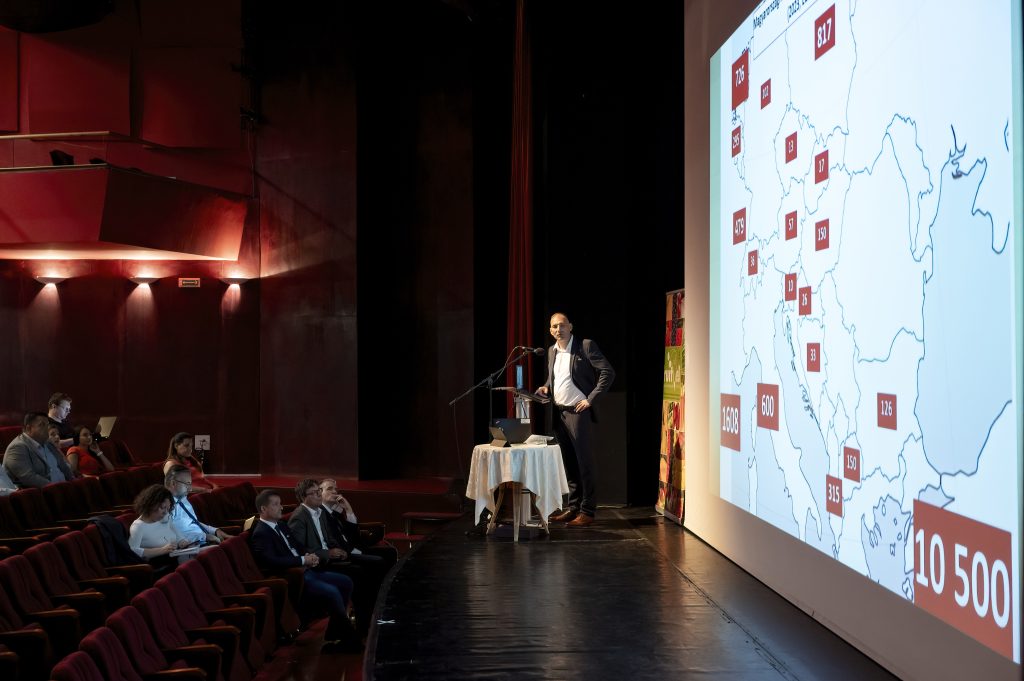
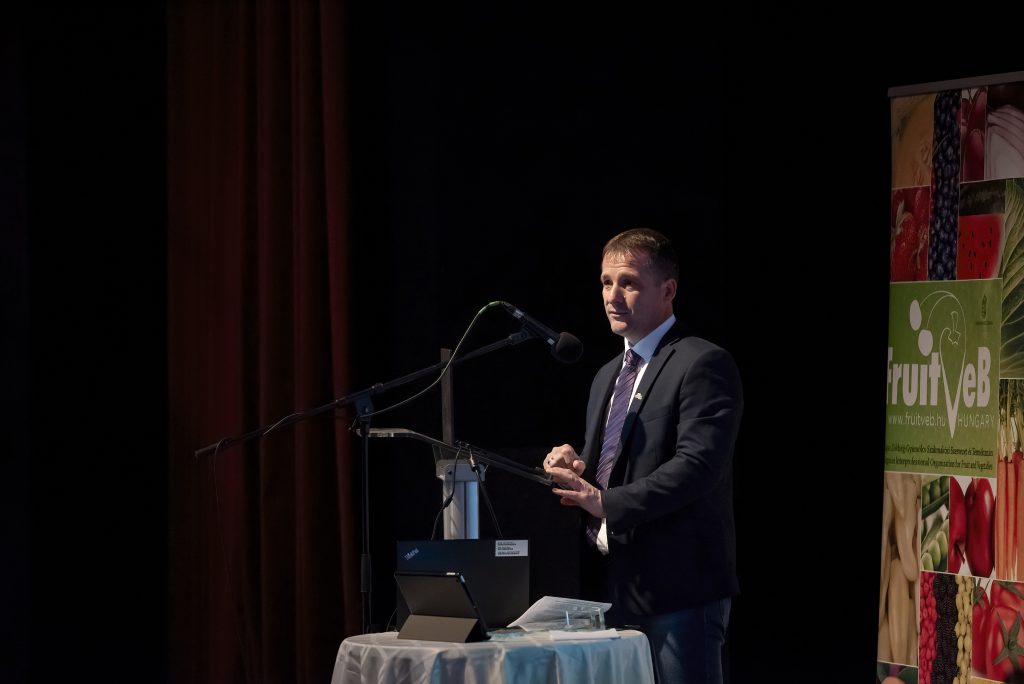
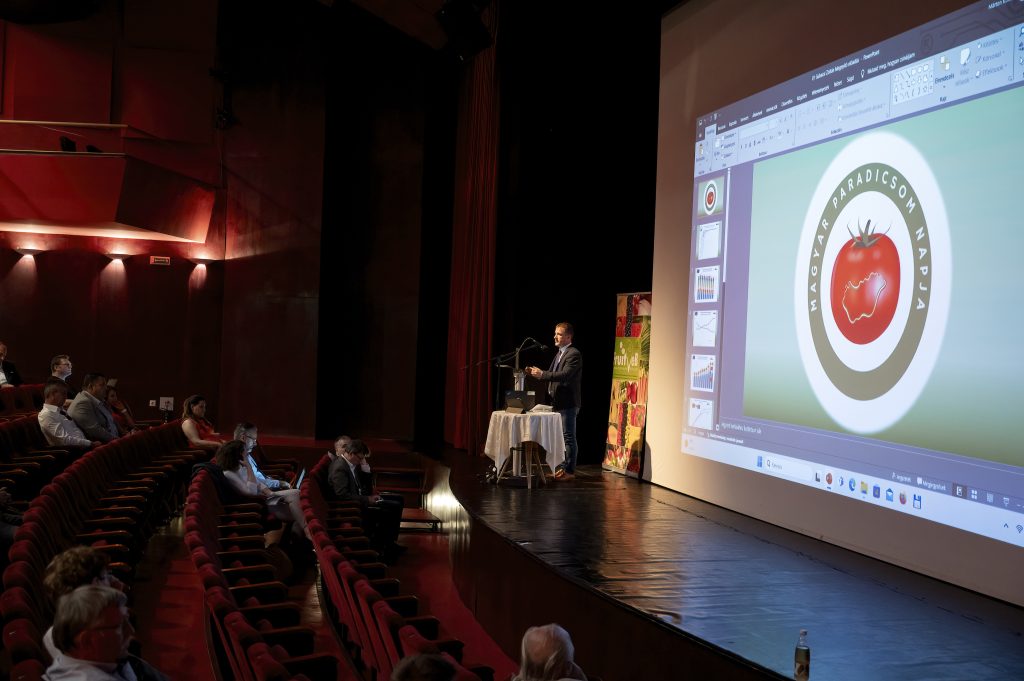
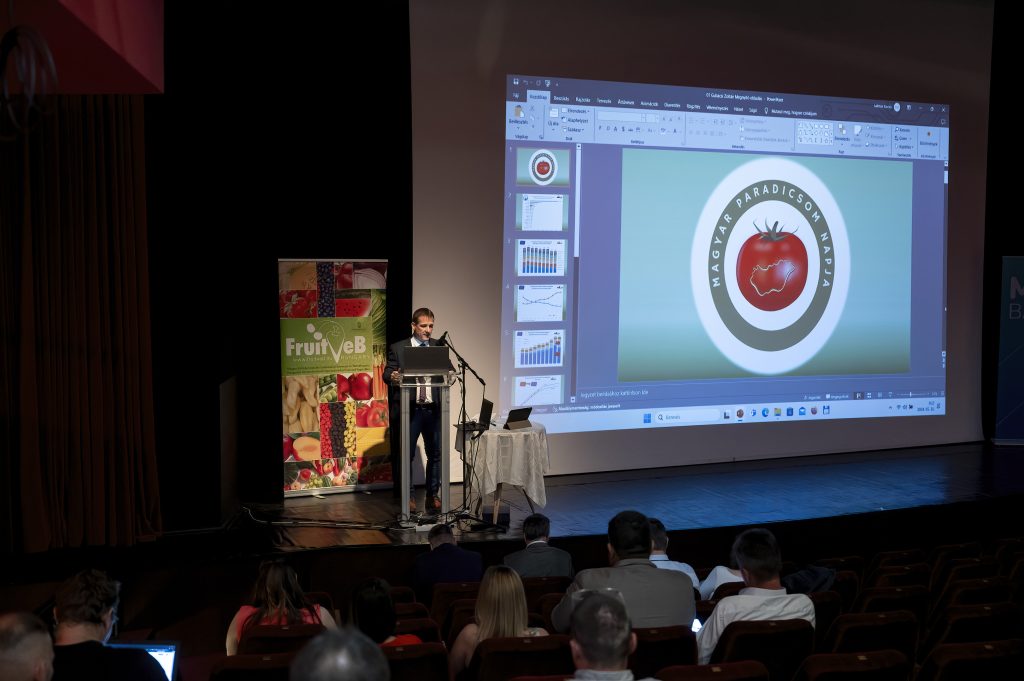
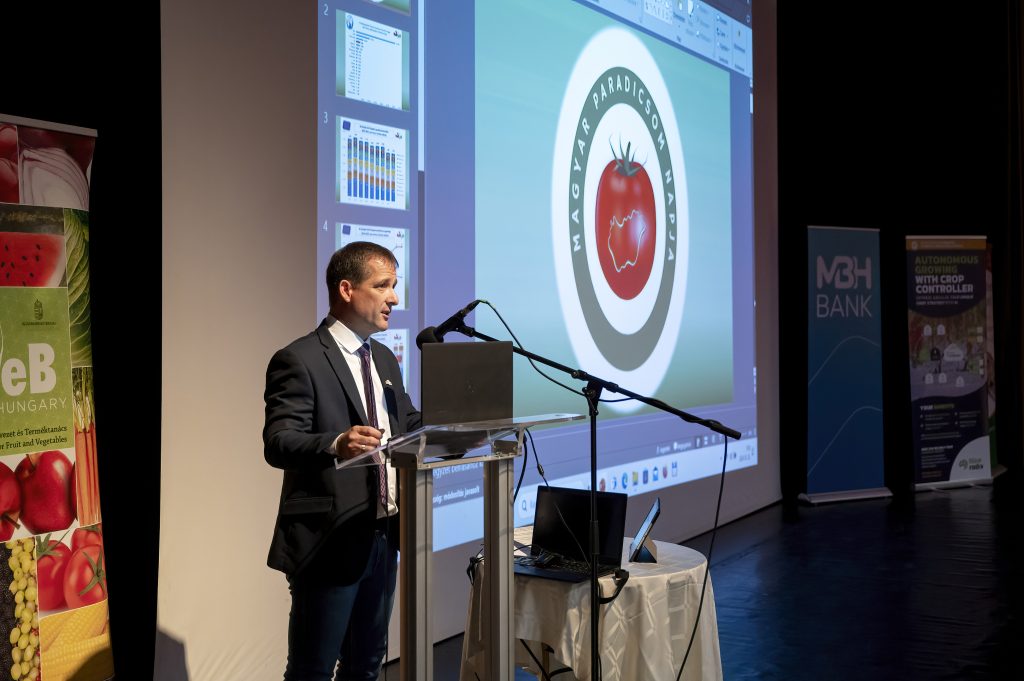
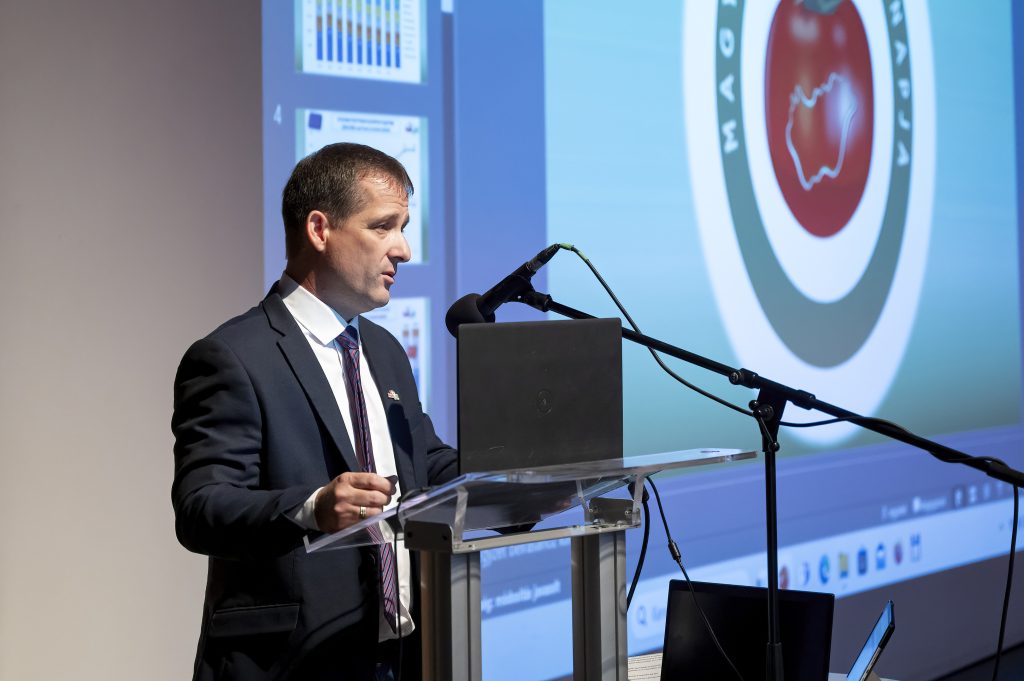
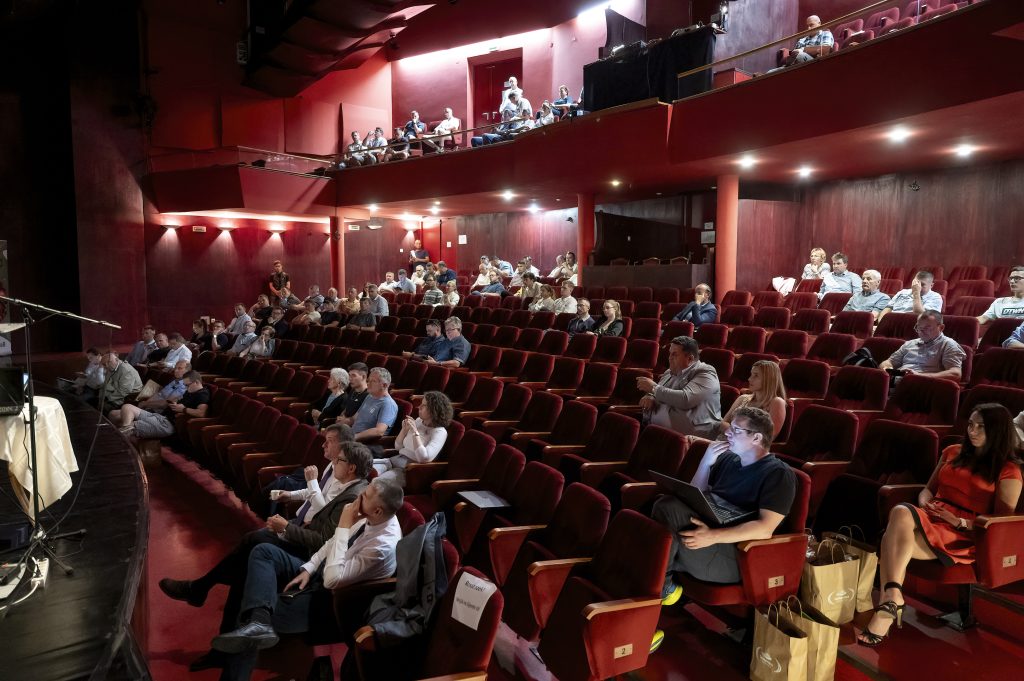
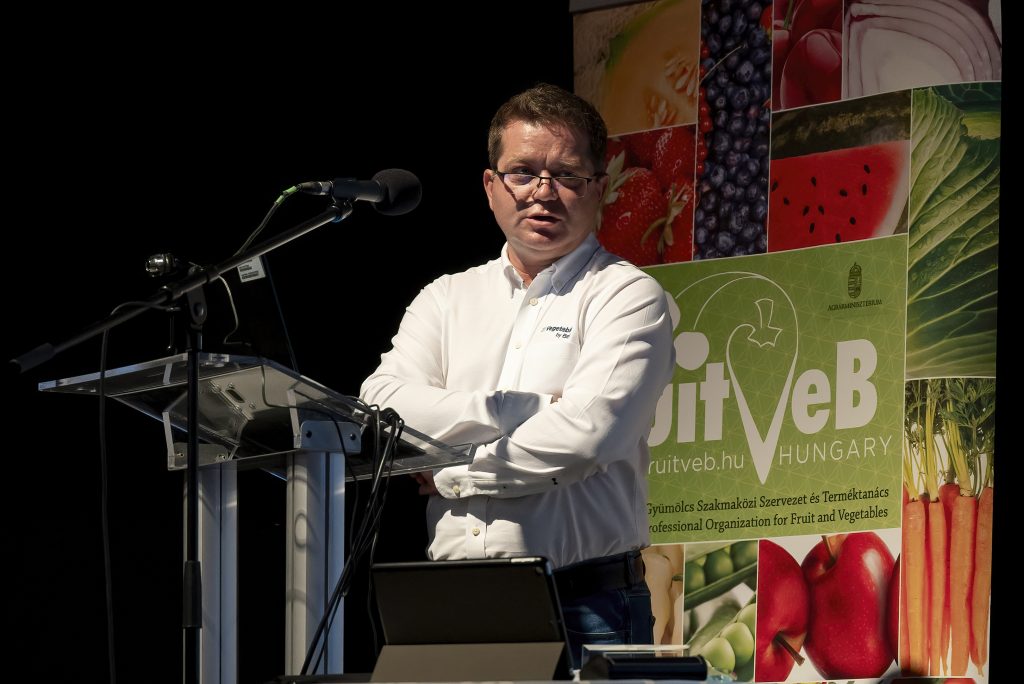
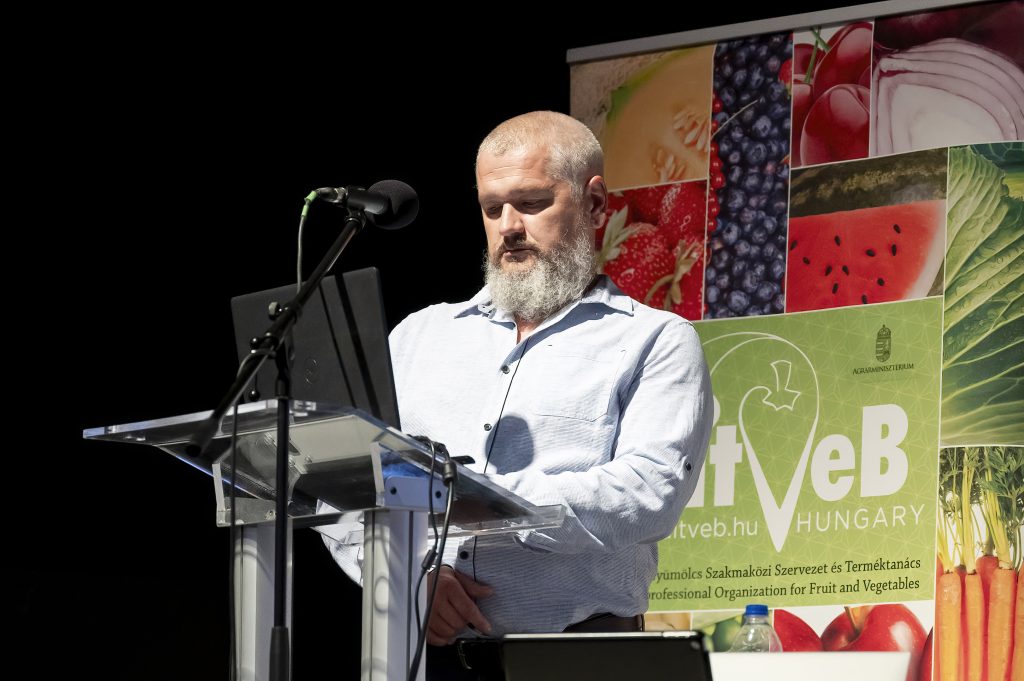
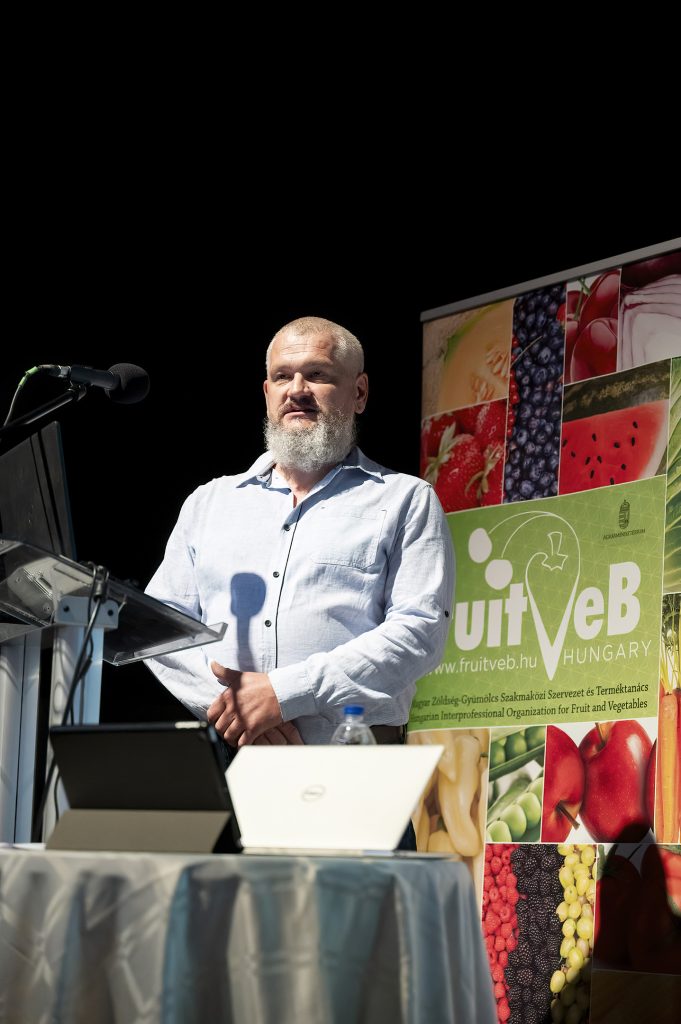
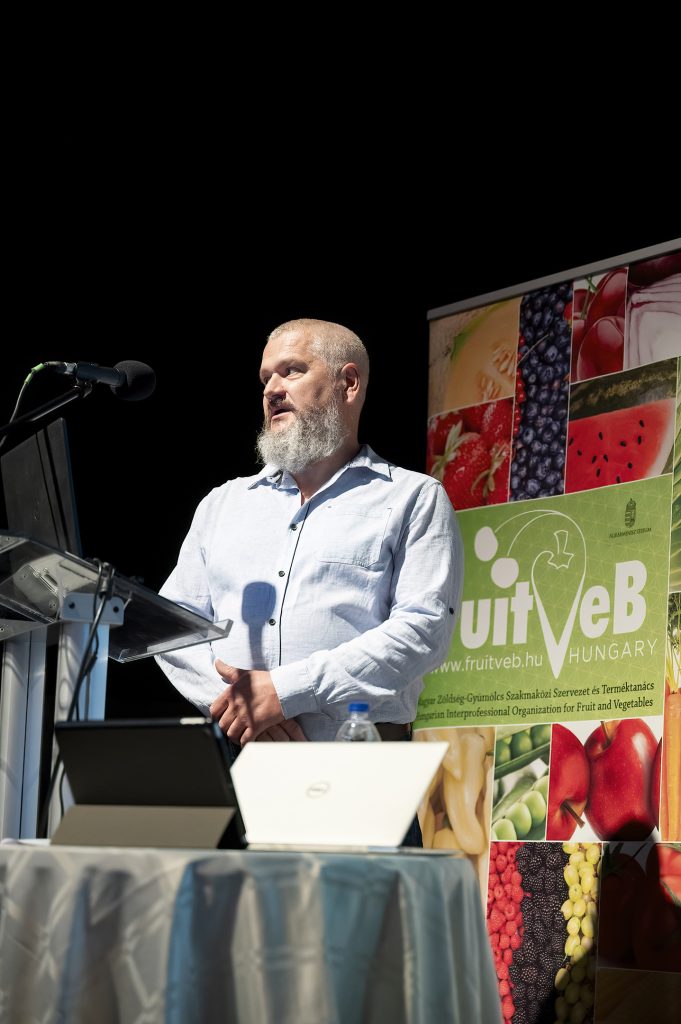
The more than 250 guests were welcomed by Zoltán Gubacsi, Vice President of FruitVeB, who expressed his delight at the record number of participants and exhibitors attending the event, held for the third time. In his brief presentation, he also outlined the domestic and global trends in greenhouse tomato production. Among other points, he drew attention to the European Union’s steadily declining production and its increasing import dependence, particularly towards Morocco and Turkey. Turkish produce reaches Hungary both directly and indirectly via Bulgaria and Serbia, while imports from Morocco remain negligible. The tomato production of the surrounding countries is an order of magnitude smaller than that of Hungary, and therefore, with further developments, we may become a significant market player in the region.
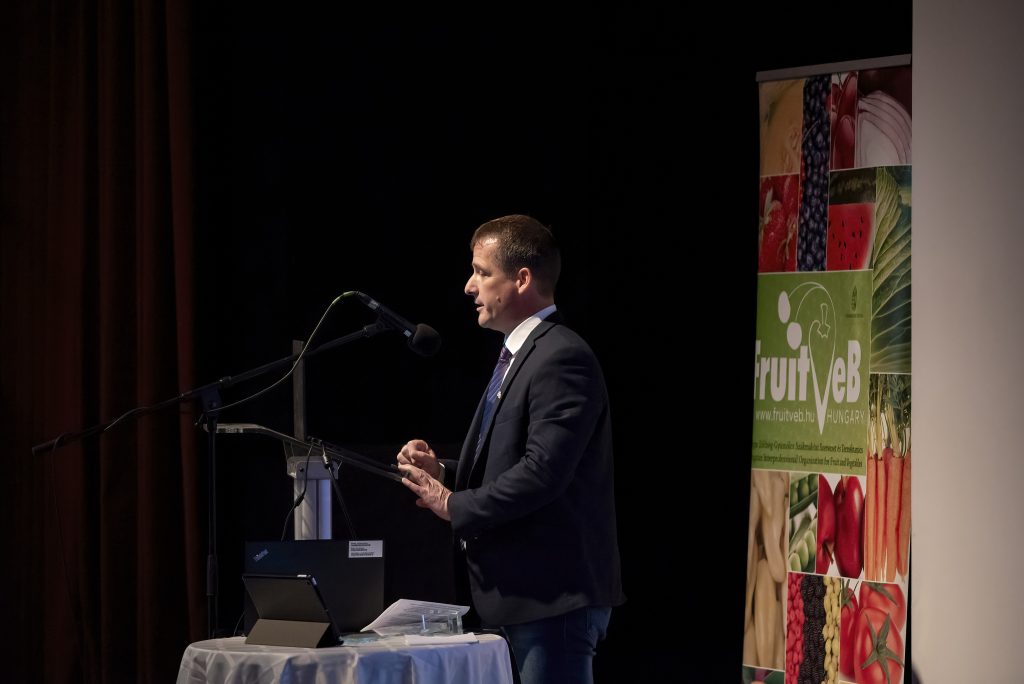
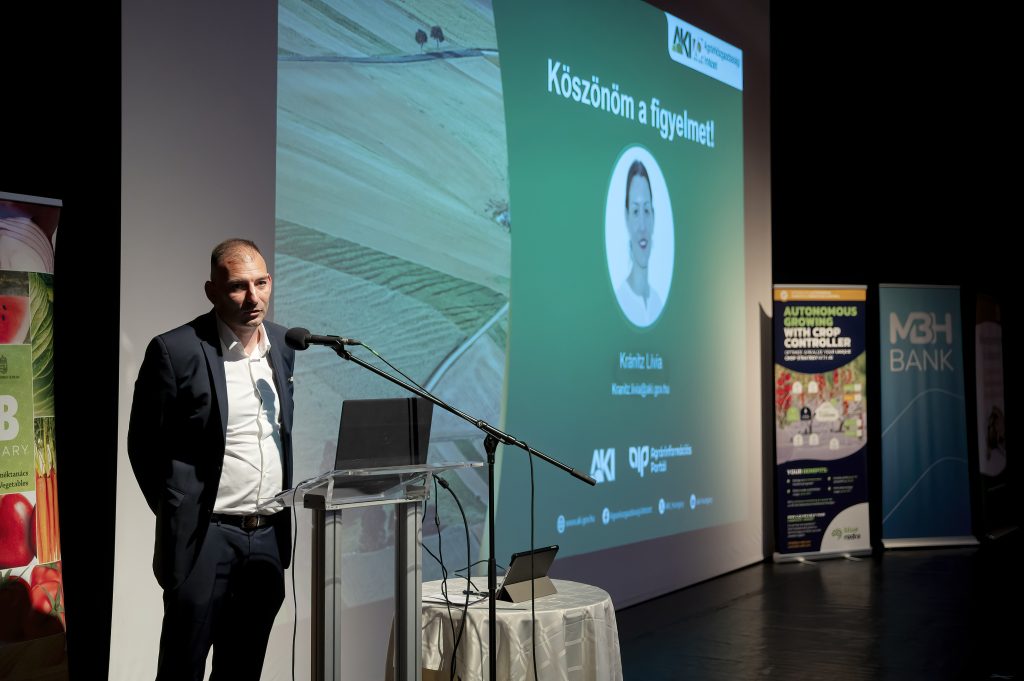
In his welcome speech, Dr. Ferenc Apáti, President of FruitVeB, announced that Dr. Béla Mártonffy had been elected Honorary President of FruitVeB in recognition of his outstanding and enduring contributions. Both the National Chamber of Agriculture and FruitVeB continue to count on the dedicated work of the former president of the NAK and FruitVeB; the new president of the NAK is Imre Csizmadi.
I. SUBSIDIES AND DEVELOPMENT SECTION
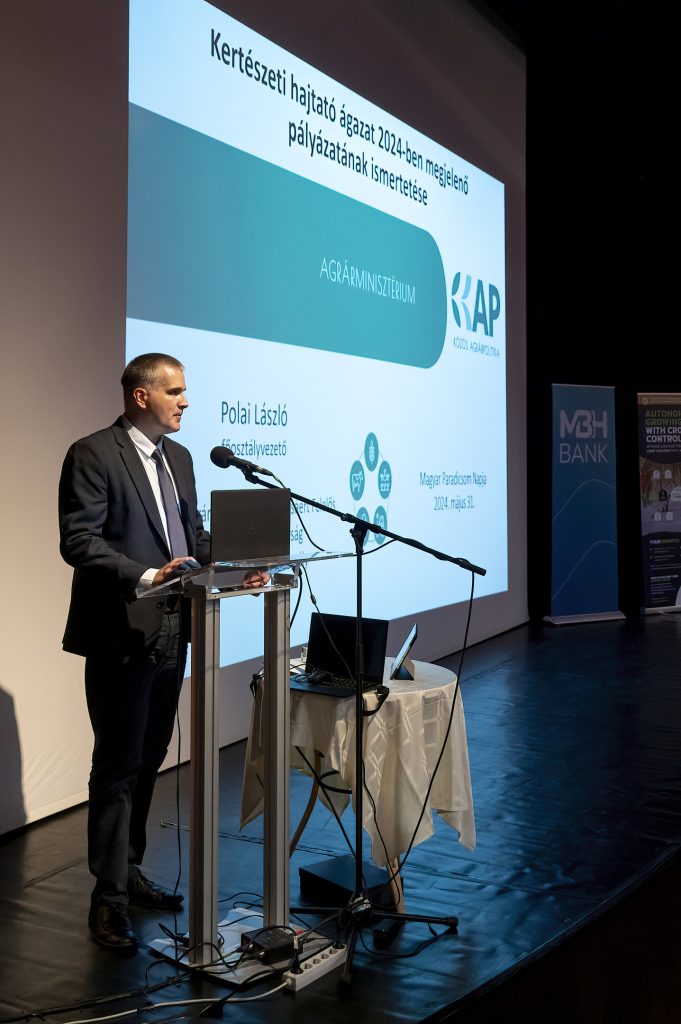
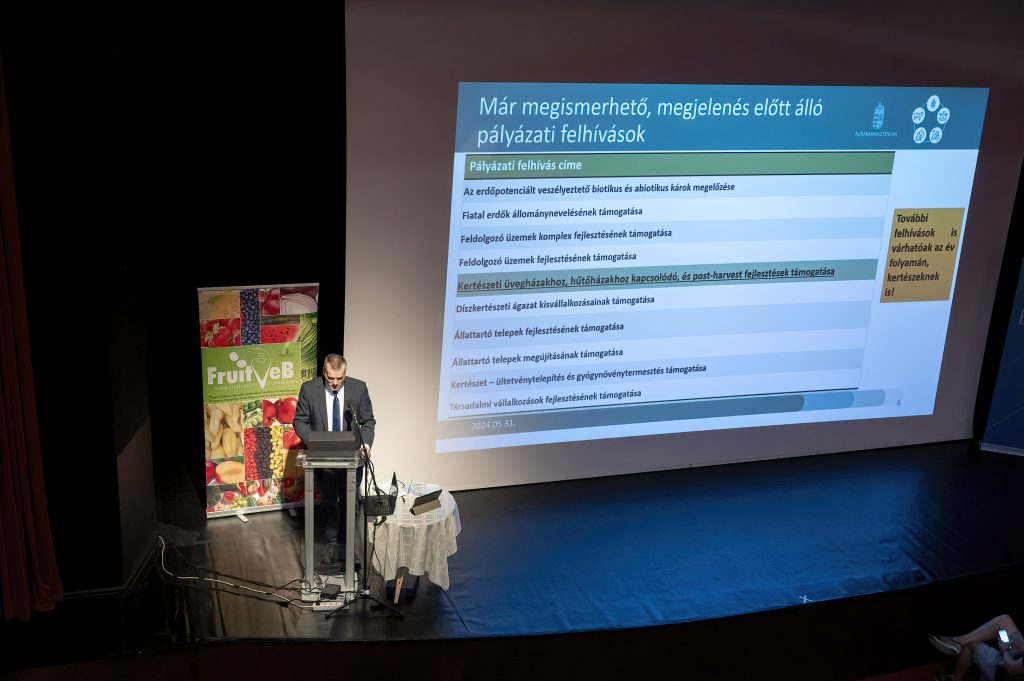
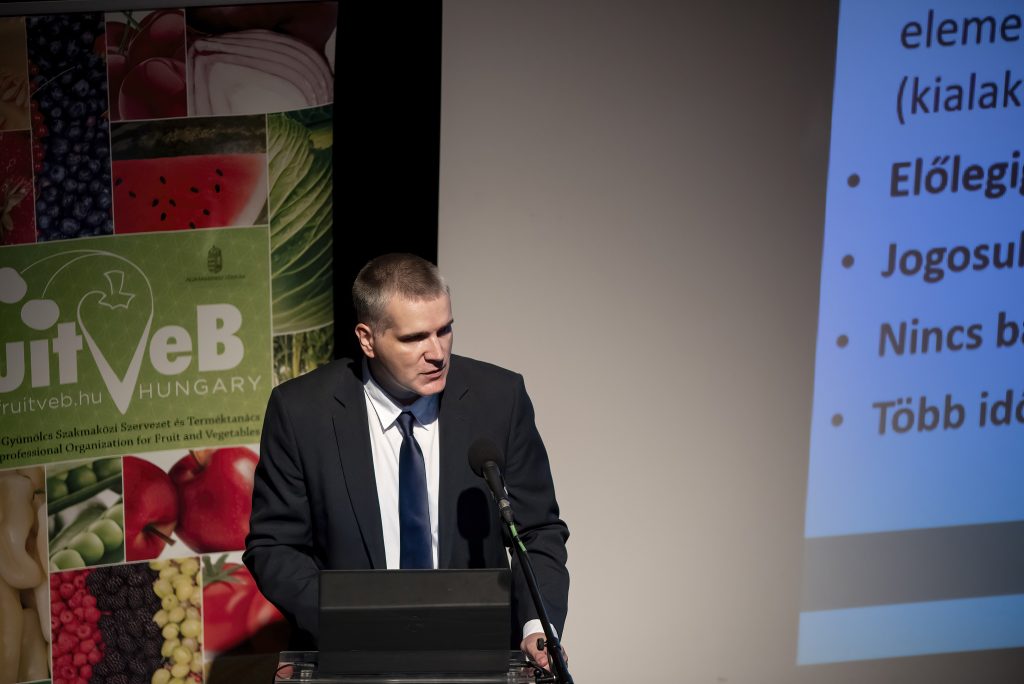
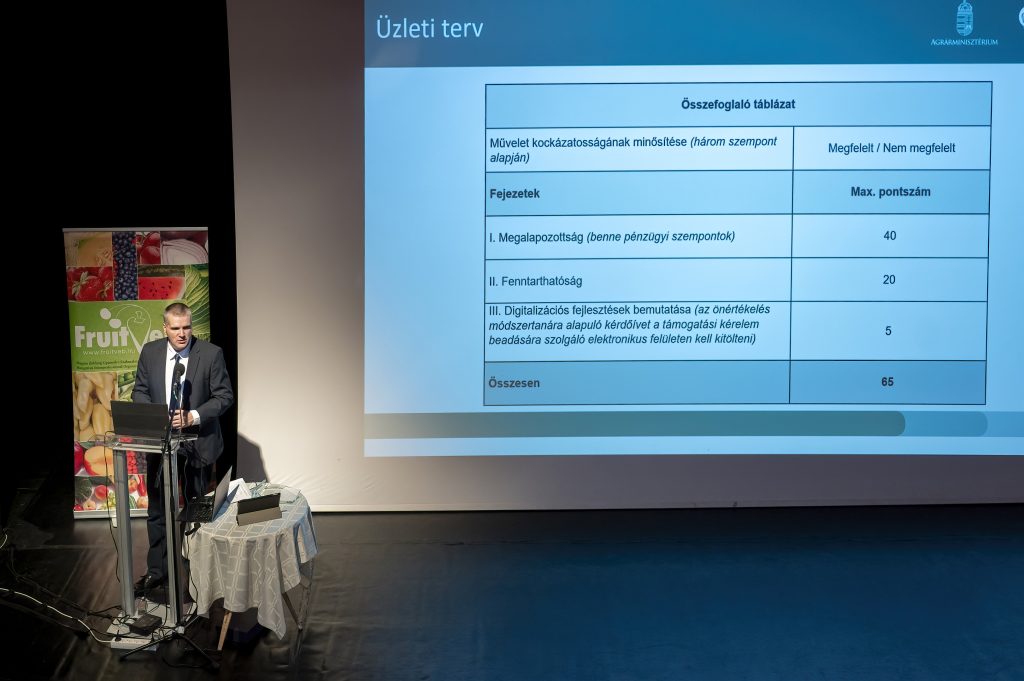
In his presentation titled ‘Overview of the horticultural greenhouse sector’s calls for proposals to be launched in 2024,’ László Polai, Head of Department at the Development Policy Department of the Deputy State Secretariat Responsible for the Implementation of the Common Agricultural Policy within the Ministry of Agriculture, spoke specifically about the soon‑to‑open calls for proposals affecting the greenhouse sector. The draft calls for proposals, already available for public consultation, have received numerous comments and corrective suggestions, including from FruitVeB. In the upcoming period, the Ministry will prioritize calls supported by solid financial foundations and those that clearly distinguish between small‑ and large‑scale projects — a principle that is also reflected in the case of greenhouses. The basic support intensity remains 50%, but the range of supplementary support intensities has expanded significantly. A positive change is the elimination of the requirement to maintain baseline employment levels. Among the eligibility criteria of the call with the code KAP‑RD01a‑RD01c‑1‑24, he noted that Producer Organizations (TÉSZ) will in the future be eligible for participation without the need for a revenue declaration. The upper funding limit will increase to 5 billion HUF, and the implementation period will be extended to 36 months. The call for proposals is expected to be published in the coming weeks, after which applicants will have 90 days to submit. The maximum rate of eligible general costs is 5%, land preparation up to 2%, on‑site infrastructure development will increase from the previous 15% to 20%, and the limit for postharvest developments will also expand to 1 billion HUF. Containers with unique identifiers have also been added to the list of eligible items. In the new period, interest costs will also become eligible for support, with further details to be issued by the managing authority in the coming weeks. Although the implementation deadline increases to 36 months, certain milestones must still be met by farmers. A key point is that the indicative budget will be 50 billion HUF. It is advisable to follow the new thematic website, where all current information will be continuously available.
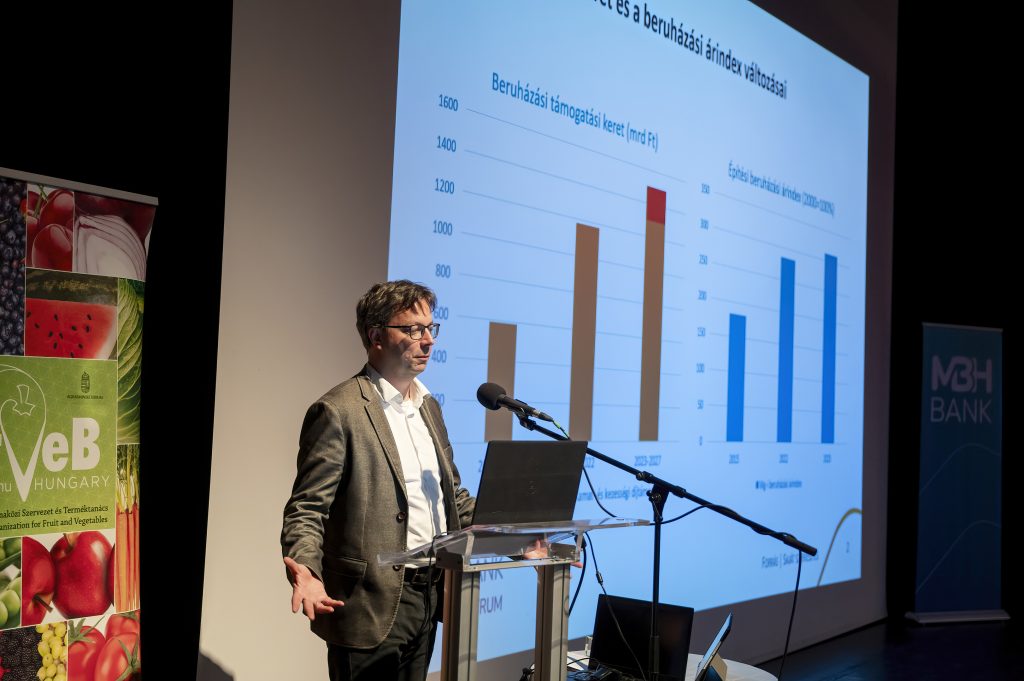
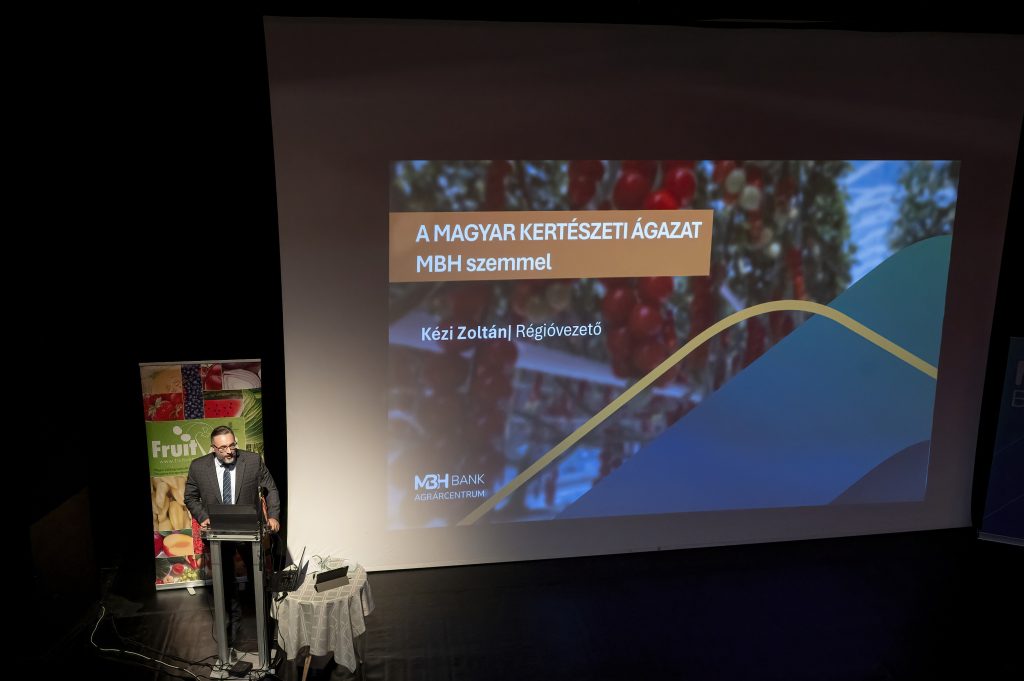
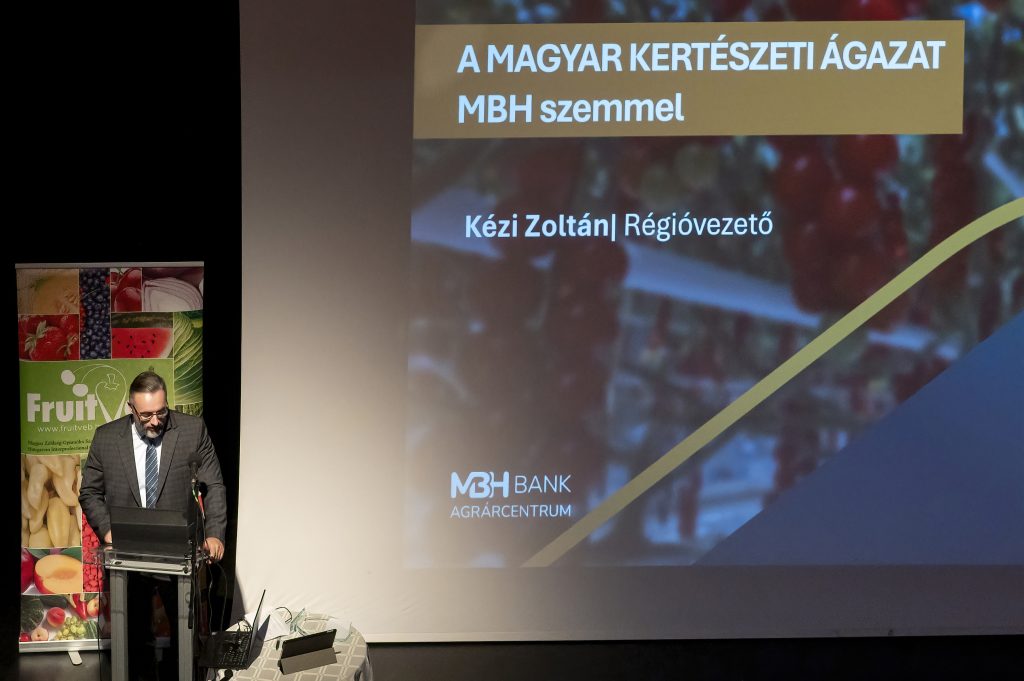
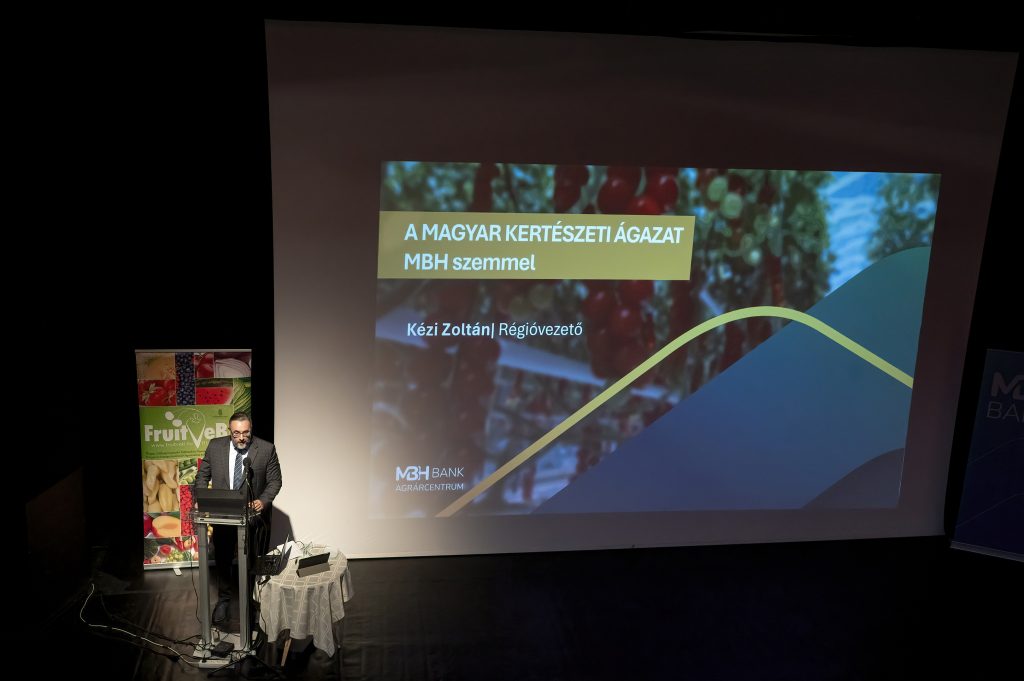
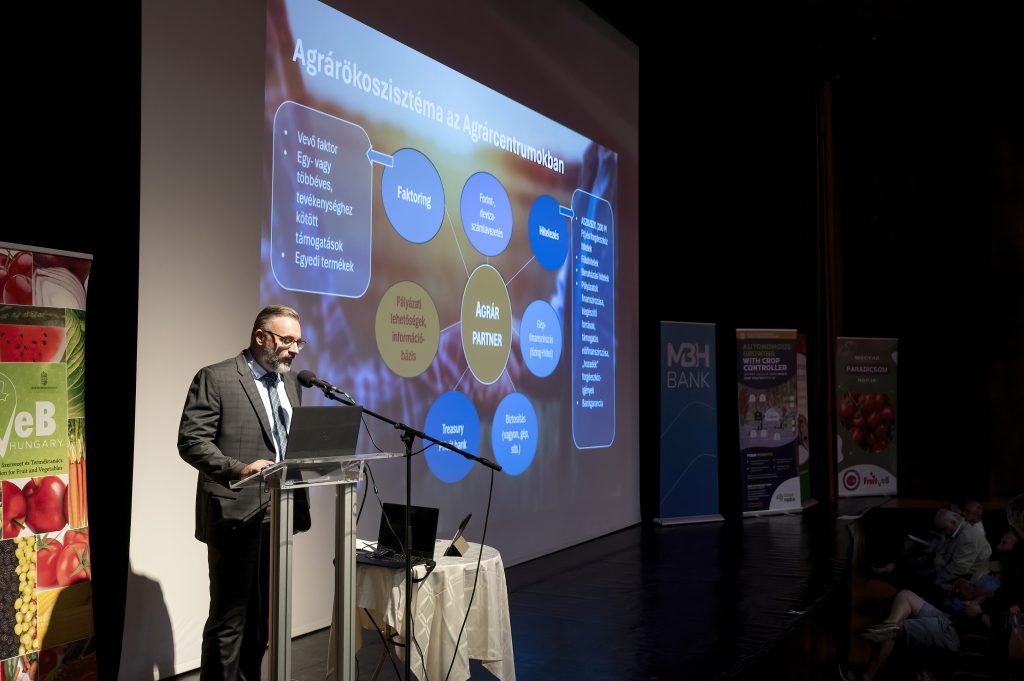
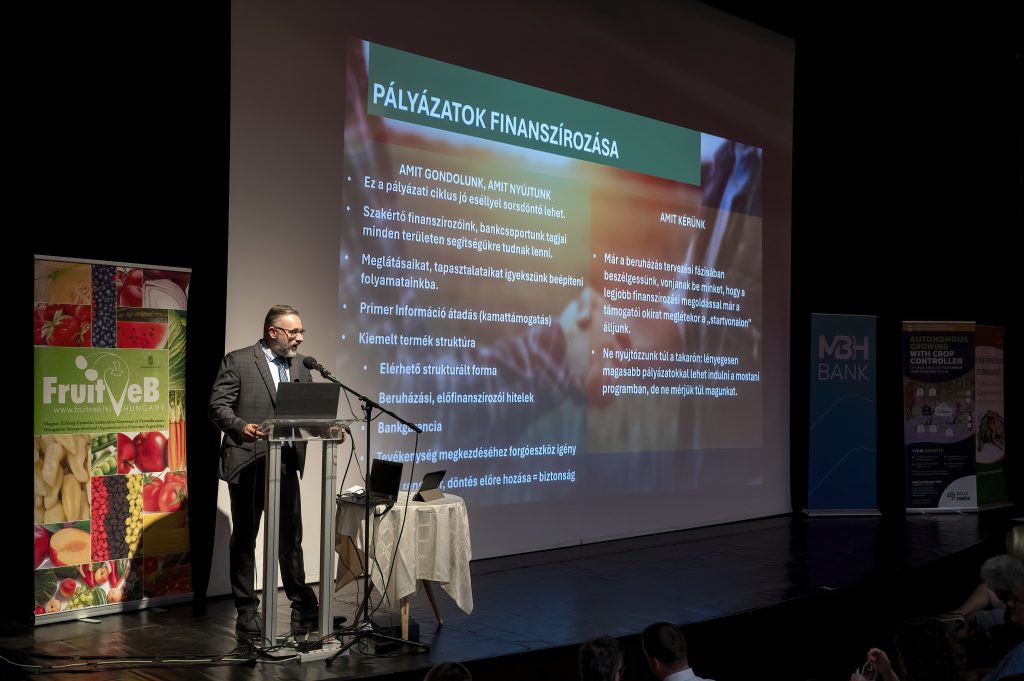
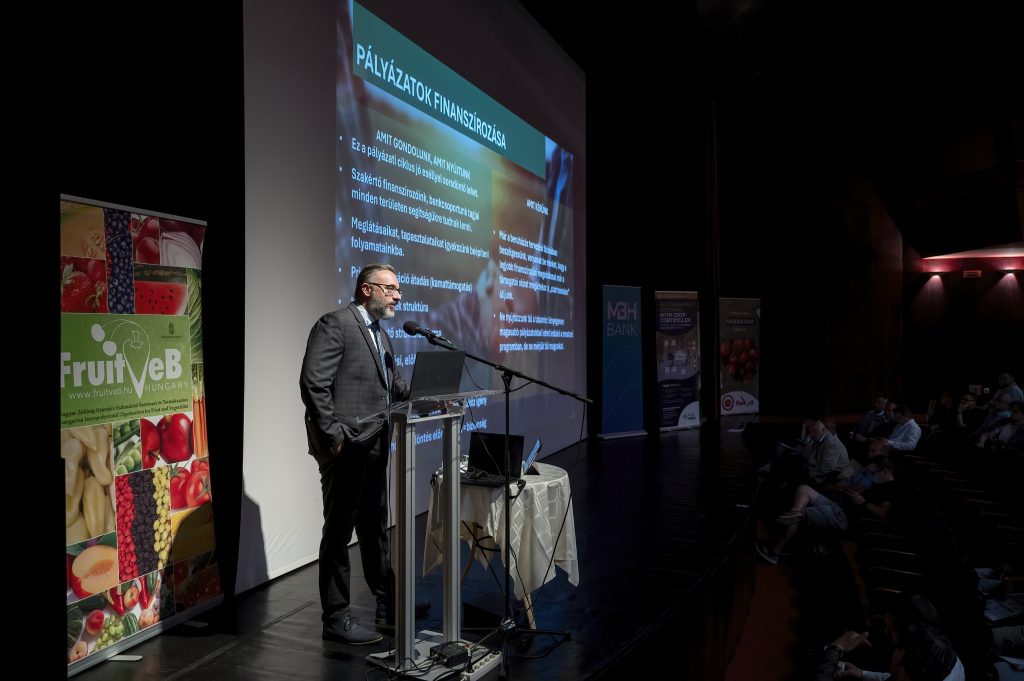
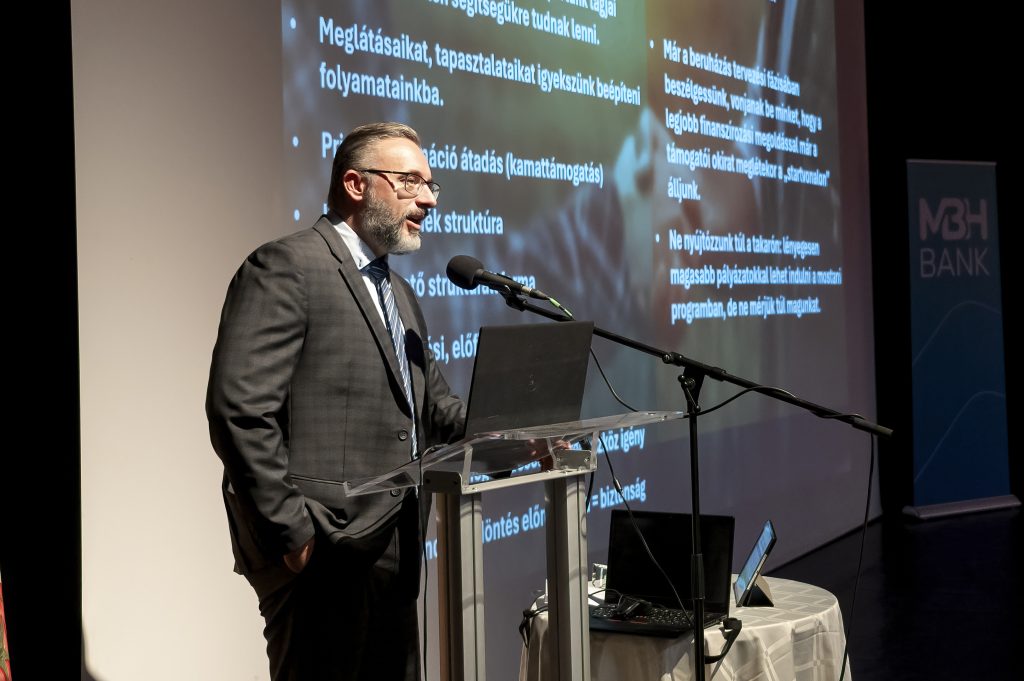
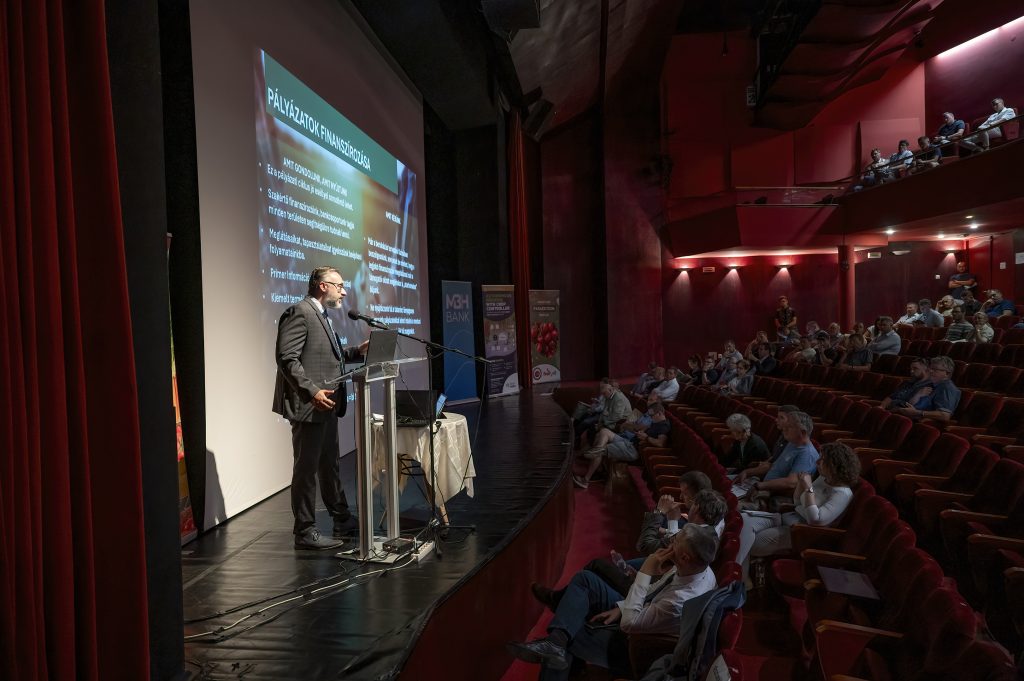
The second presentation, titled ‘MBH Bank’s financing plans in the horticultural sector,’ was delivered by Zoltán Kézi, Regional Director of the Agriculture and Food Industry Division of MBH Bank Plc. In his briefing, he emphasized that the global, long‑term trends in vegetable production indicate the sector’s advancement. Additionally, in the EU‑27 member states, the share of vegetable consumption in total caloric intake lags behind the global average (only 2% compared to 4%). Within vegetable production, the greenhouse sector is of particular importance, as it is one of the most predictable, secure, and industrialized segments, making such investments highly promising.
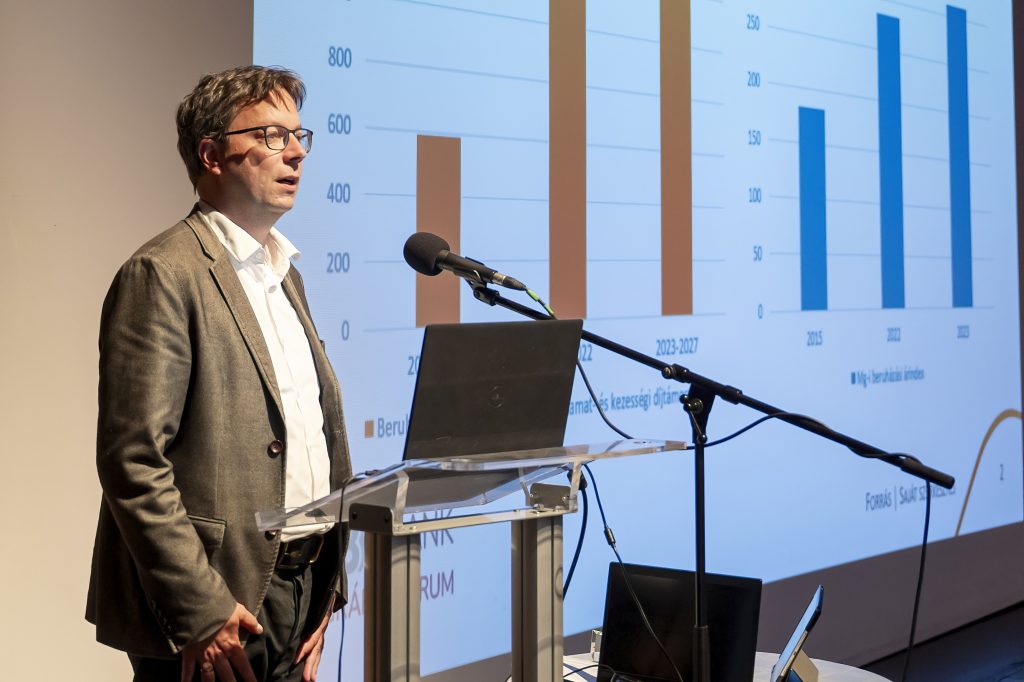
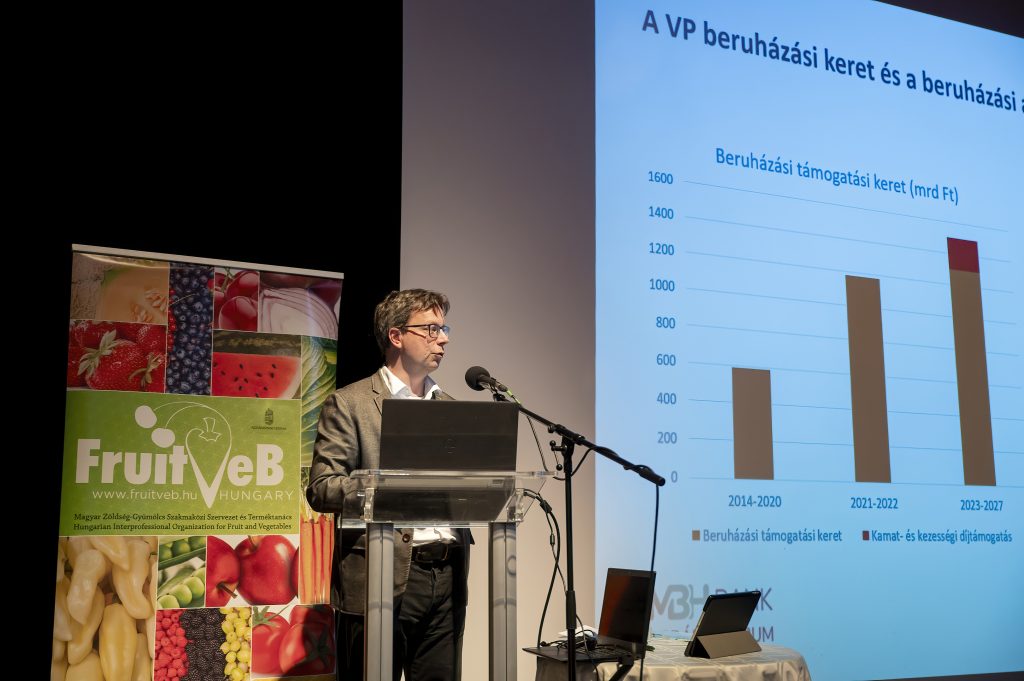
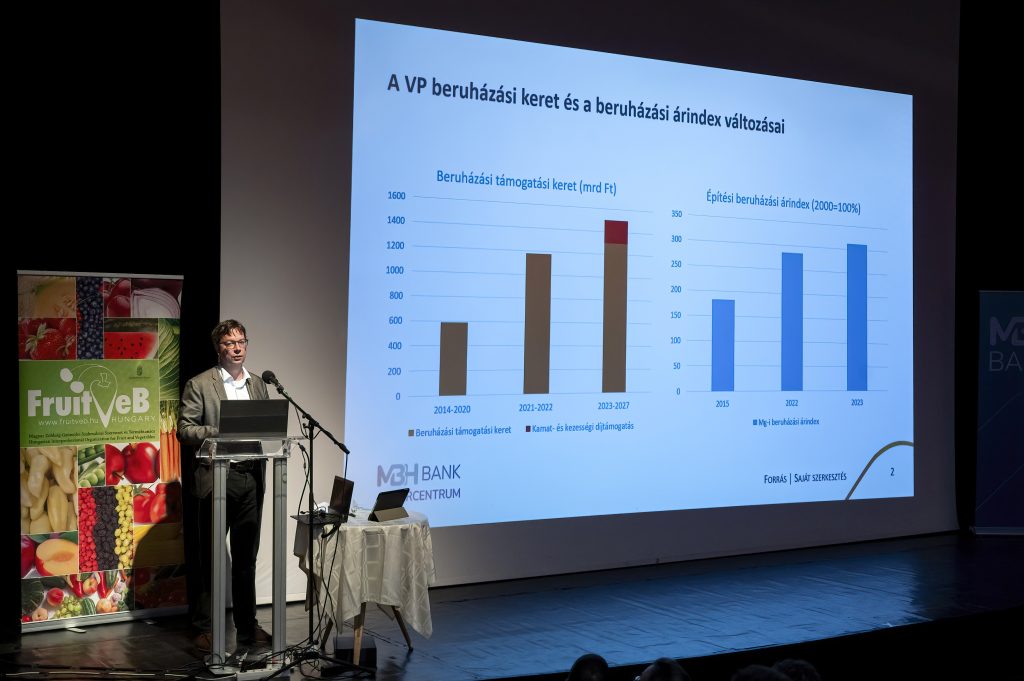
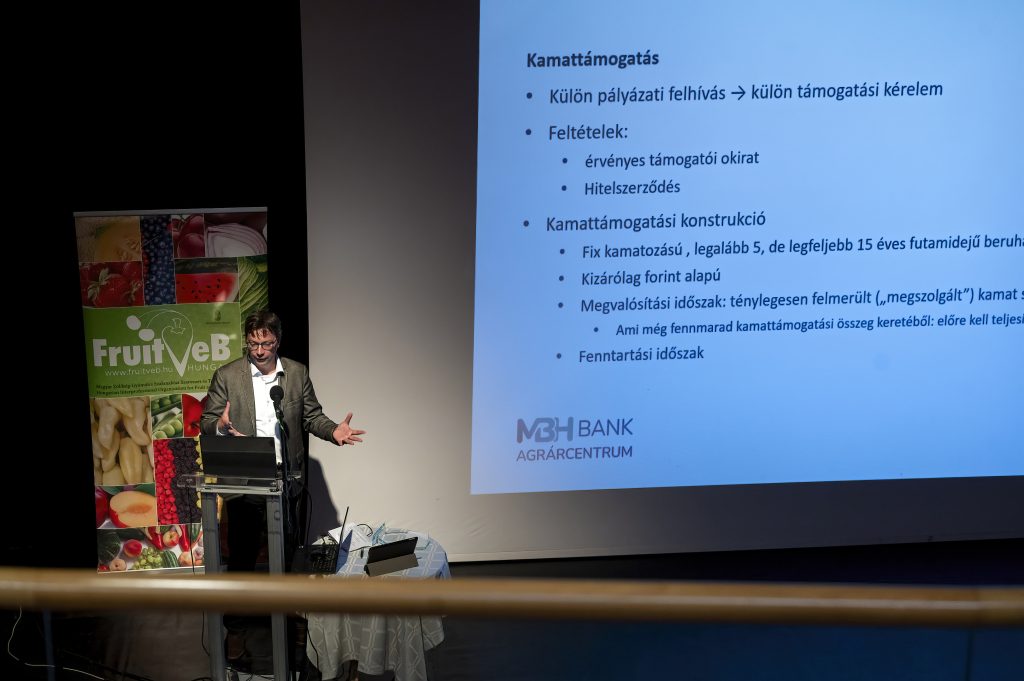
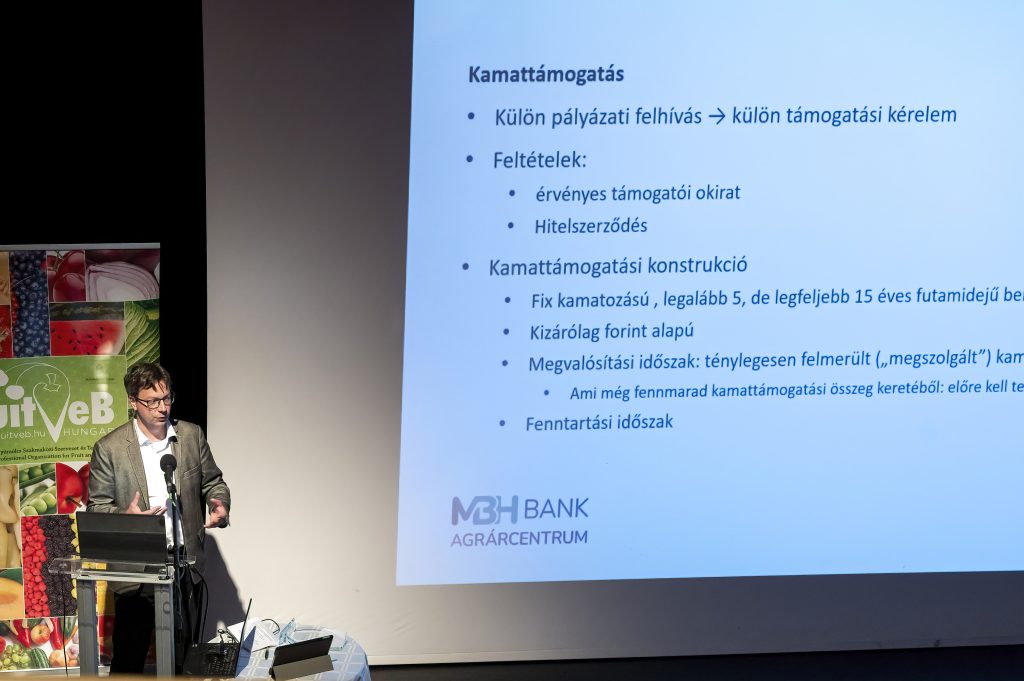
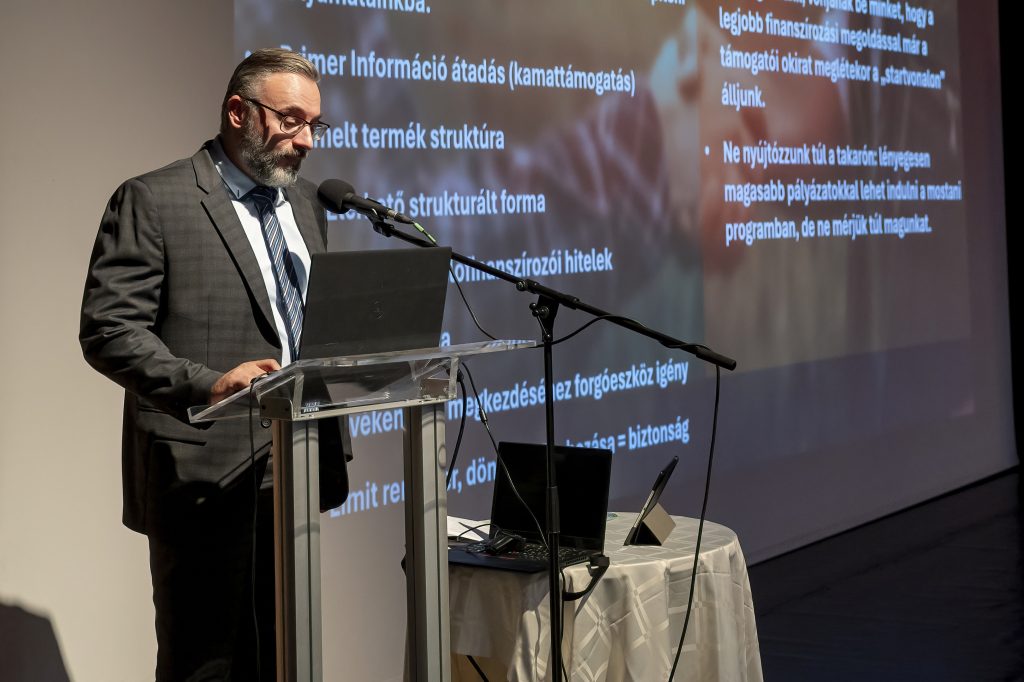
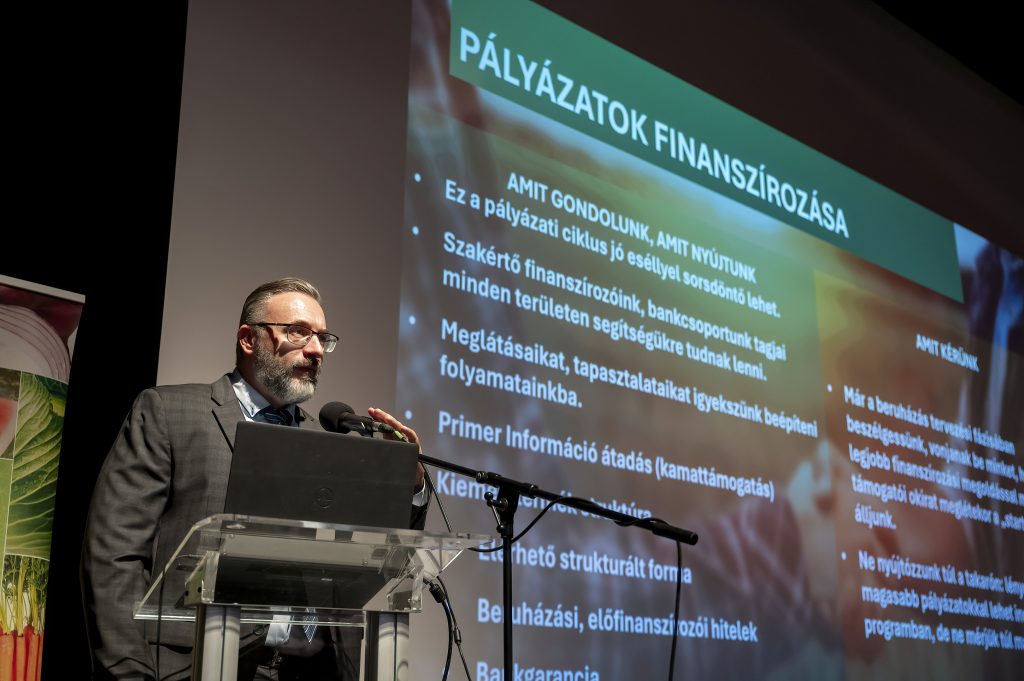
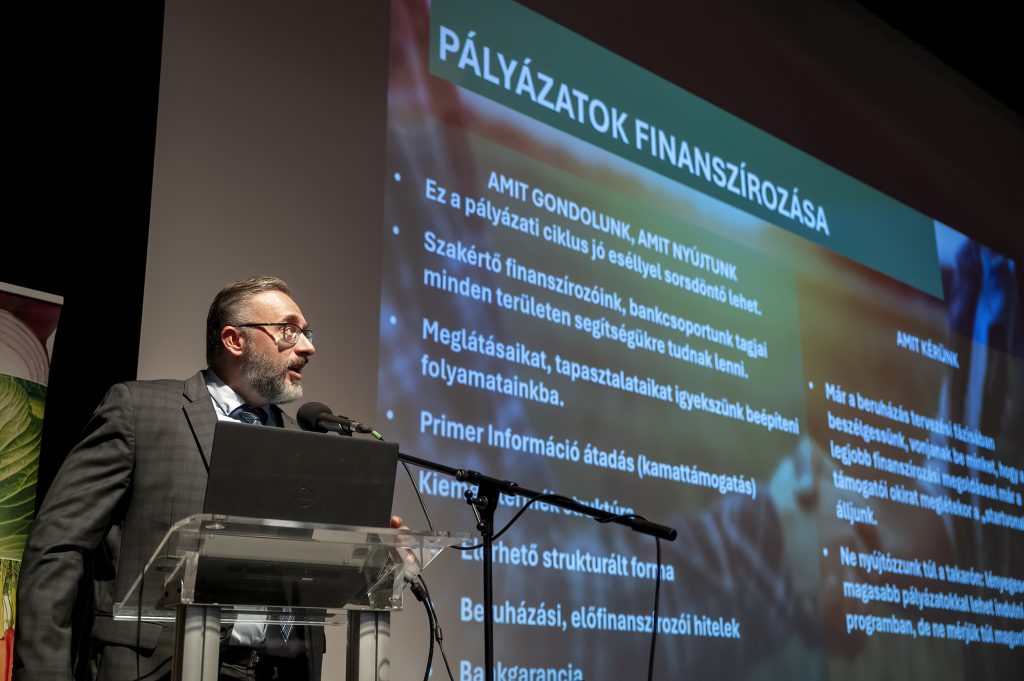
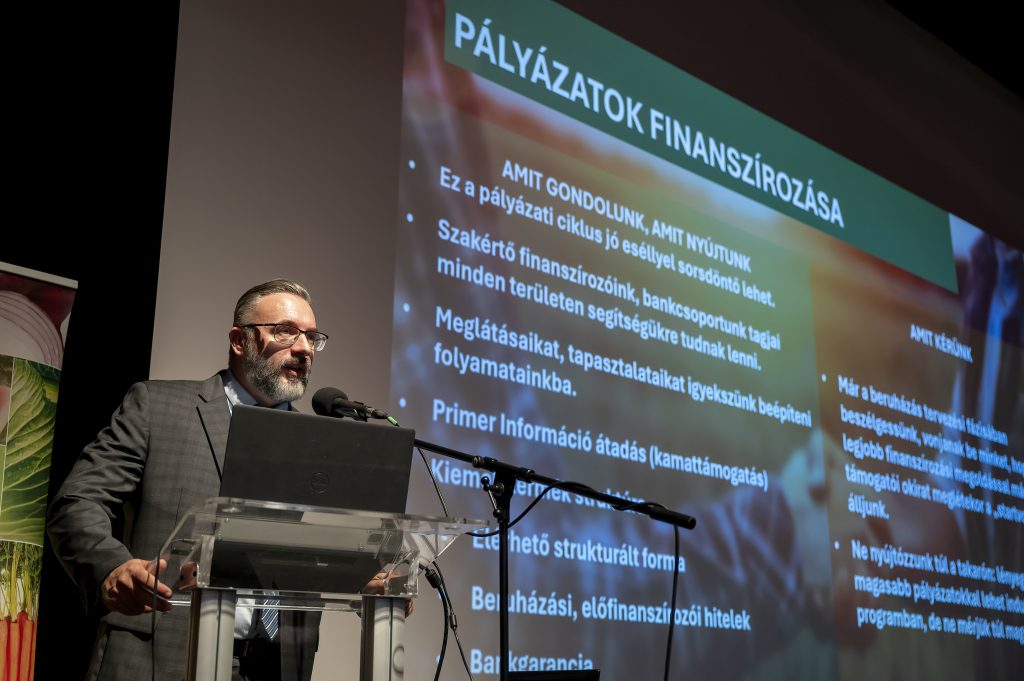
In his presentation titled ‘Loans related to CAP horticultural calls and the conditions for accessing interest subsidies,’ Dávid Mezei, Head of the MBH Center for Agricultural Relations and Agricultural Subsidies, informed the audience about the main changes affecting financing. The maximum support intensity may reach 65% — in such cases, interest subsidies cannot be used, except when the project includes renewable elements (70% intensity). The interest subsidy schemes will appear in a separate call for proposals, as the first support certificates must be available beforehand (expected in the first half of 2025). This will in all cases be a fixed‑interest scheme with a minimum term of 5 years and a maximum of 15 years, and it will be available exclusively for investment loans (not for equipment purchases). The interest rate will be linked to the long‑term domestic interbank reference rate (BIRS), which has decreased in recent years alongside the base rate and currently stands between 6–7% (primarily influenced by 10‑year U.S. Treasury yields). It is important to highlight that interest subsidies provide the most significant assistance to farmers precisely in the early years, when interest burdens are highest but the productive phase of the investment has not yet fully developed.
II. COMMERCE AND TRADE SECTION
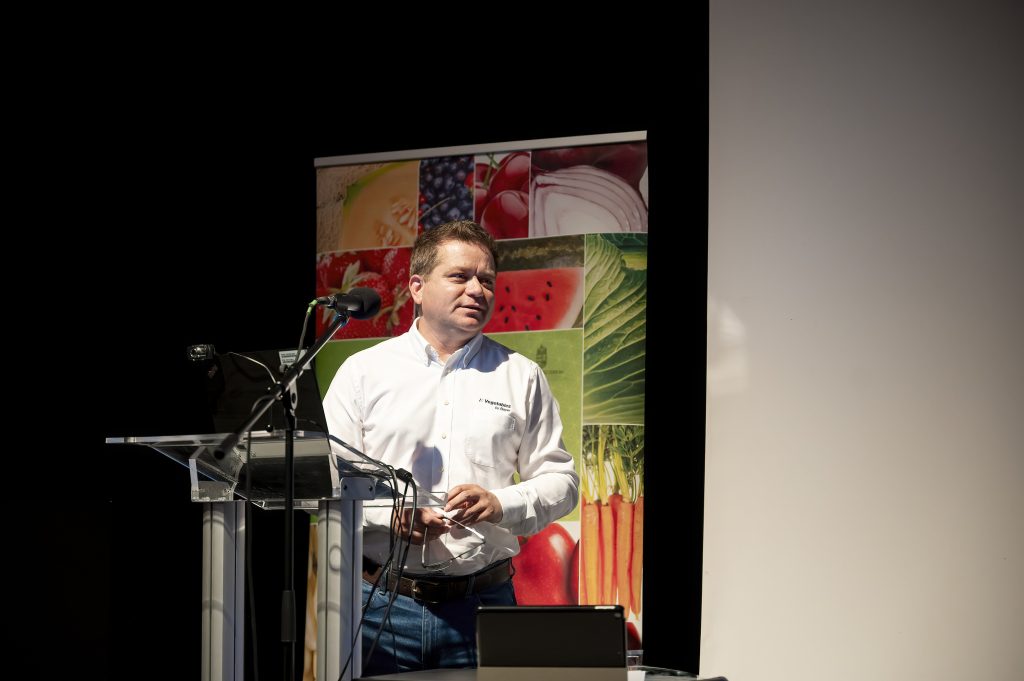
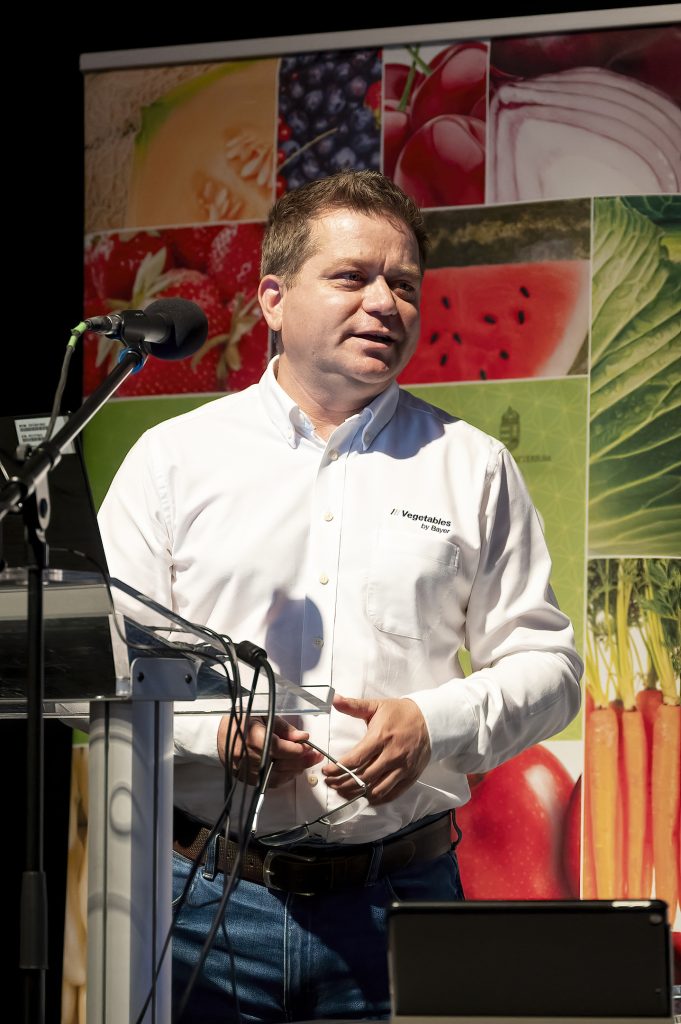
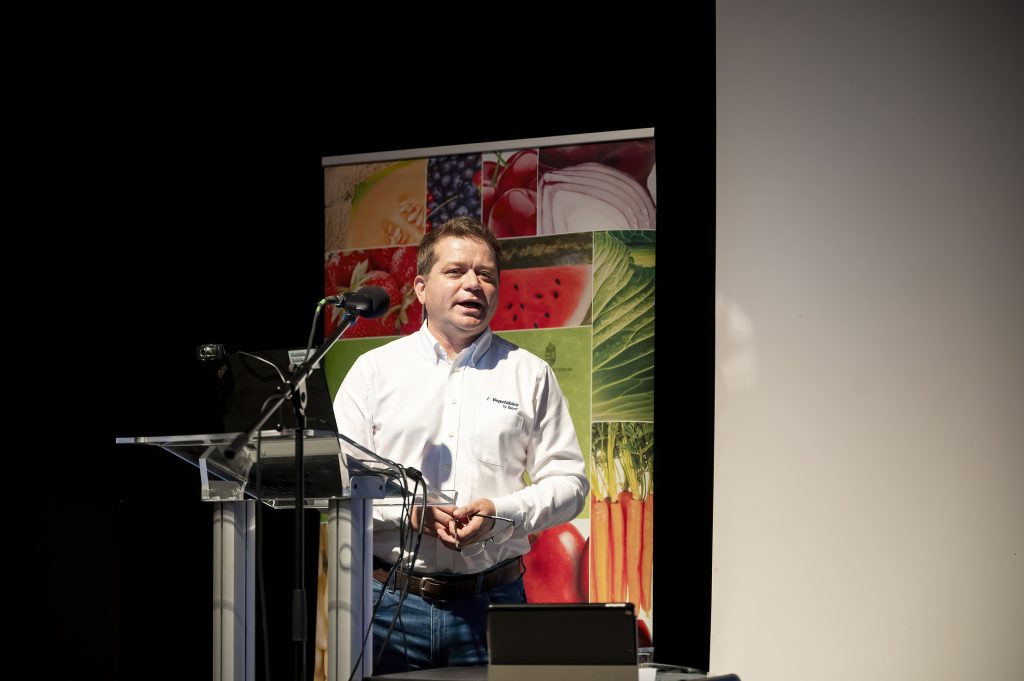
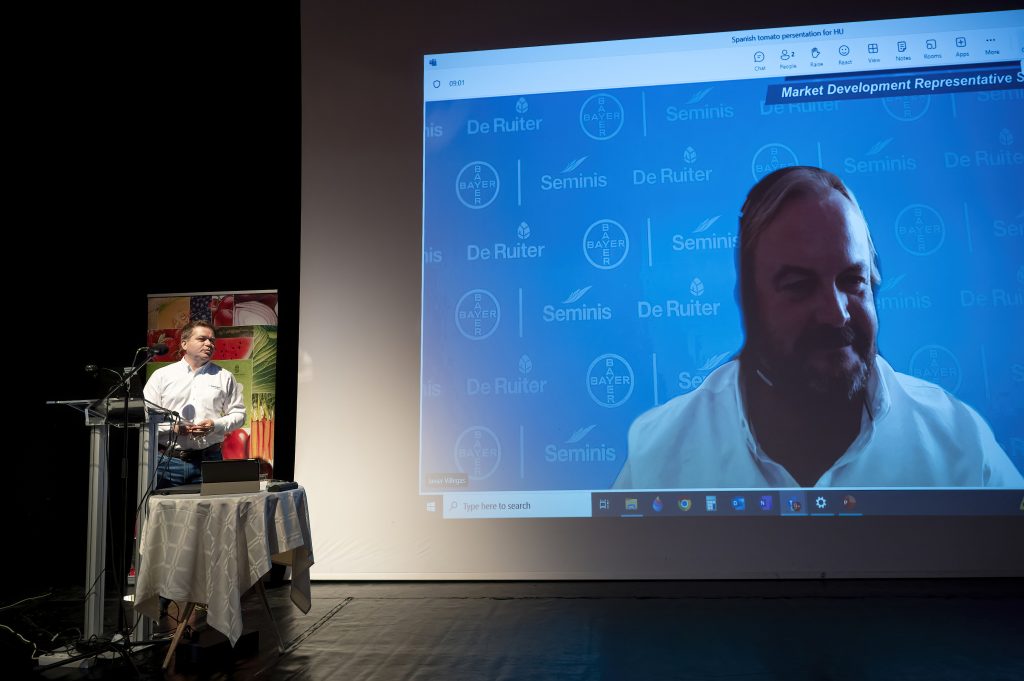
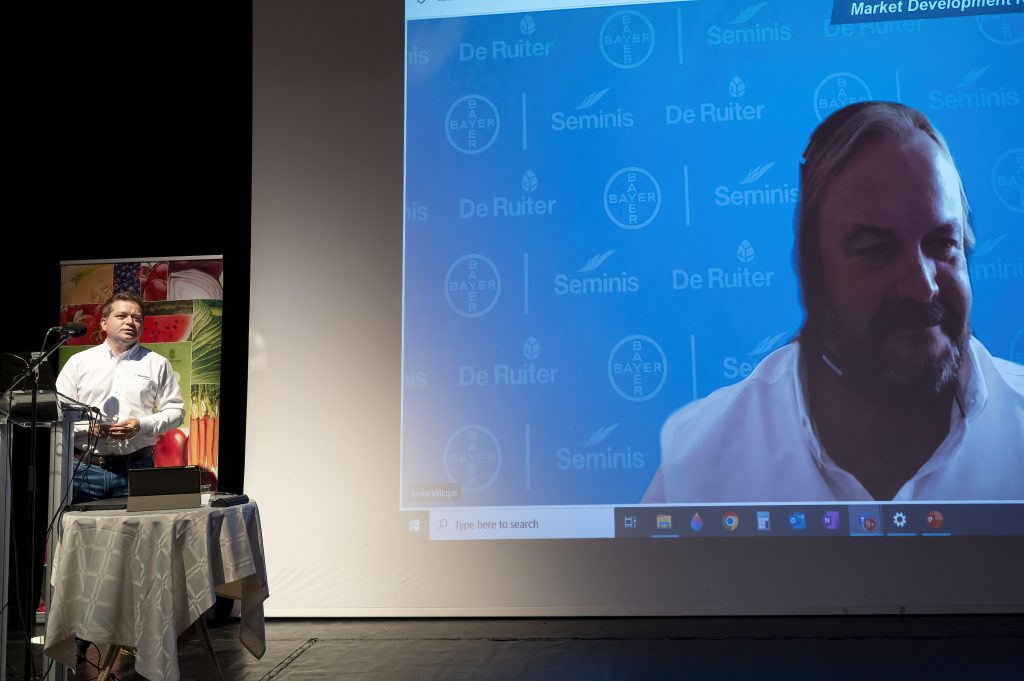
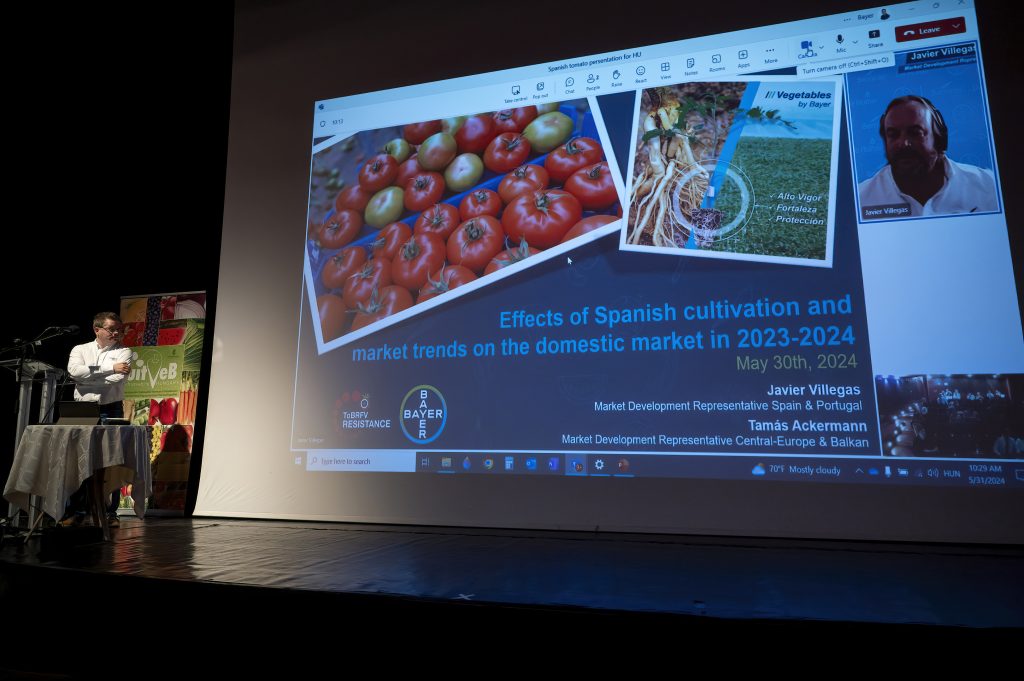
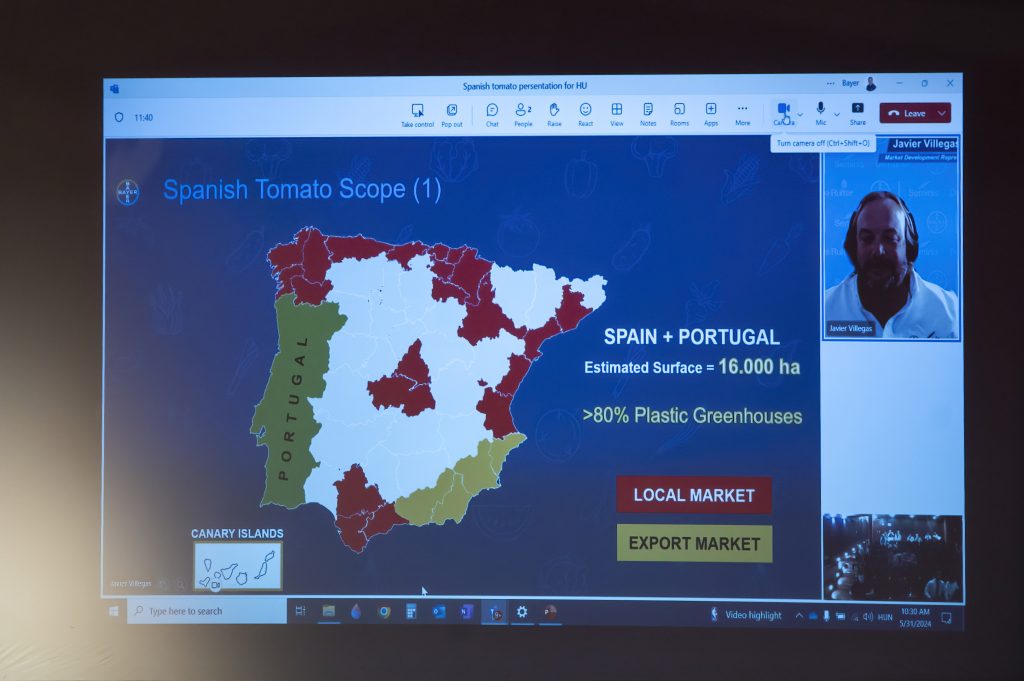
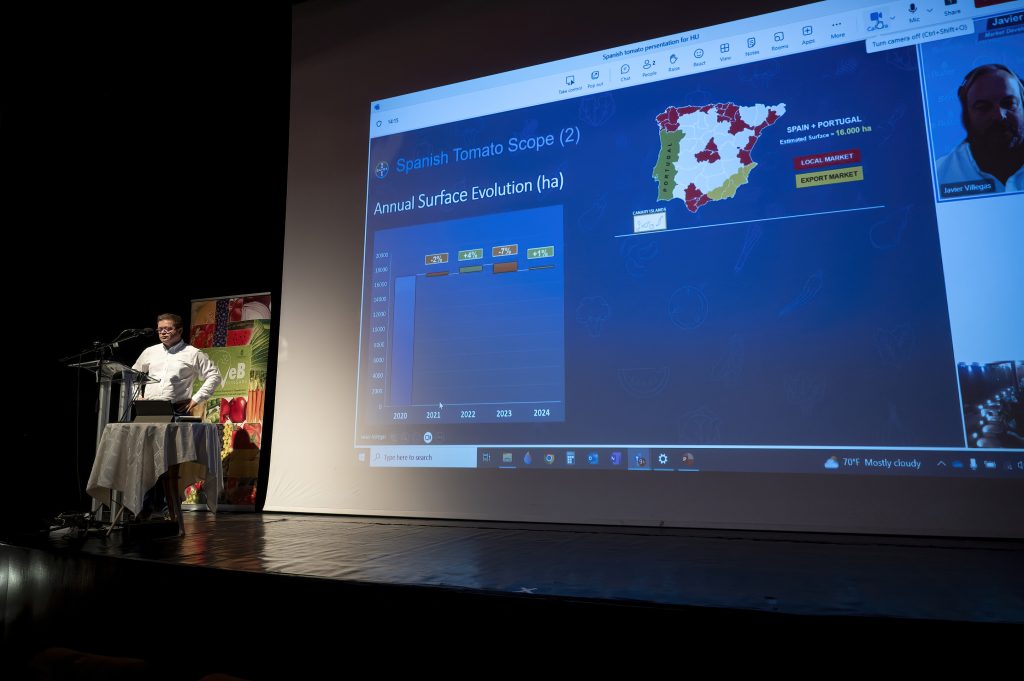
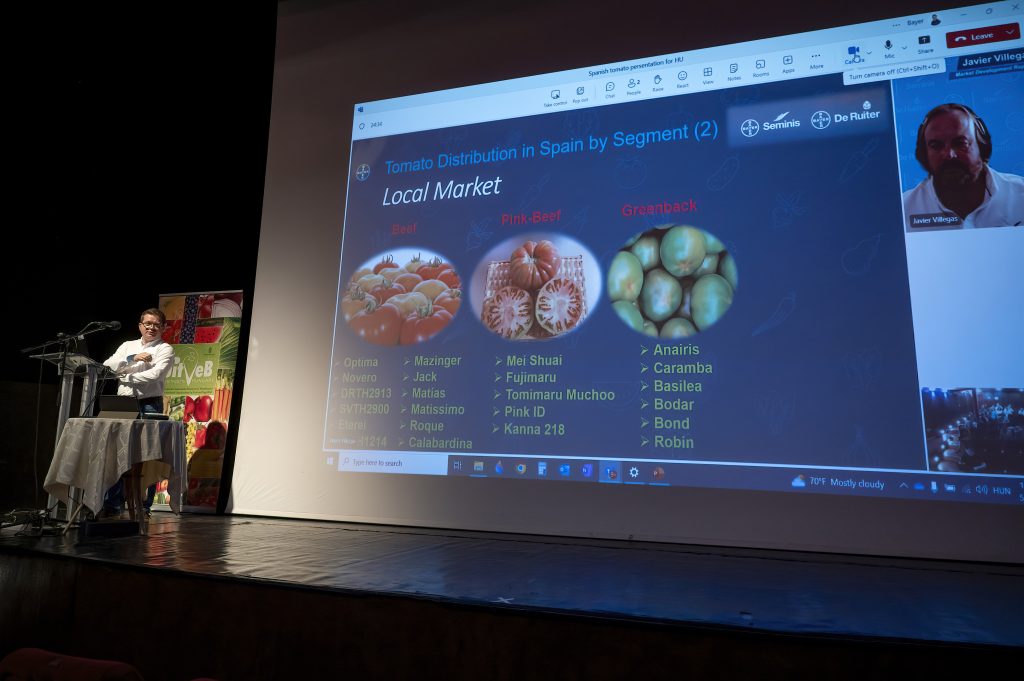
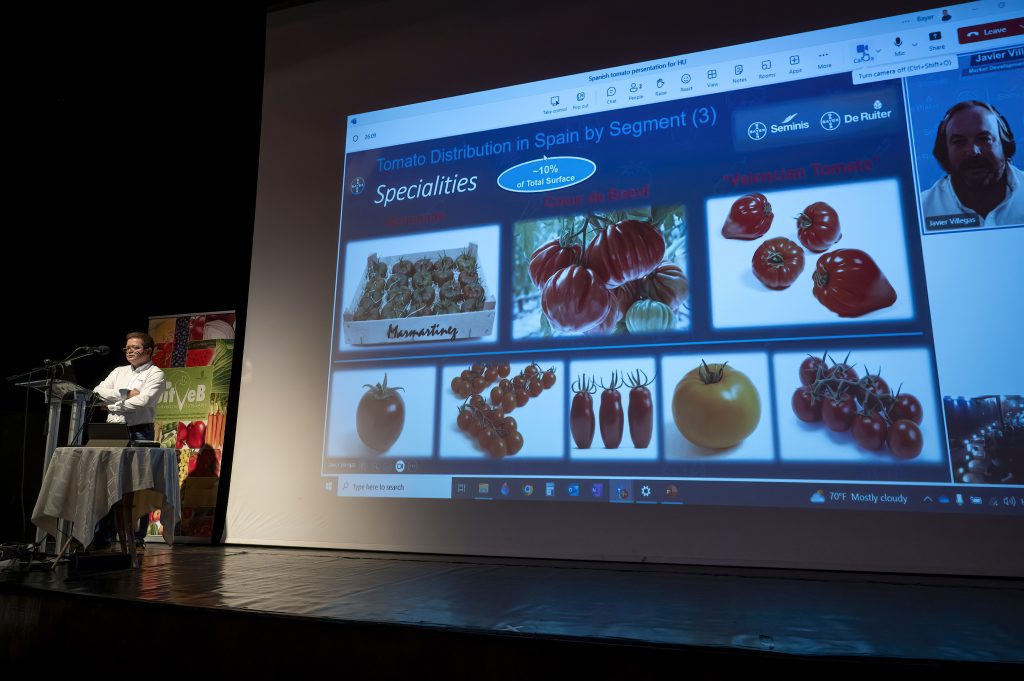
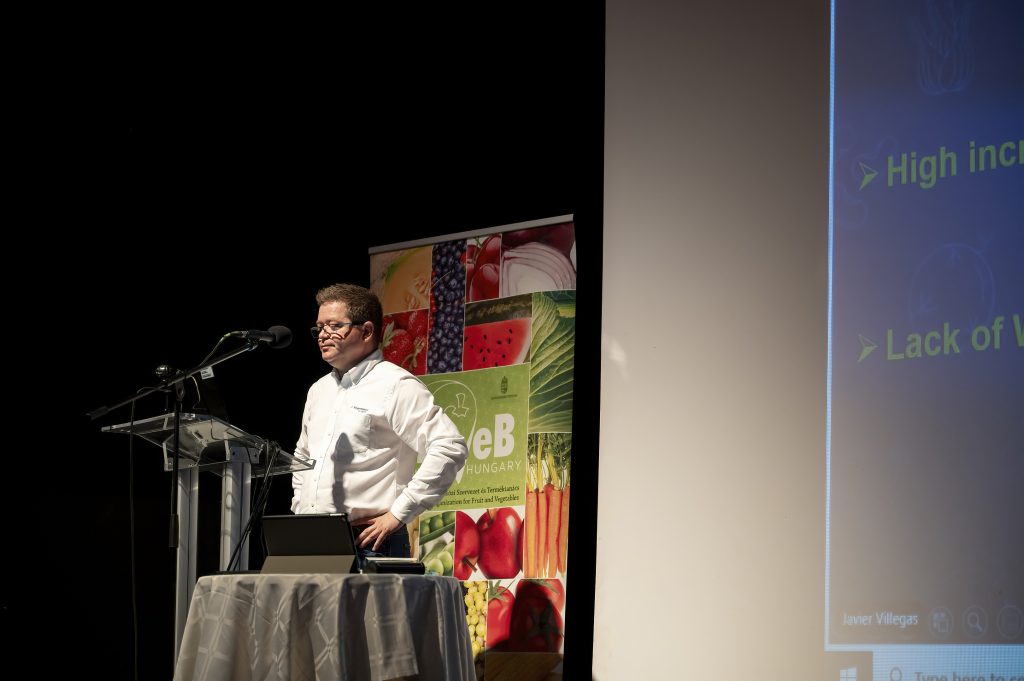
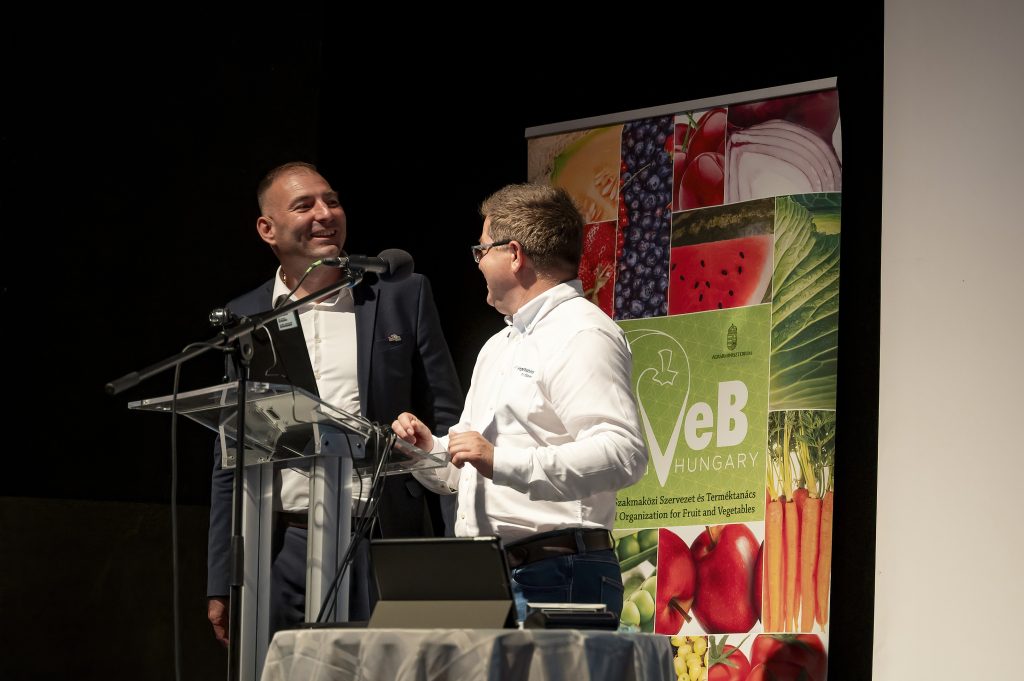
The first speaker to join the section was Javier Villegas, Regional Market Development Director for Southern Europe and North Africa at Bayer Vegetable Seeds, who delivered his online presentation titled ‘Development of Production and Sales in Spain in 2023–2024’ (made possible and interpreted by Tamás Ackermann, Director responsible for product development and 13 countries at Bayer Hungária Ltd.). He first outlined the main figures of Spanish and Portuguese tomato production (16,000 ha, with over 80% under plastic houses). Domestic markets are supplied primarily by the northern, southern, and eastern regions, while the southeastern region of Almería produces mainly for export. Cherry tomatoes account for 20% of the area; in Portugal, cluster‑harvested cherry varieties (Lupitas, SantaWest) are particularly popular, while in domestic markets the most common types are medium‑truss varieties up to 130 grams (Laujar, Ventero, Retinto, Mayoral, Durinta), medium‑saladette (plum‑shaped tomatoes up to 100 grams, premium quality, such as the Realeza variety), medium‑loose (medium‑sized, cluster‑harvested types with high uniformity and excellent postharvest characteristics, e.g. Bateyo). On Iberian markets, several specialty categories are also popular, such as beef tomatoes (220–250 grams, good flavor, Mazinger, Novero, Optima, Matías), pink beef (Mei Shuai, Fujimaru, Tomimaru Muchoo, Pink ID), greenback types (green‑shouldered tomatoes, which tend to burn under Hungarian conditions, such as Anairis, Caramba, Basilea, Bond, Robin), and large‑saladette (around 130 grams, grown on 150 hectares in Romania and consumed green, e.g. ZeroZero7). Among the specialties, Villegas highlighted the following varieties and groups: Marmande, Coeur de Boeuf, Valencian Tomato, mini San Marzano, Caprese, and black‑colored tomatoes. Rootstocks also play an increasingly important role in production year after year (Maxifort, Vitalfort, DR0141TX), as higher yields must be achieved on decreasing production areas. Rootstocks are particularly important for stress tolerance and fruit‑set ability, but ToBRFV is also among the reasons, as this virus is able to extract fewer nutrients from plants grafted onto stronger rootstocks. In the case of ToBRFV, vigor is nearly as important as resistance, because infection from the root system is more difficult. The main challenges of Iberian greenhouse tomato production are very similar to those in Hungary: wages and taxes have increased significantly, and available labor is scarce. Due to rising input prices, production costs have increased by 25% in recent years, while tomato prices have risen by only around 15%. Many growers in Spain planted later than usual — primarily due to summer heat — but this caused problems with end‑of‑season prices, so this strategy is expected to be less common in the coming years. ToBRFV is also a major issue, having begun to spread in Spain in 2021. The strongest competitors are the Maghreb countries (cheap labor, more lenient regulations on plant‑protection products), with Morocco standing out in particular due to its winter production and export‑oriented focus.
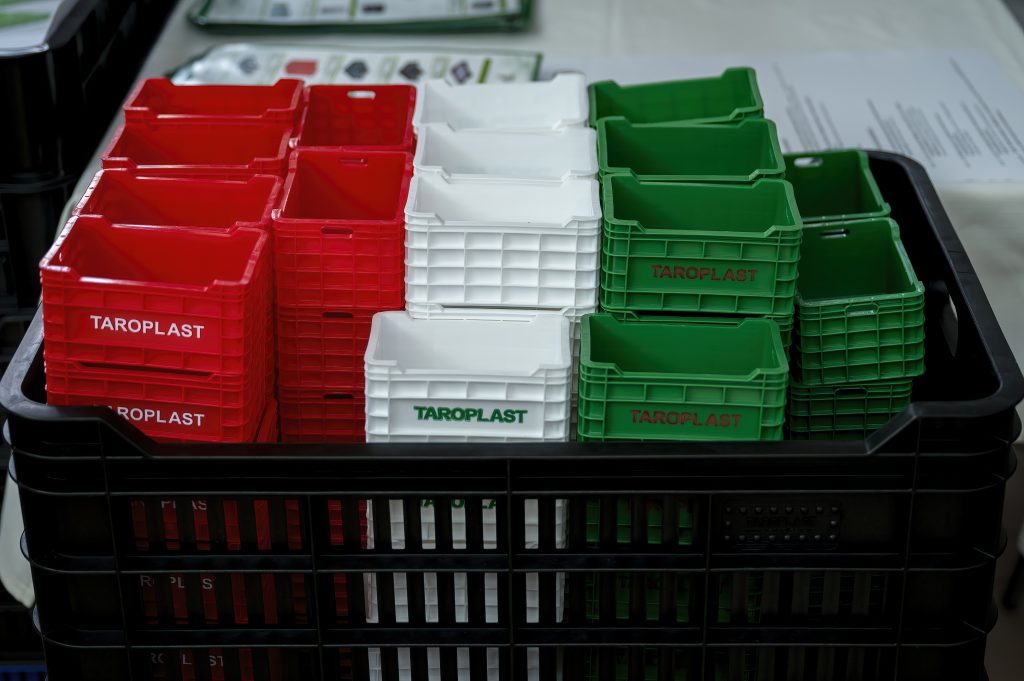
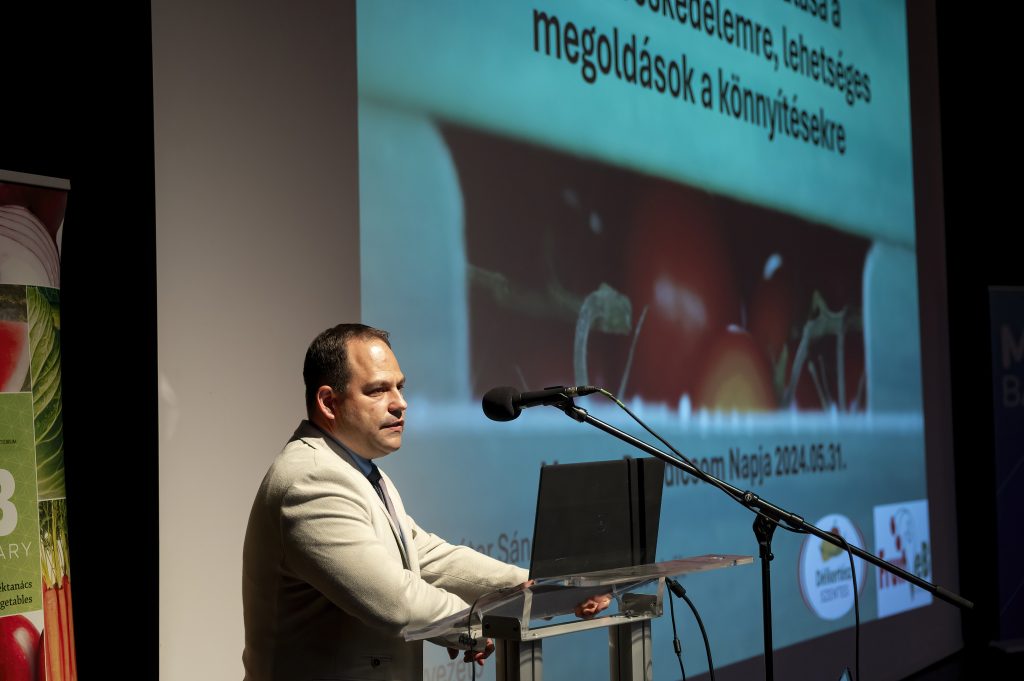
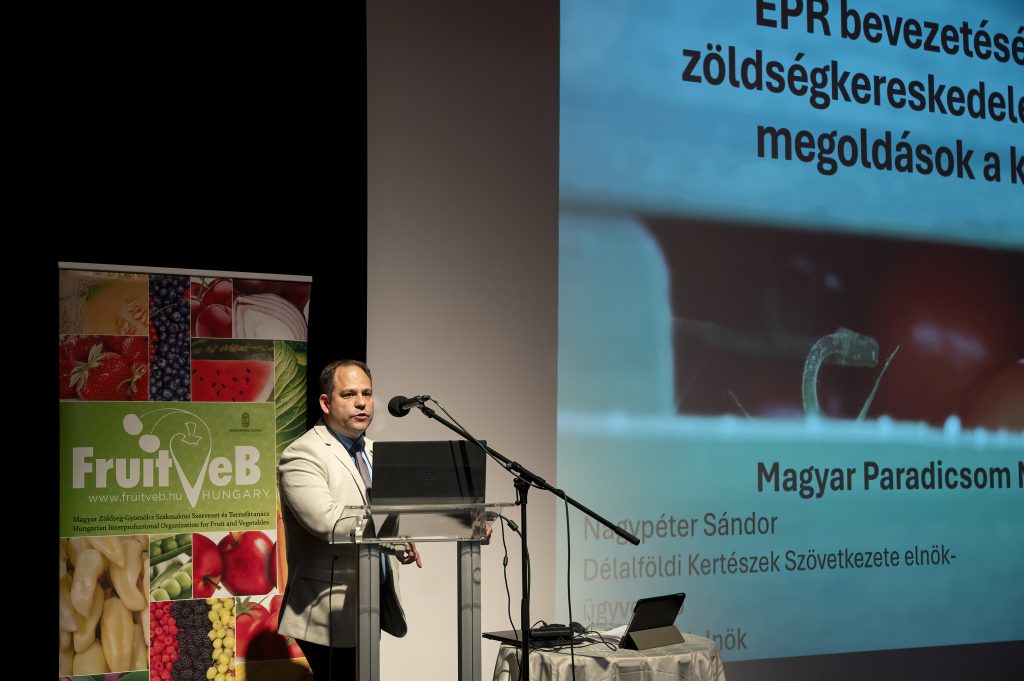
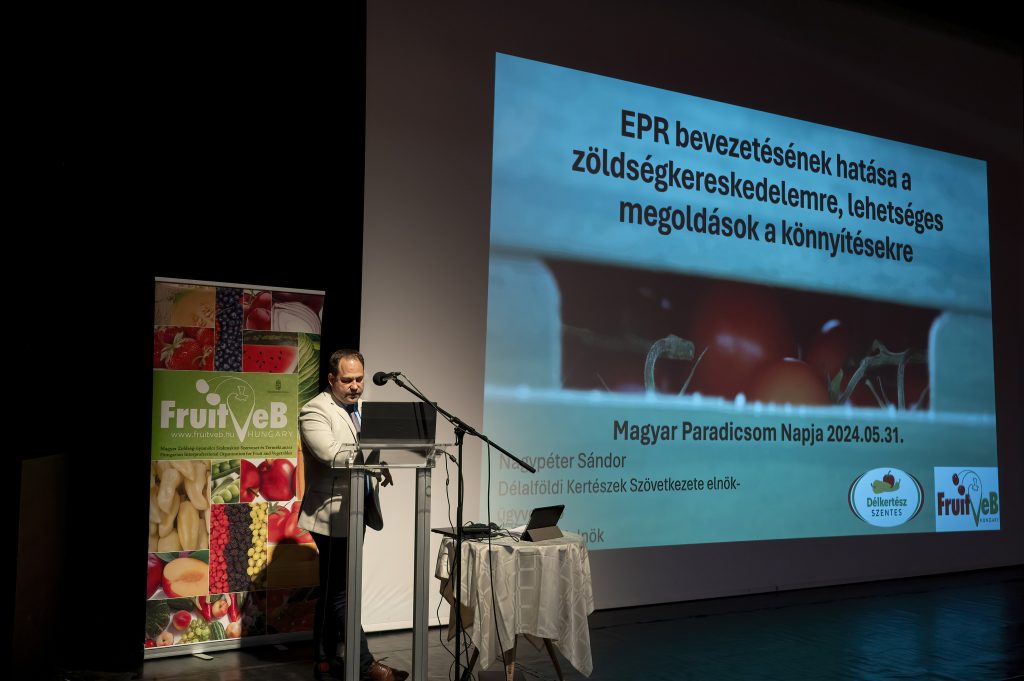
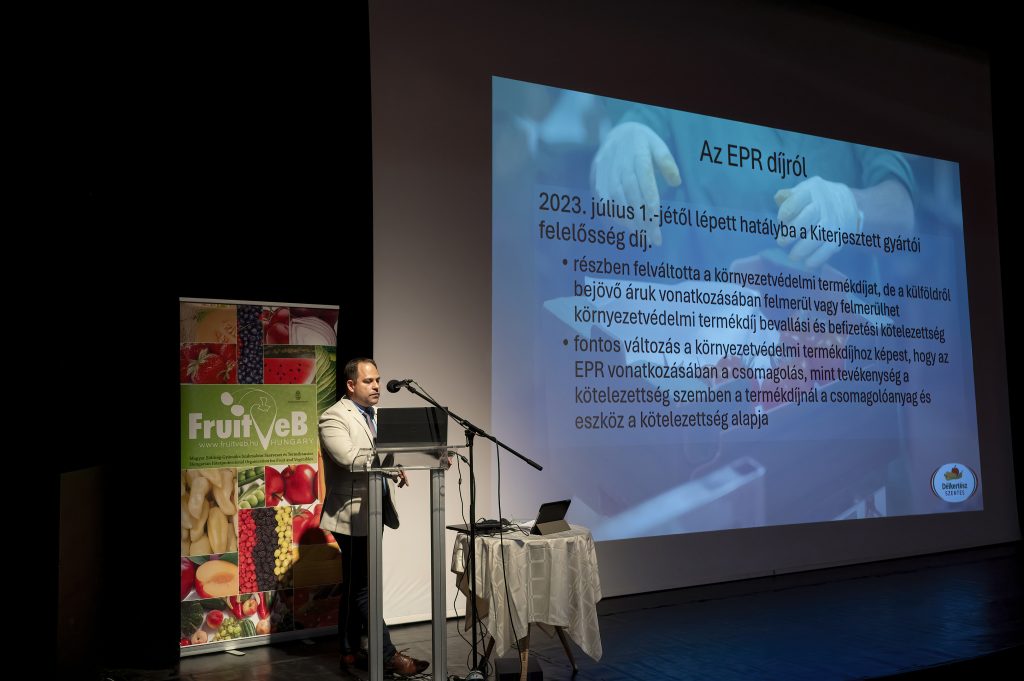
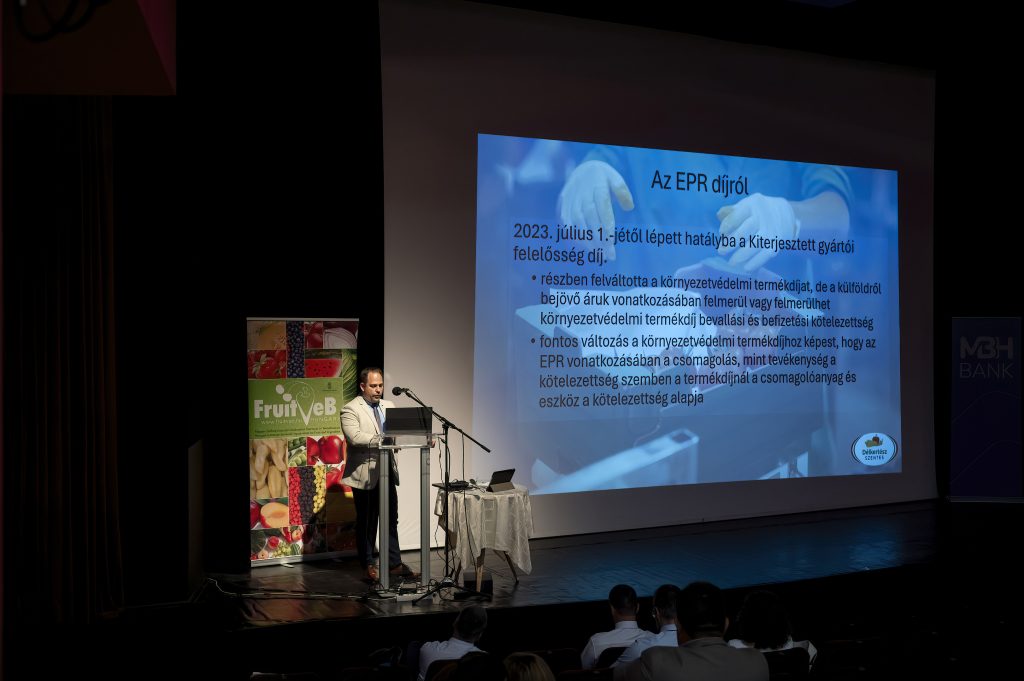
The second speaker in the block was Sándor Nagypéter, Vice President of FruitVeB and President of the DélKerTÉSZ Cooperative, who delivered his presentation titled ‘Impact of the Introduction of EPR on Vegetable Trade and Possible Solutions for Relief.’ He outlined the EPR and KTD fee structures and the scope of obligated parties. As an example, he noted that a cardboard box already qualifies as packaging, with a fee of 173 HUF, which — calculated for 5 kg — means nearly 35 HUF/kg compared to the previous environmental product fee of 2 HUF/kg. Fortunately, the possibility of fee assumption has been introduced in the EPR regulation — an achievement of the professional organizations — meaning that every primary producer who supplies goods is considered to be performing packaging (as a producer of a circular product, i.e. the primary packager), and therefore the distributor may assume this fee from the producer. For foreign sales and chain transactions, EPR obligations no longer apply as of 2024, but these fee structures encourage free‑rider behavior at the European level as well. This is problematic because obligations are priced based on the number of participants. It would likely be more appropriate if the obligation were tied not to the packaging activity but to the packaging material itself — fee structures would change immediately, and enforcement would be easier — and FruitVeB intends to work toward this, also to reduce the excessive administrative burden on small‑volume producers. Current domestic regulations do not distinguish between transport packaging and consumer packaging — whereas, for example, in Austria it makes a significant difference whether the packaging ends up in household waste or remains as waste at the retail chain. At the same time, consumer packaging fees in Austria are higher, even by 40–50%, while transport packaging is much cheaper (around one‑fifth of the Hungarian fee). Moreover, Austria applies different fee structures for biodegradable packaging materials, while Hungary has no such incentive — costs are simply built into prices, although they should instead be reflected in the fee structure. Another beneficial solution would be the introduction of sector‑specific concessions — a system already in place in Austria.
III. PROFESSIONAL AND INNOVATION SECTION
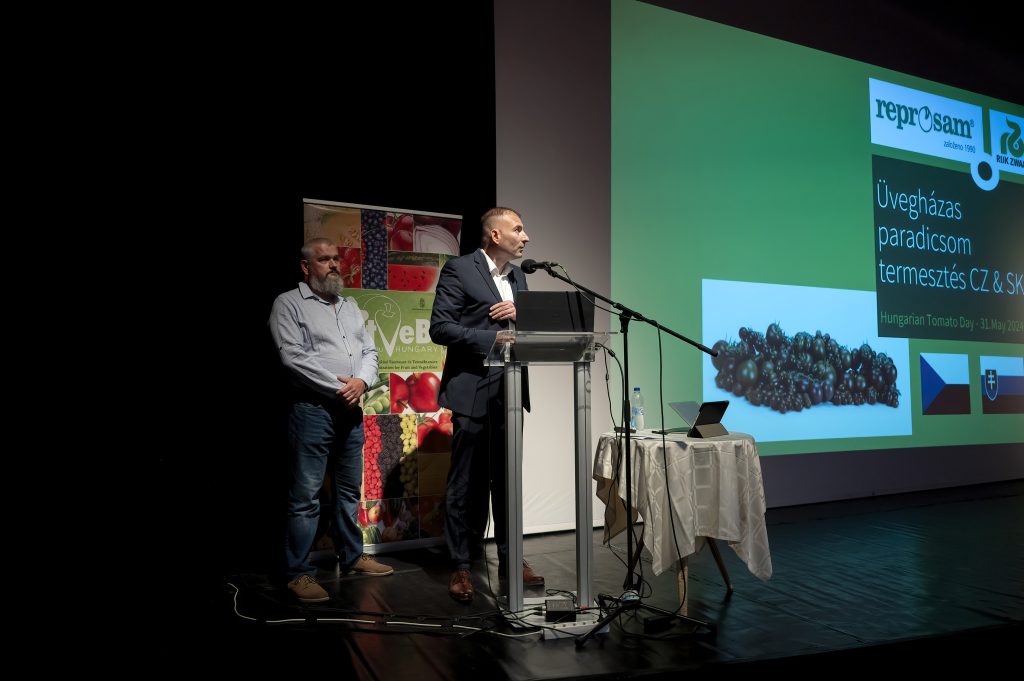
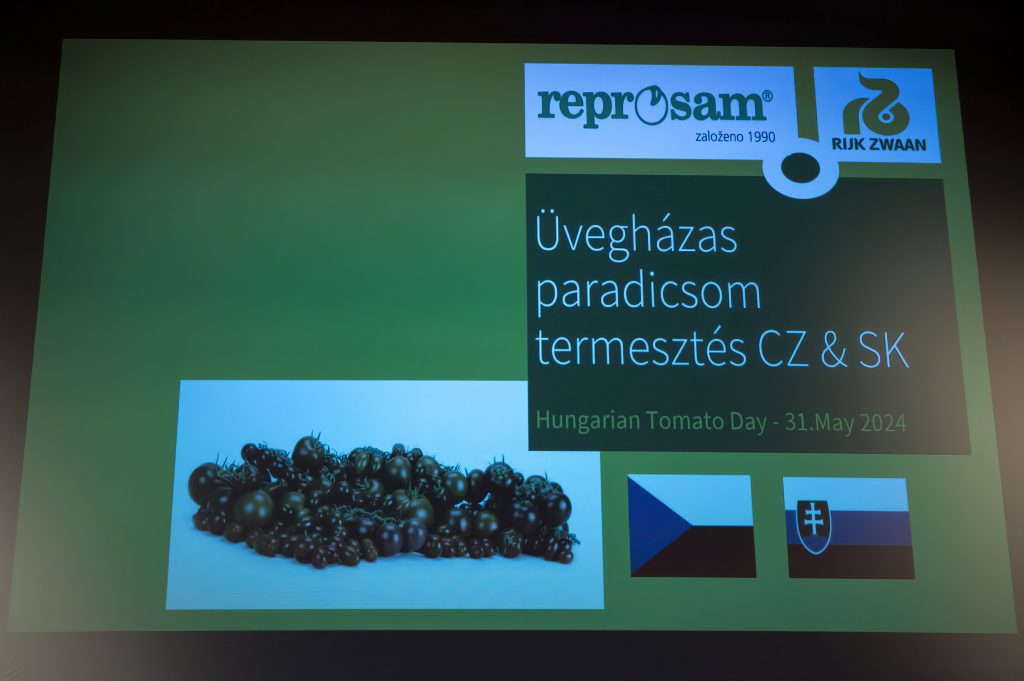
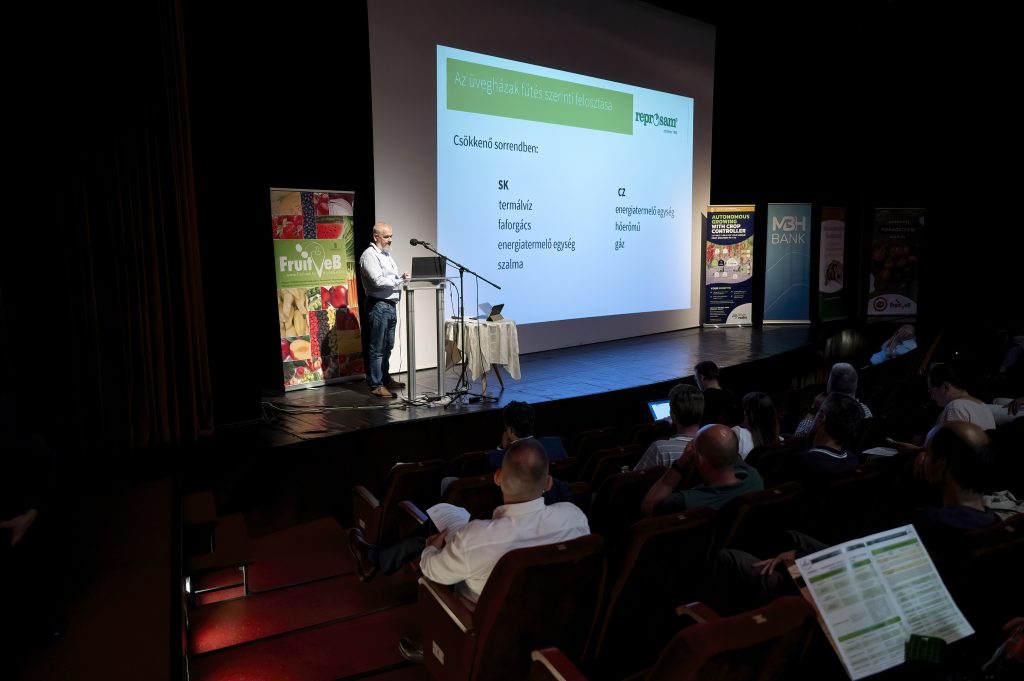
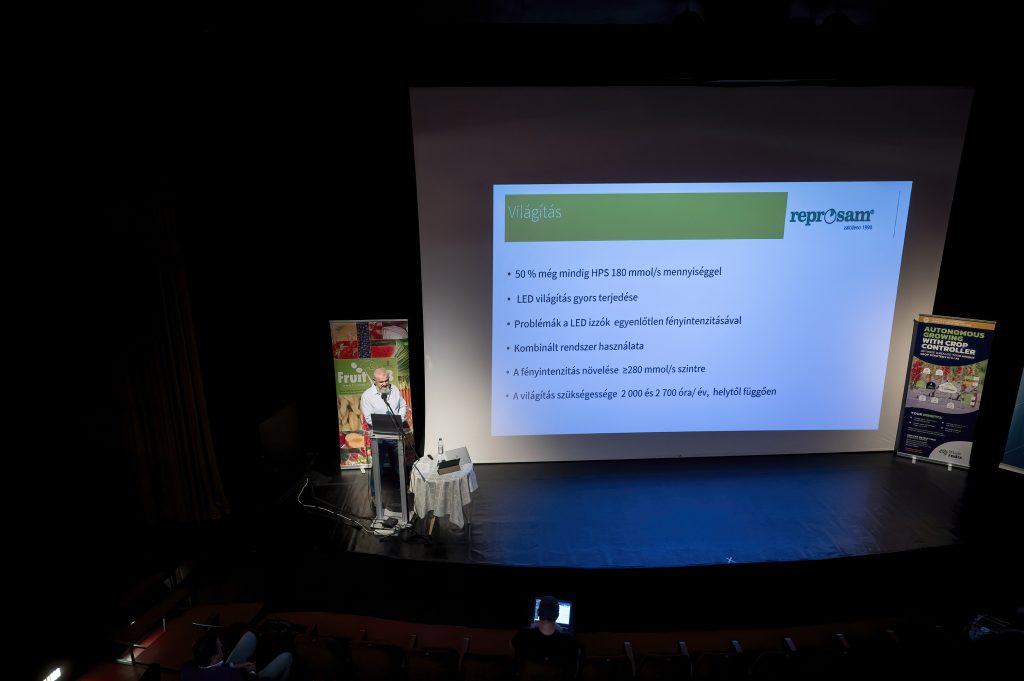
Following the coffee break, the first presentation was delivered by Lubomir Sléger, Production Director of Reprosam s.r.o., titled ‘Current State of Czech and Slovak Tomato Production, Presentation of Developments, and Managing Challenges Caused by the ToBRFV Situation.’ He presented the production area data of the Czech Republic and Slovakia. In Slovakia, illuminated greenhouse areas began to expand rapidly after 2015. A similar expansion occurred in the Czech Republic, where until 2015 only old greenhouses (built before 1989) were in operation. In 2015, intensive development also began there, but this came to a halt in 2023–24, and currently no new calls for proposals are available. In Slovakia, thermal water is used in many production areas, whereas the Czech Republic lacks this advantageous energy source (many greenhouses use gas‑powered electricity generators, where the heat is directed into the greenhouses and the electricity is sold). In the Czech Republic, river water is often used for irrigation, which is problematic, while Slovakia has groundwater resources. In our northern neighbor, 50% of the workforce is local. Lighting is now predominantly LED‑based, but uneven light intensity remains a significant issue. ToBRFV appeared in the country in 2020, and currently 50% of the crops consist of resistant varieties, as retail chains offer year‑round contracts and production cannot be jeopardized. Producer cooperation would be essential, as fragmented Slovak growers cannot negotiate with retail chains from an equal position. Interestingly, test purchases conducted in retail chains show that Czech tomatoes are always the most expensive in Slovak stores, while Hungarian tomatoes are the cheapest.
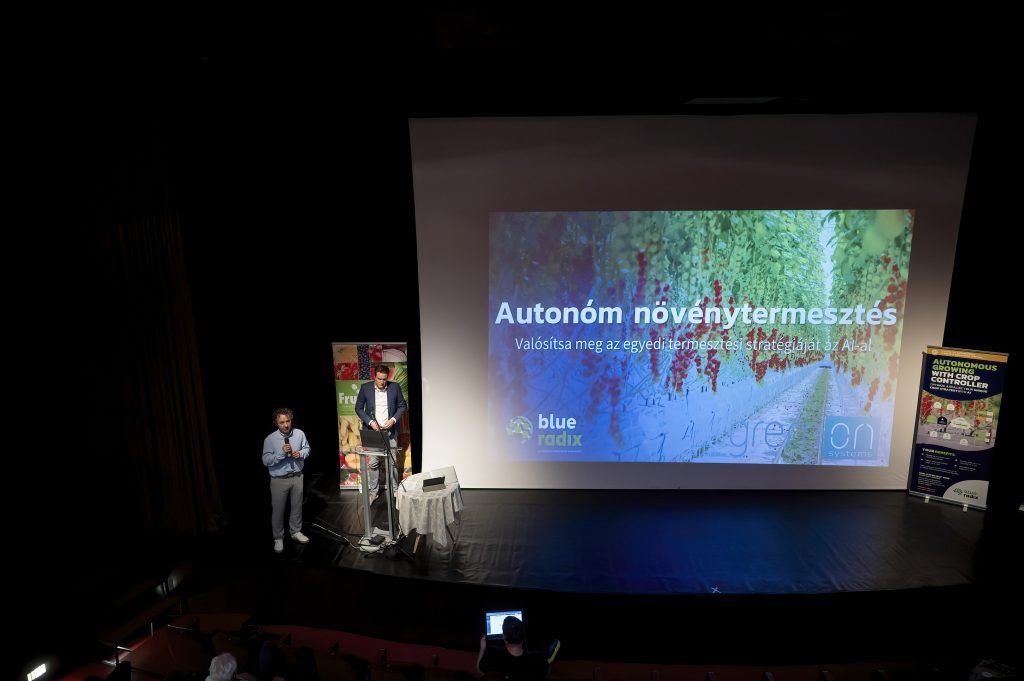
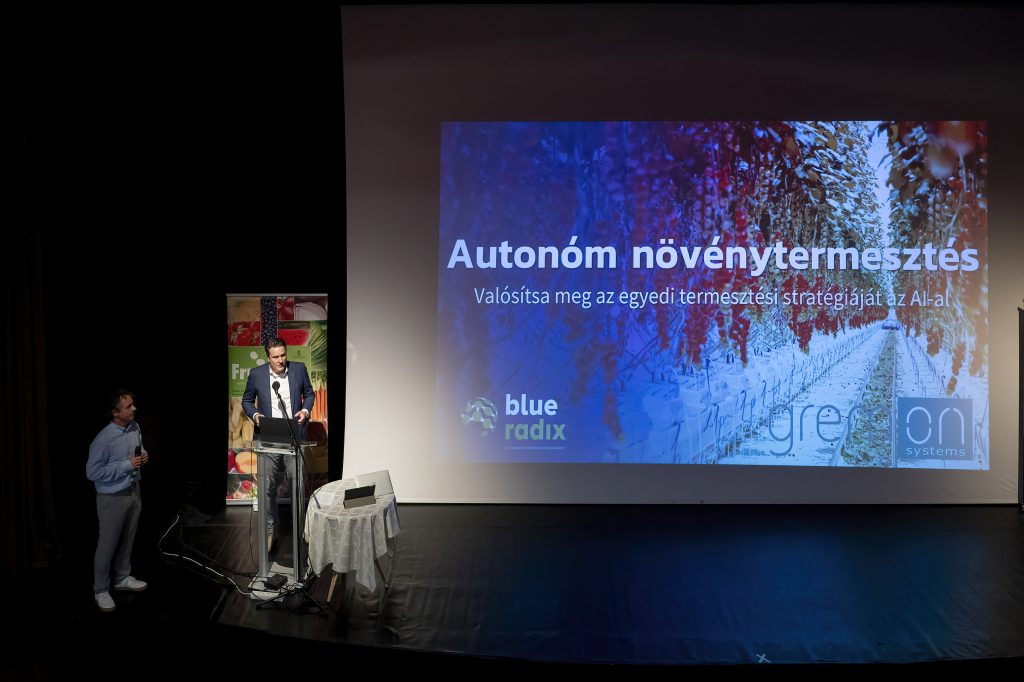
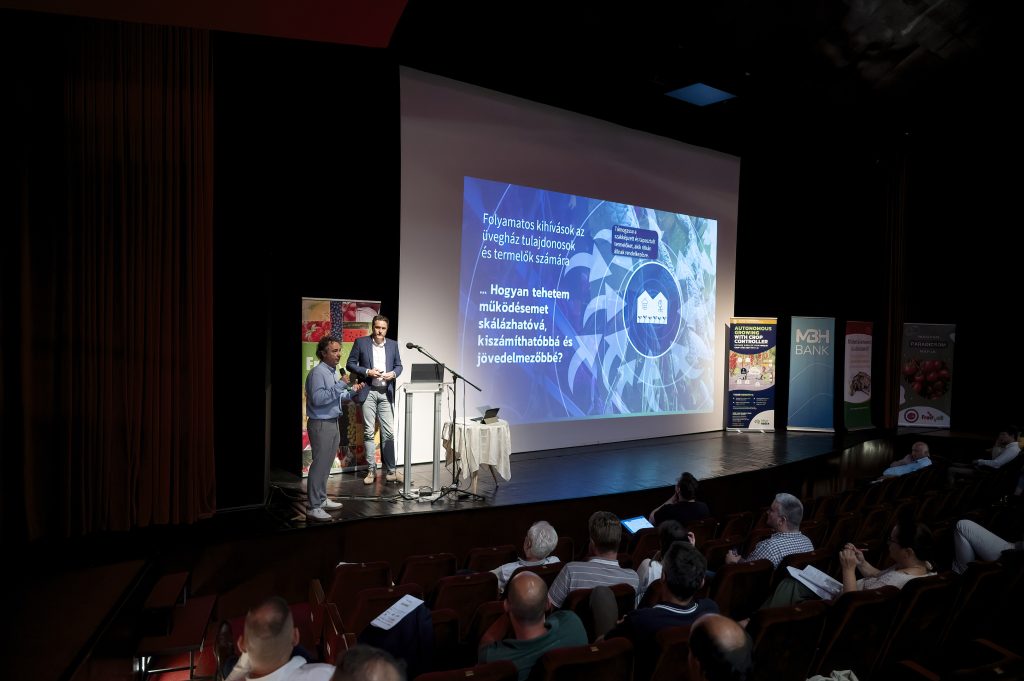
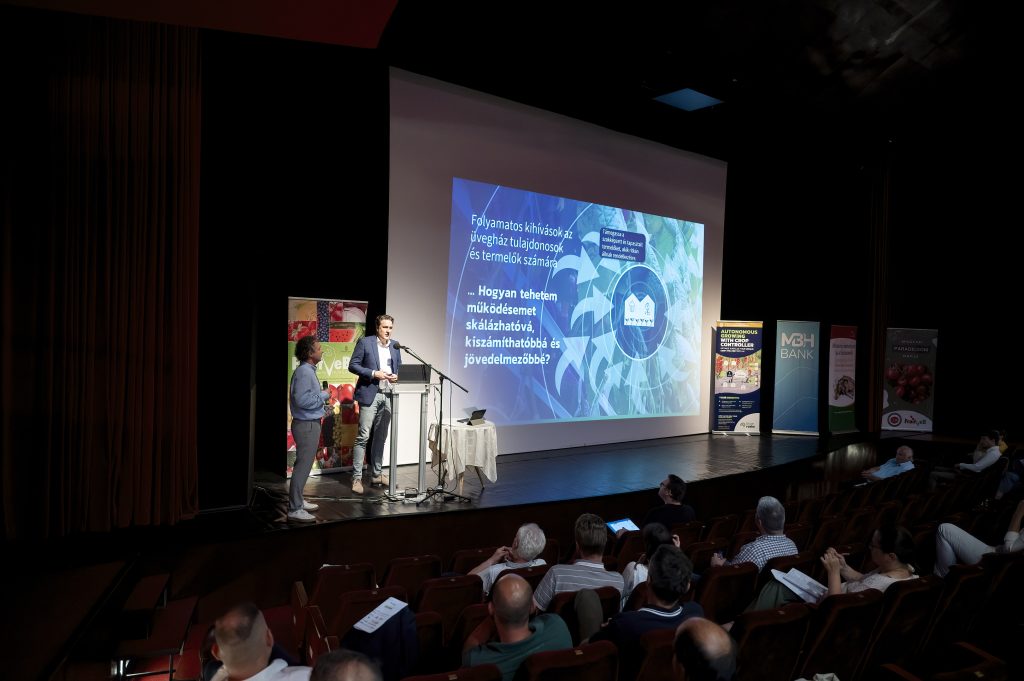
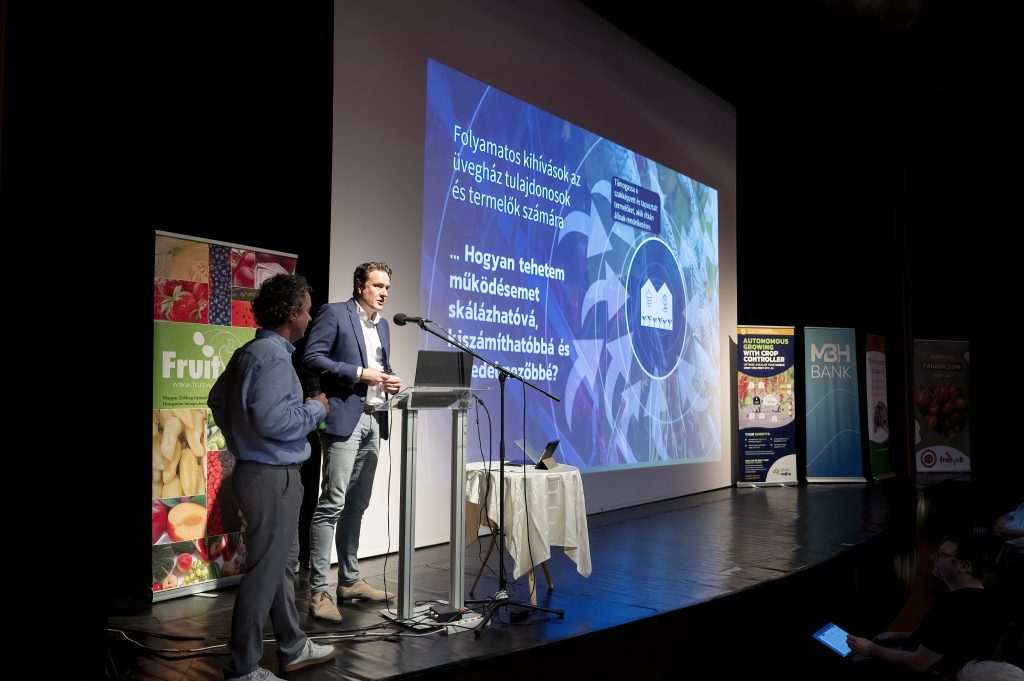
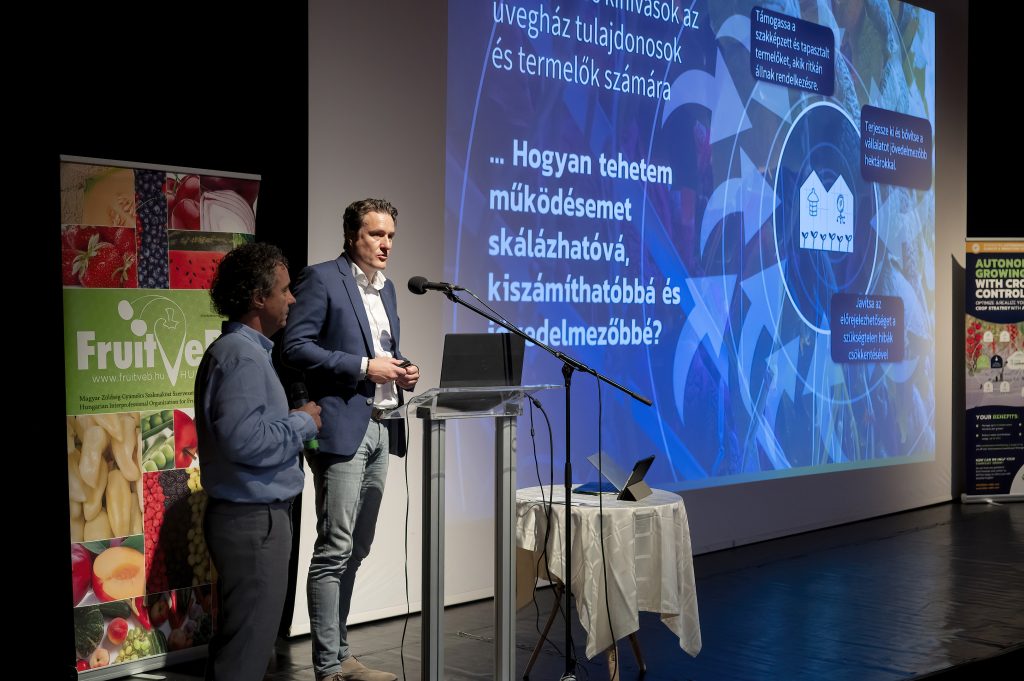
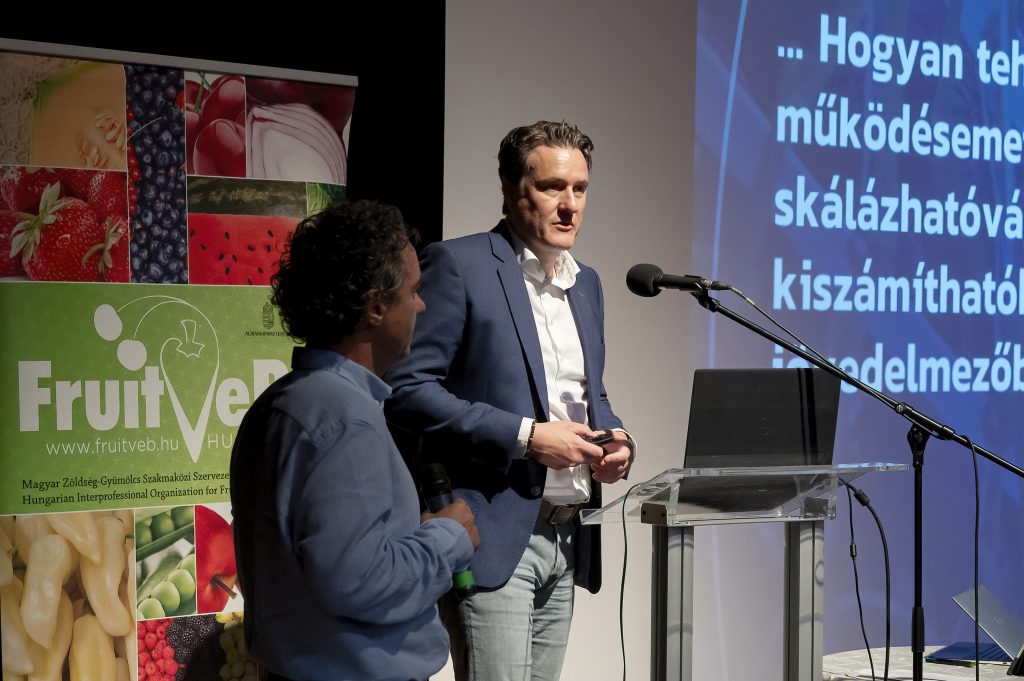
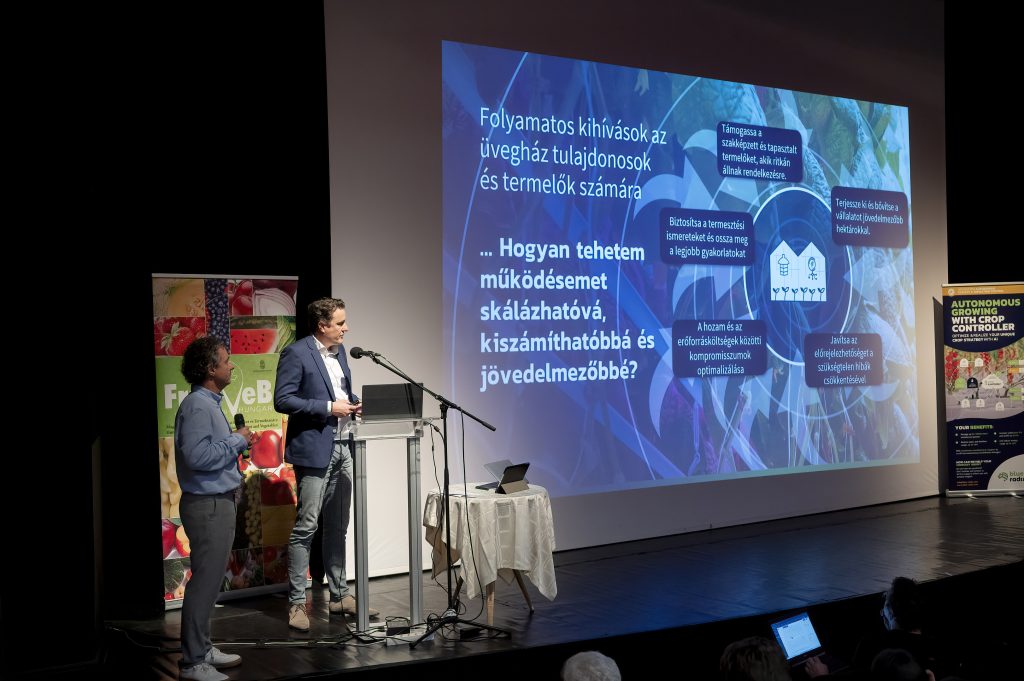
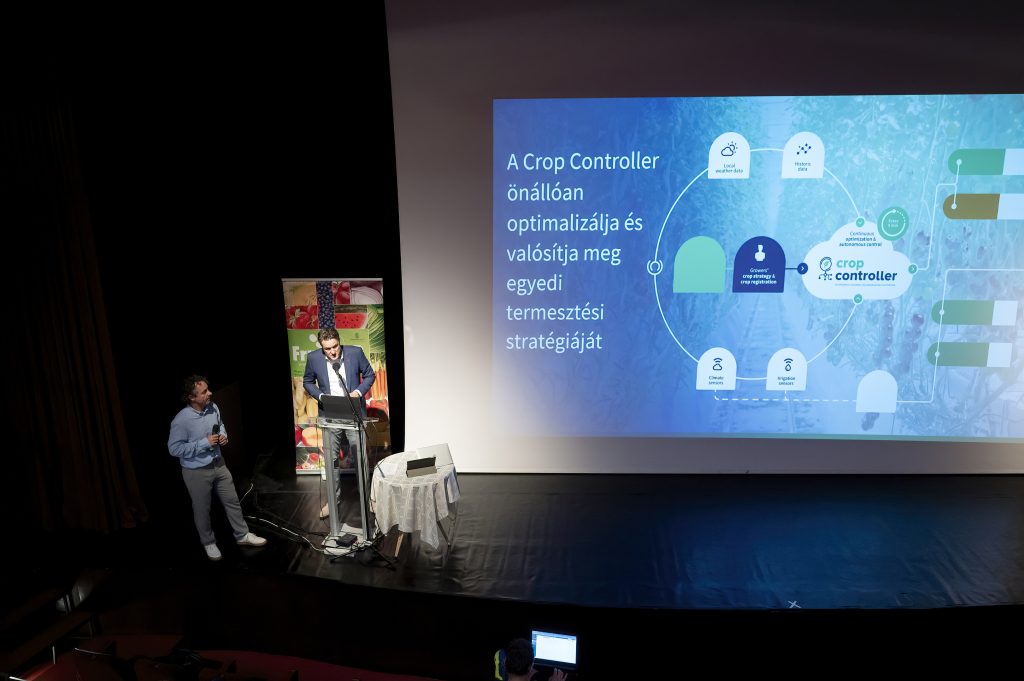
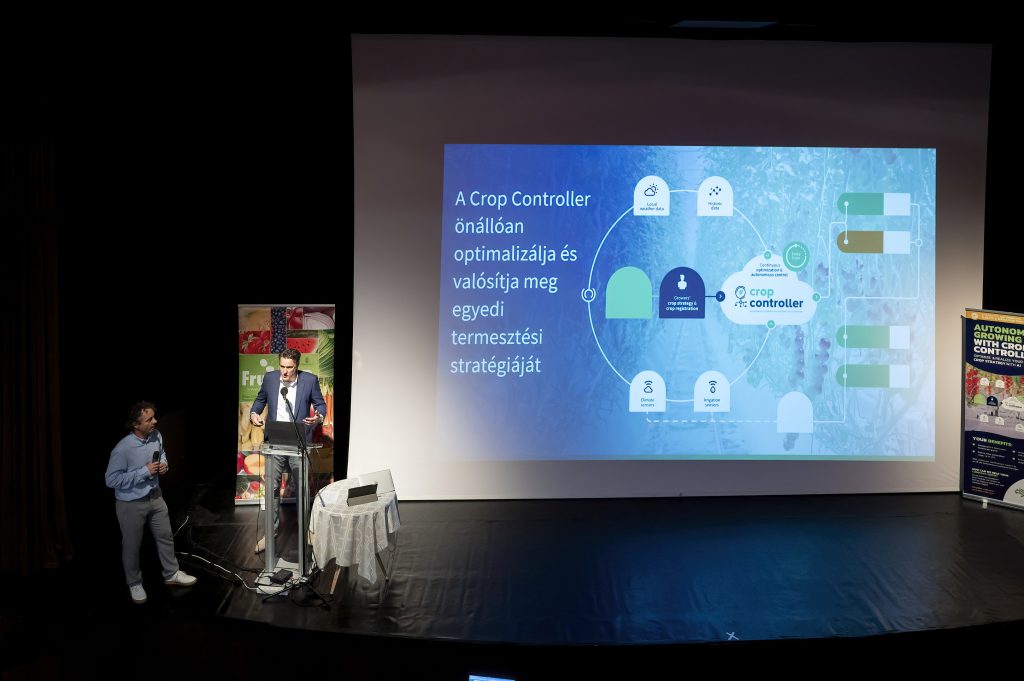
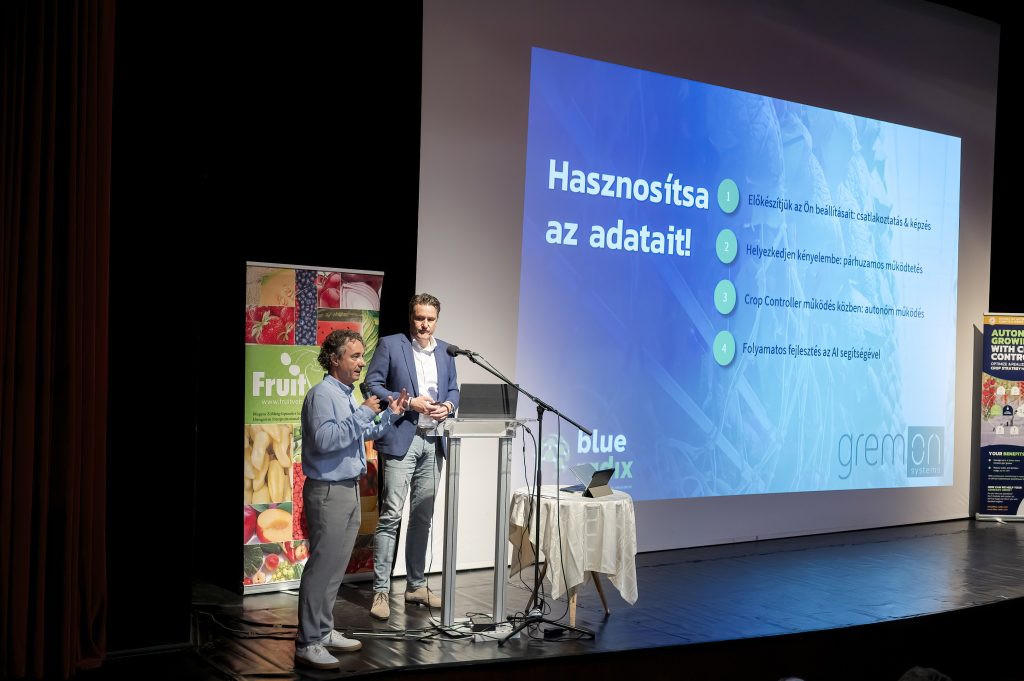
The next presentation was given by Ronald Hoek, an expert from Blue Radix B.V., the market leader in autonomous cultivation in the Netherlands, titled ‘AI — Artificial Intelligence in Climate Control and Greenhouse Consultancy.’ He provided an overview of AI‑based systems already in operation. Gremon had previously participated in Wageningen University’s Autonomous Greenhouse Challenge, while Blue Radix focuses on climate control. (We regularly report on these competitions on our website: Smart Agriculture Competition: tomato‑growing contest in an autonomous greenhouse; Artificial intelligence in greenhouse tomato production.) Artificial intelligence and the applied algorithms are used primarily in irrigation and climate control. Blue Radix, with 11 years of experience, manages a total of 1,900 hectares across more than 70 growers’ greenhouses, and 35 of its employees have AI or IT qualifications — they are also among the top three innovative products at the GreenTech exhibition in Amsterdam, held June 11–13. They do not work independently but in cooperation with data‑management and evaluation companies such as Gremon and Priva. Ronald Hoek presented the five fundamental levels and steps of decision automation, as well as the operation and applicability of the Crop Controller system. Gremon’s development, the Trutina system, was also mentioned; it provides insights into plant behavior based on sensor‑measured data (biomass, etc.).
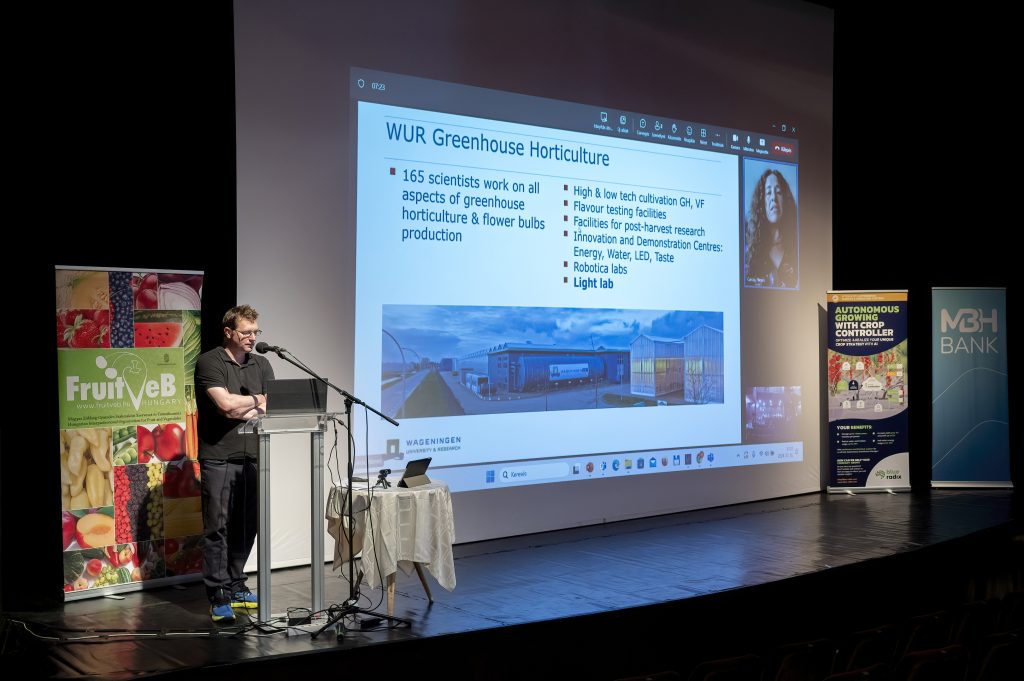
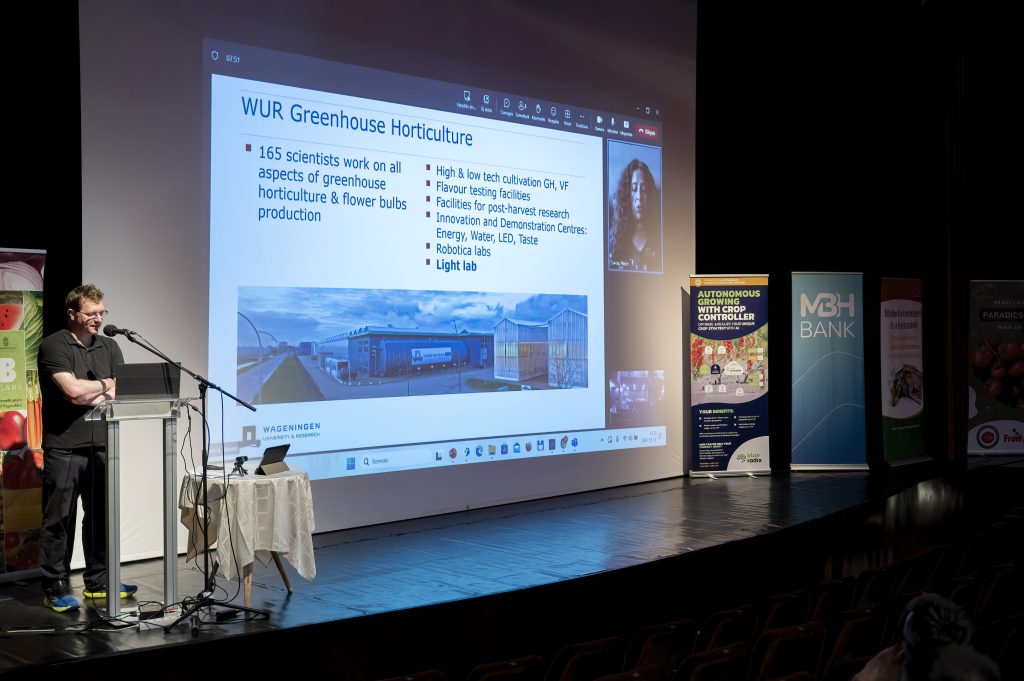
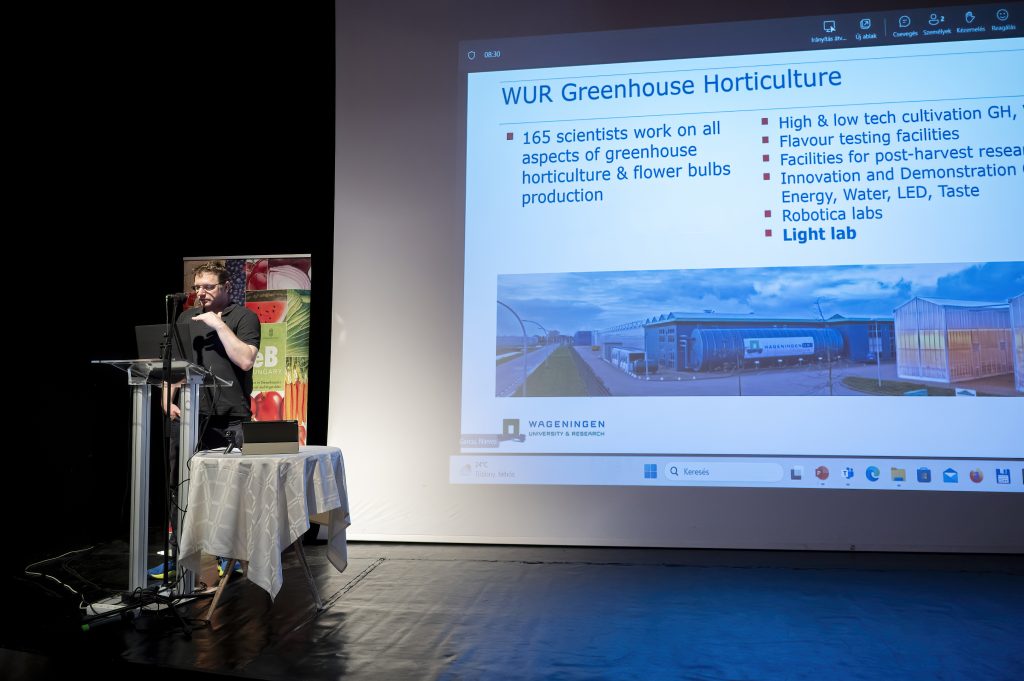
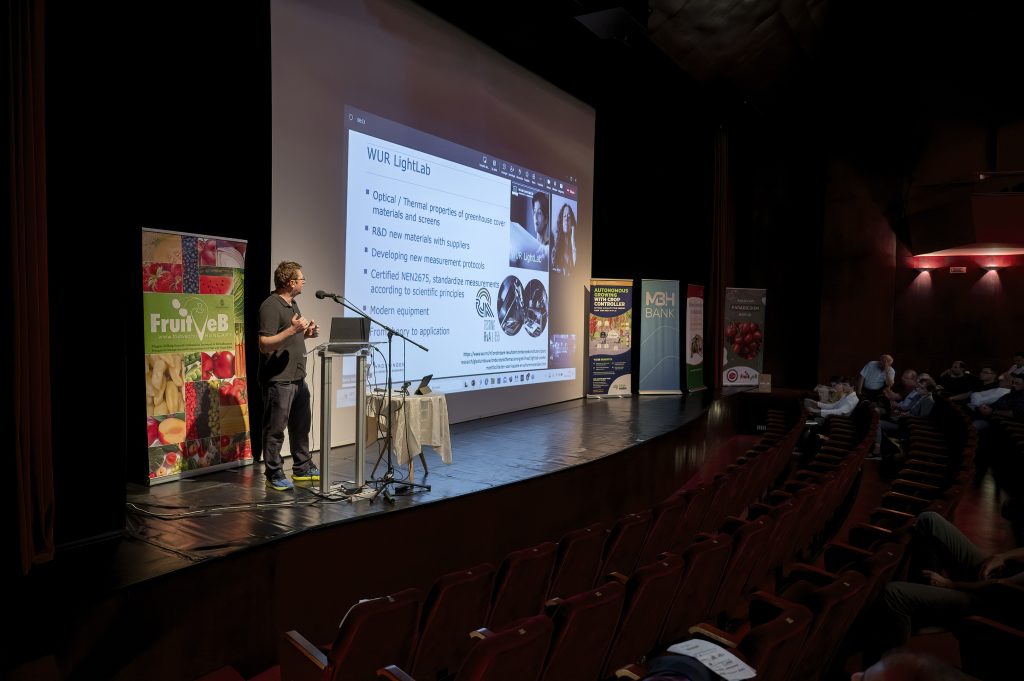
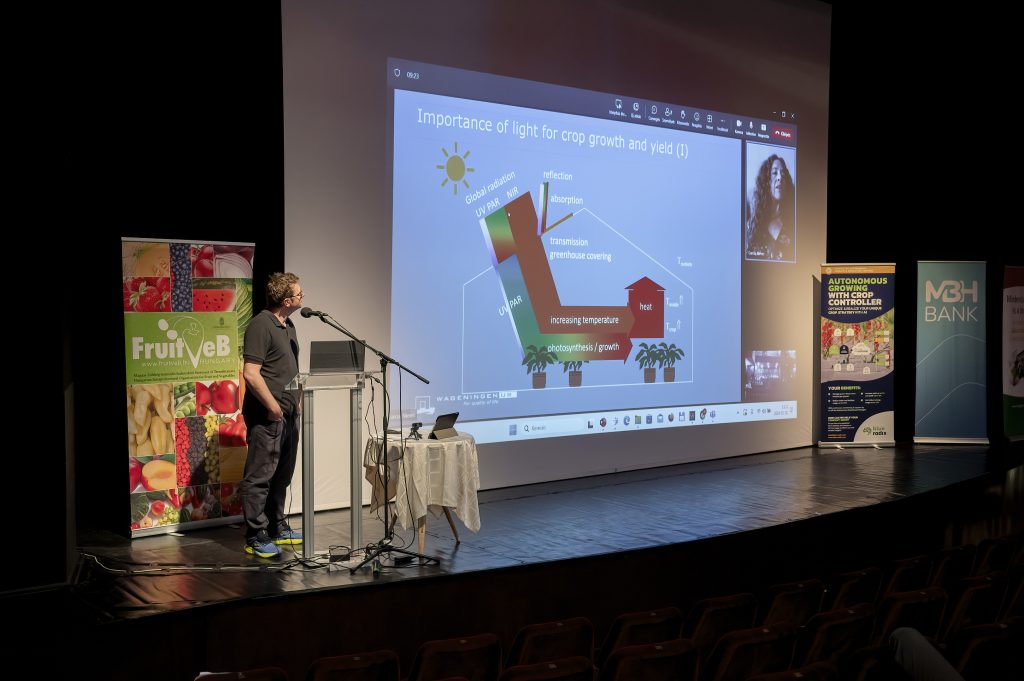
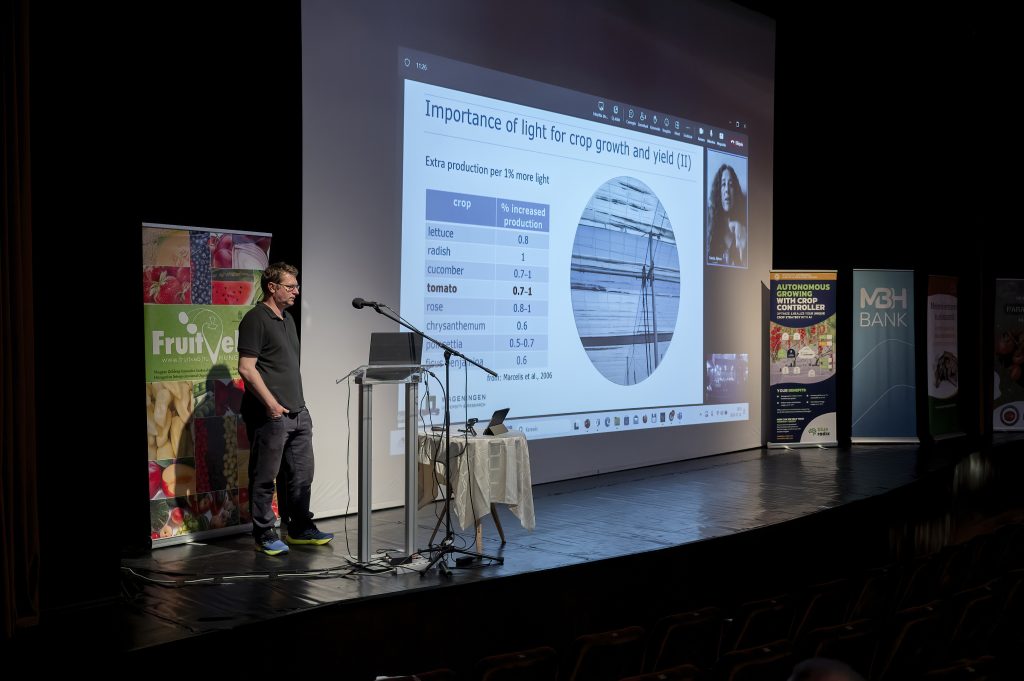
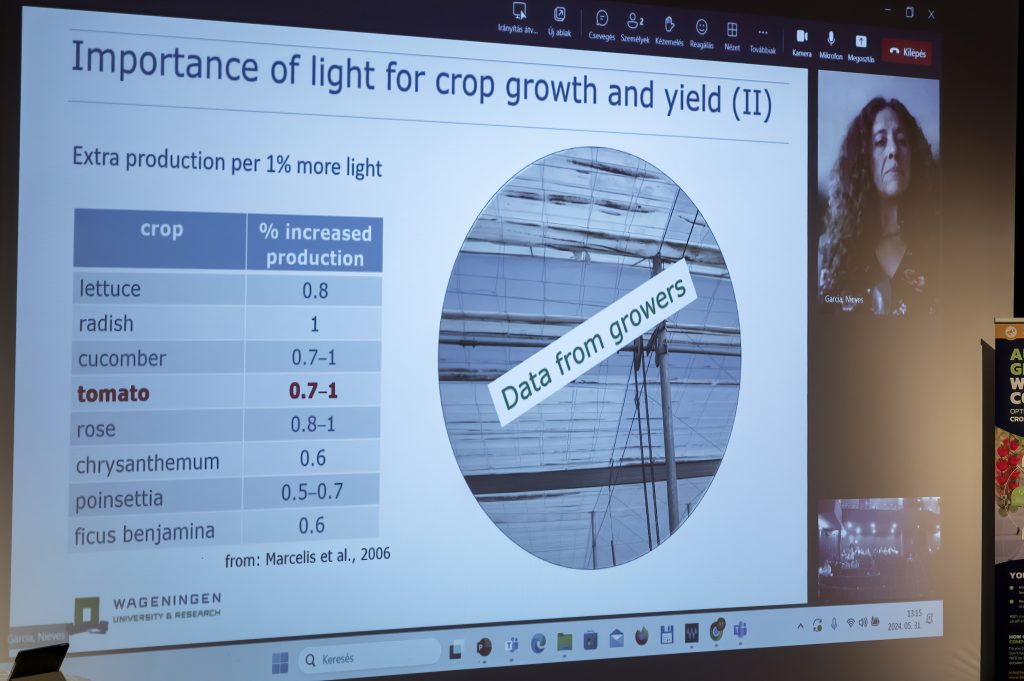
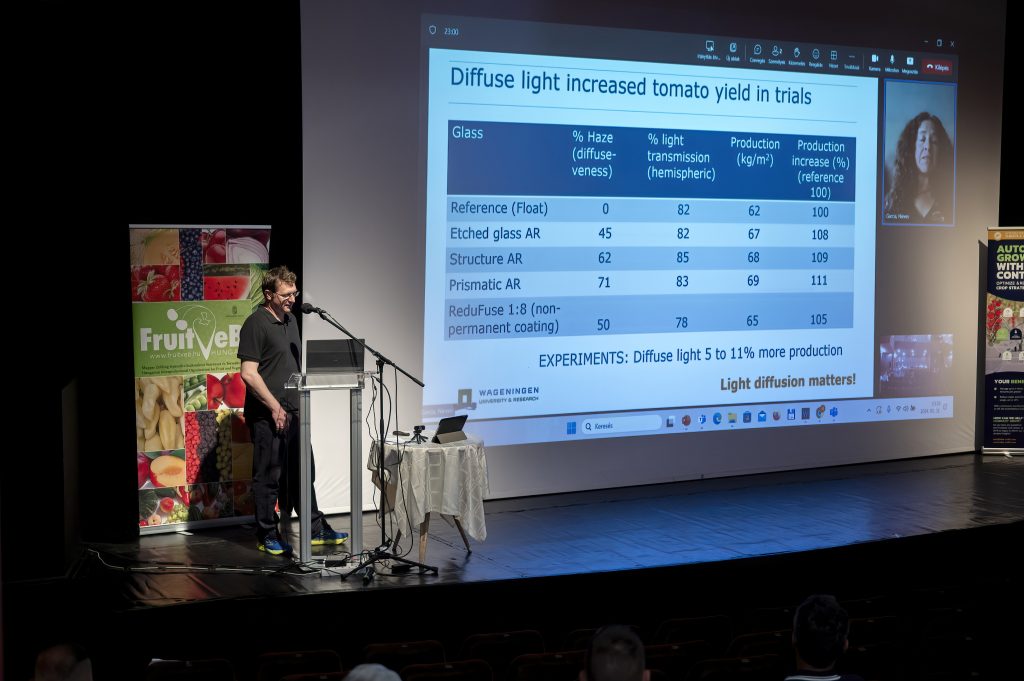
Also joining online from Wageningen University (WUR) was Nieves Garcia Victoria, who delivered a presentation titled ‘The Role of Diffuse Glass and Anti‑Reflective Coatings in Tomato Production,’ reporting on new findings related to the utilization of light entering greenhouses. After detailing the basics of light physics, she presented numerous measurements and specific research data that represent progress toward ensuring better light distribution within greenhouse crops. At the end of her presentation, the audience asked several questions regarding the application of diffuse coatings and glass.
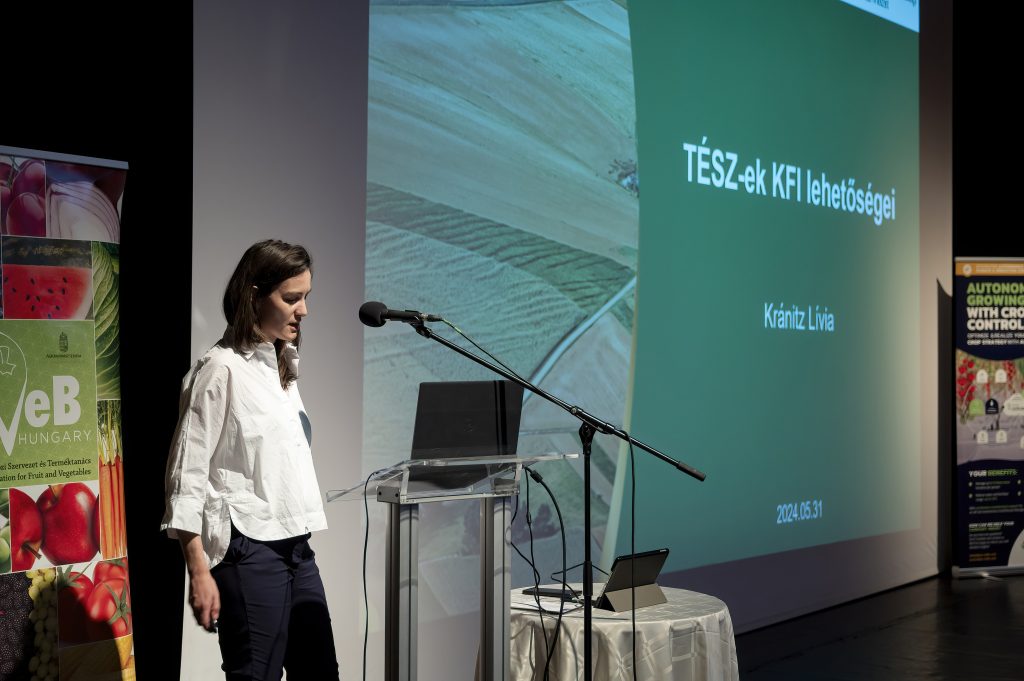
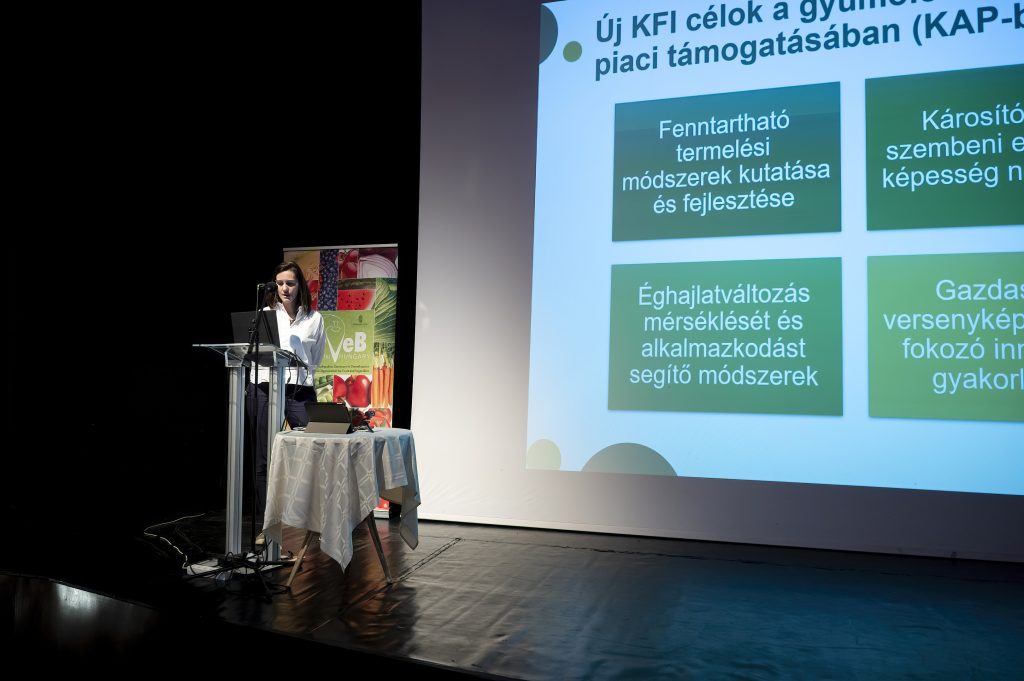
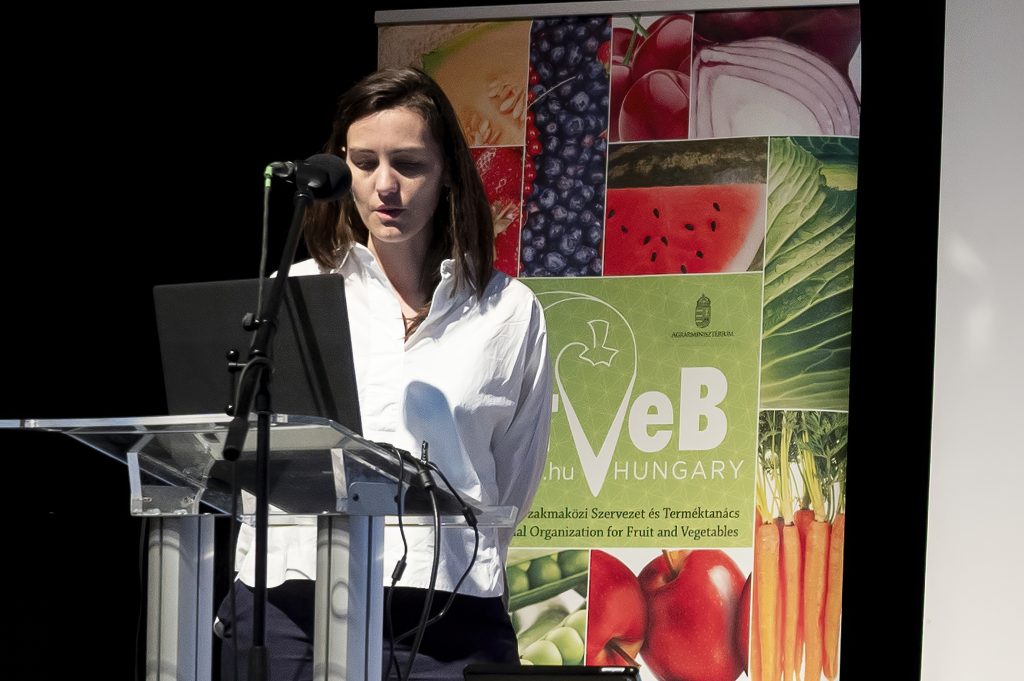
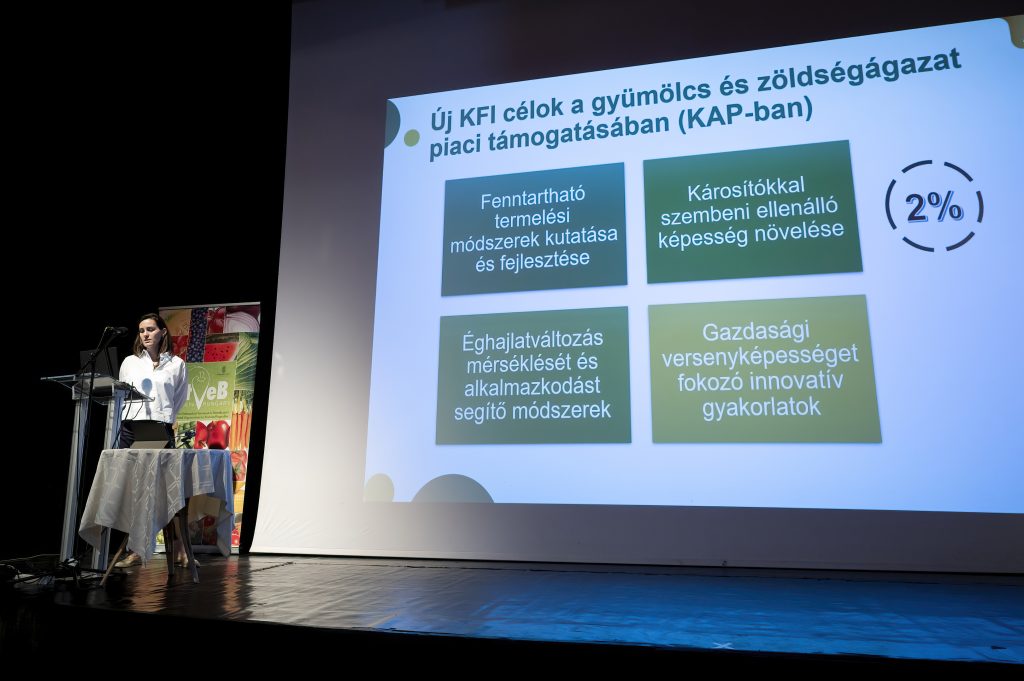
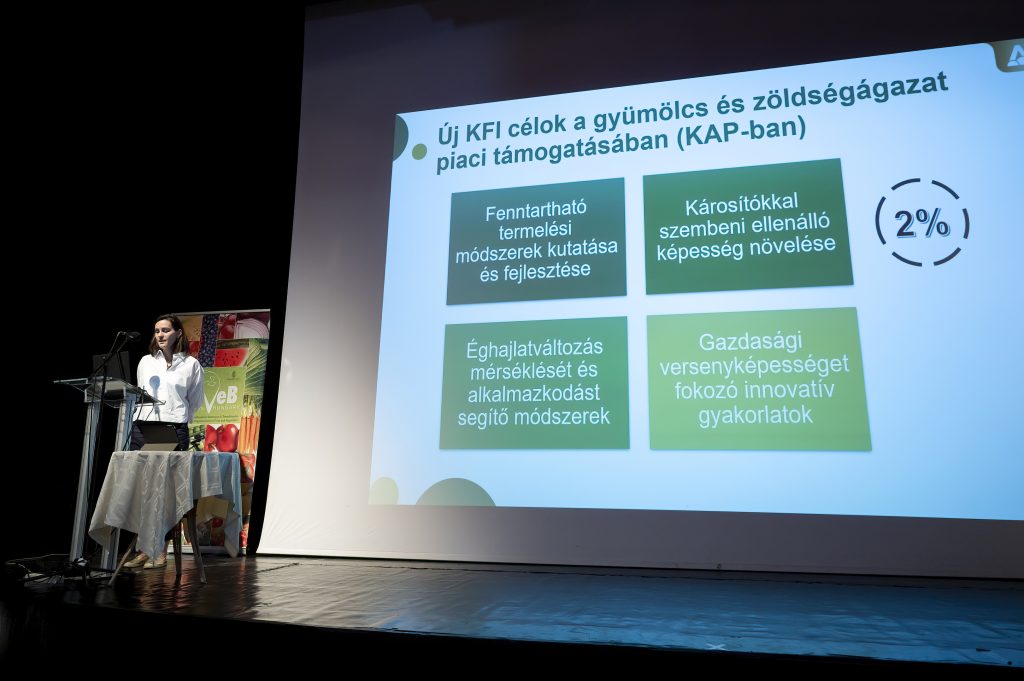
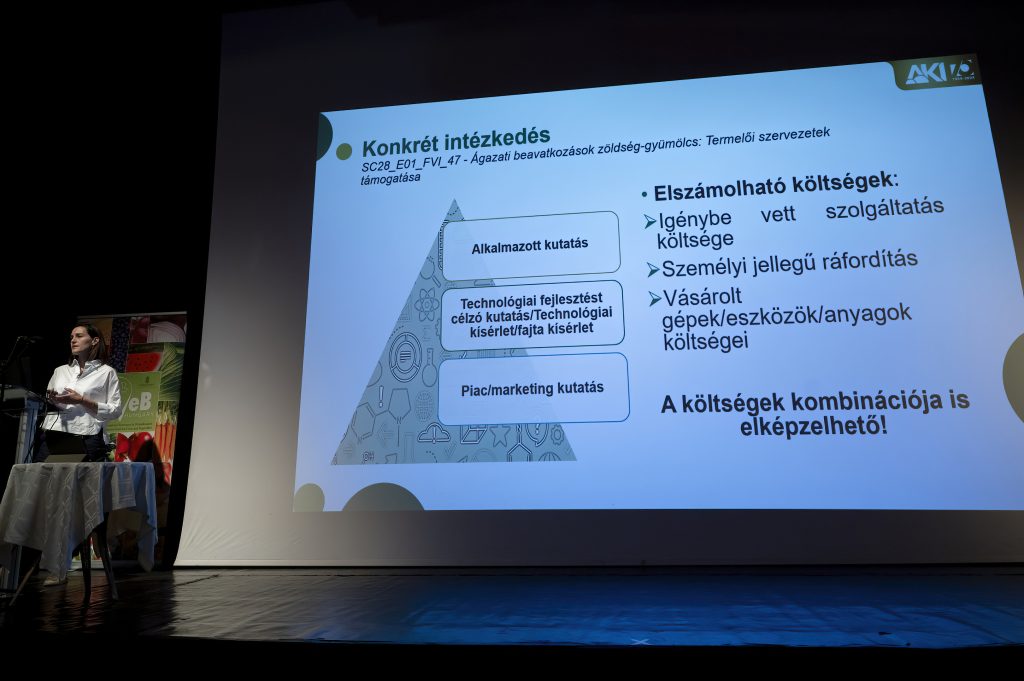
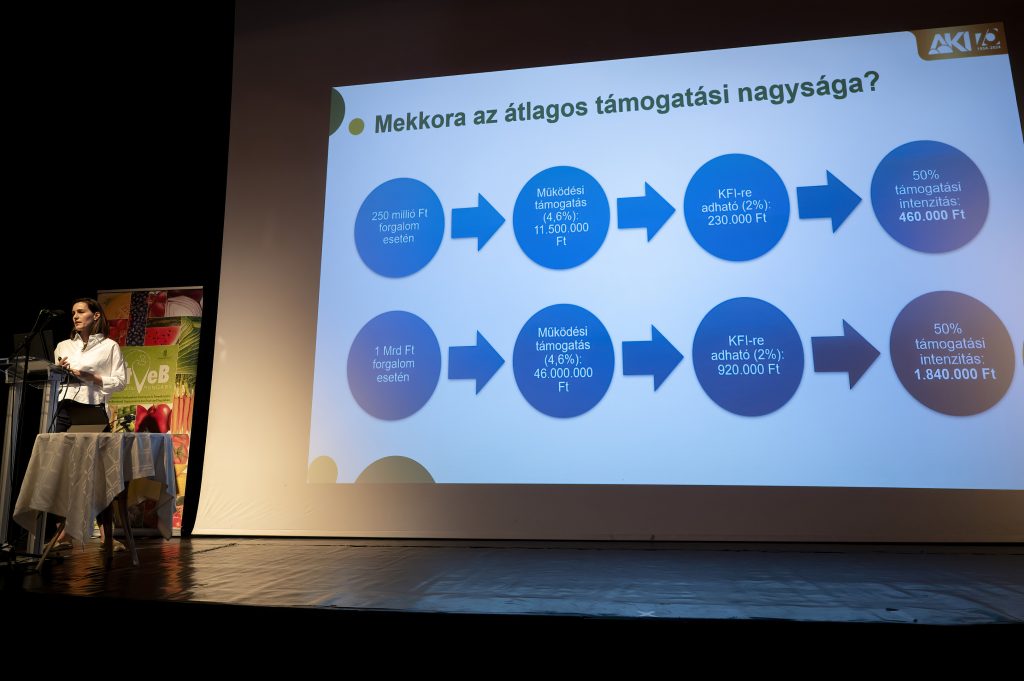
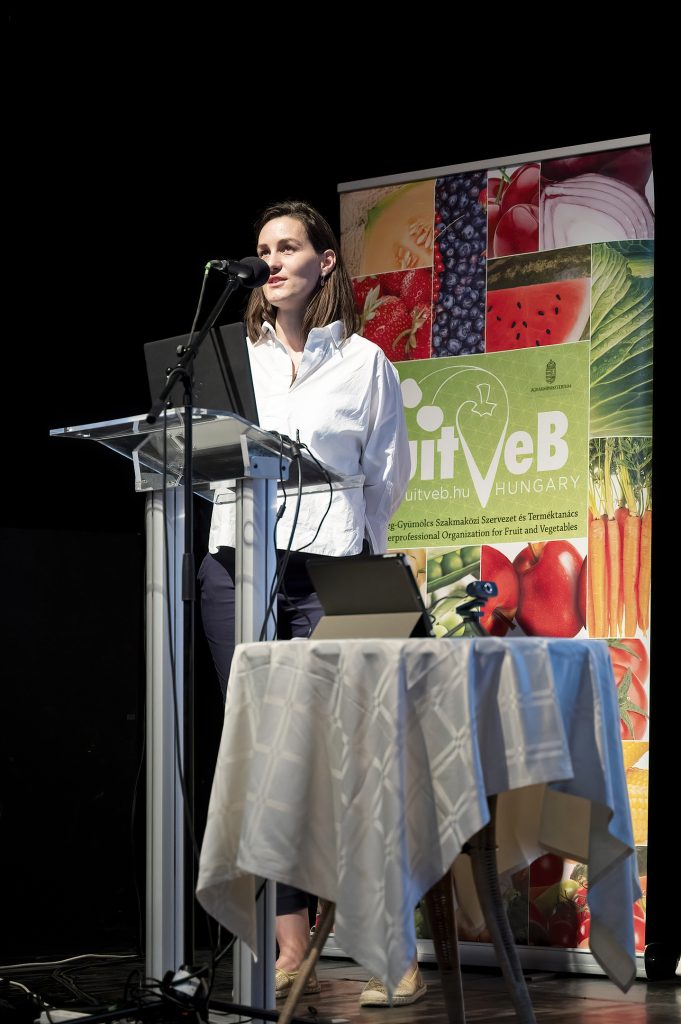
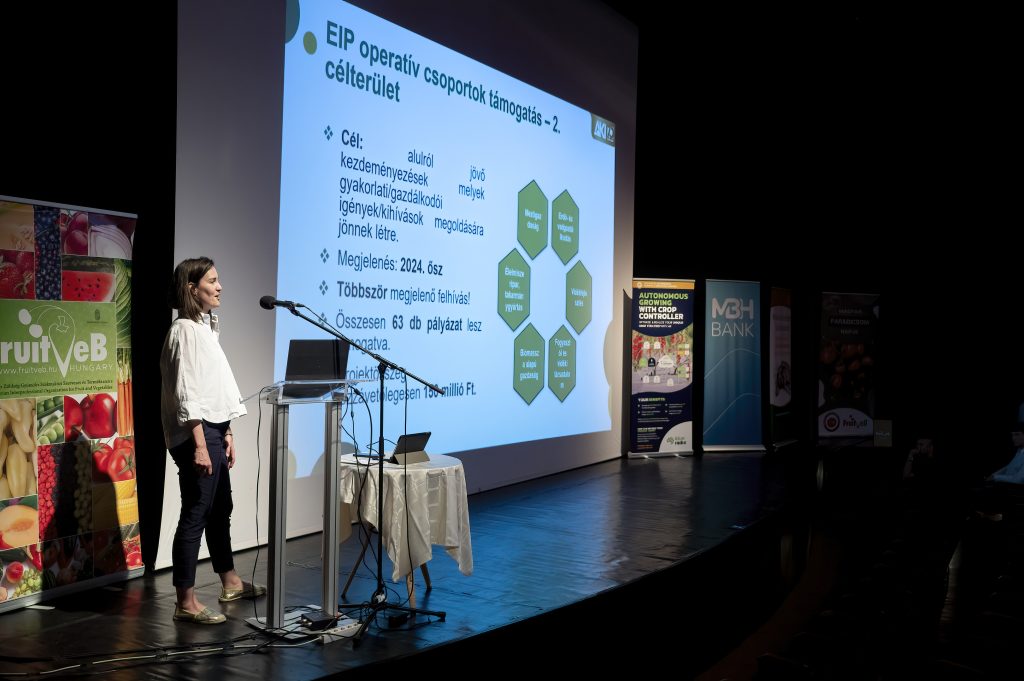
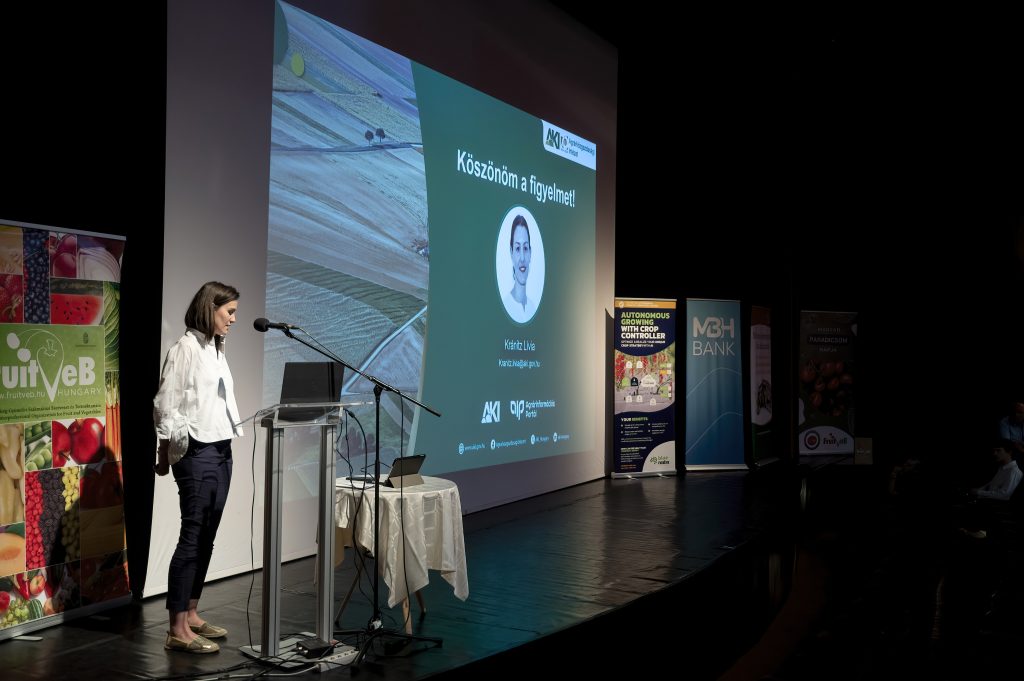
The series of presentations concluded with an exposition titled ‘Support for R&D Activities in Greenhouse Production and in the Operational Program of Producer Organizations,’ delivered by Lívia Kránitz, Senior Expert at the Agricultural Economics Institute (AKI). She first introduced the new RDI objectives applied in the fruit and vegetable sector within the CAP, then informed the audience about the specific measures. She paid particular attention to steps toward joint RDI activities, applicable cooperation models, and presented several international best practices. She concluded her presentation with an overview of the European Innovation Partnership (EIP), highlighting the role of operational groups and available support opportunities.
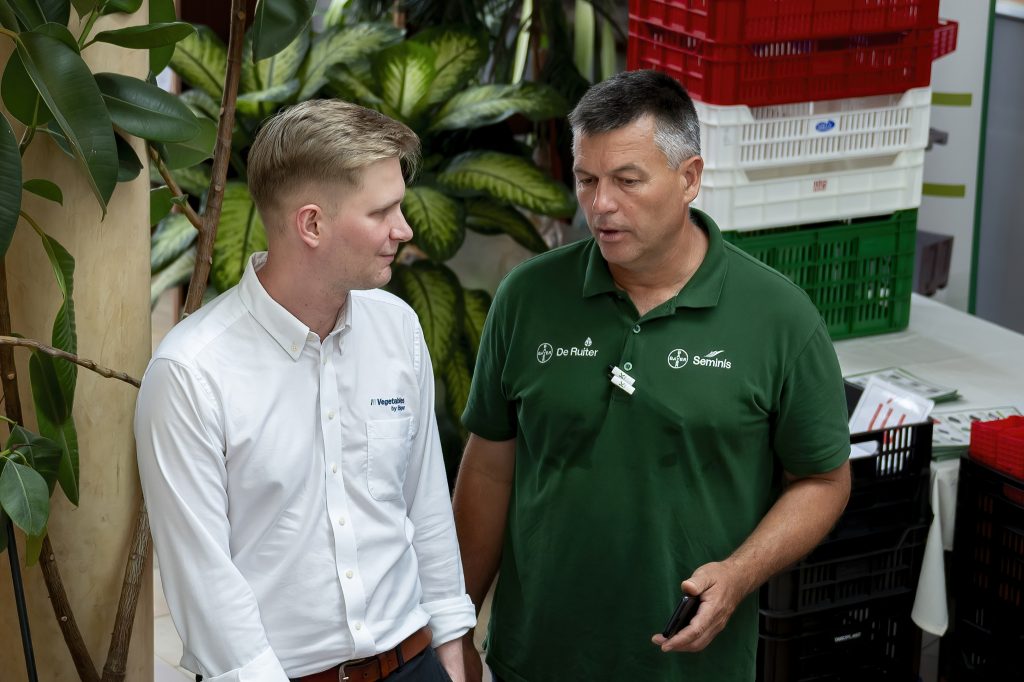
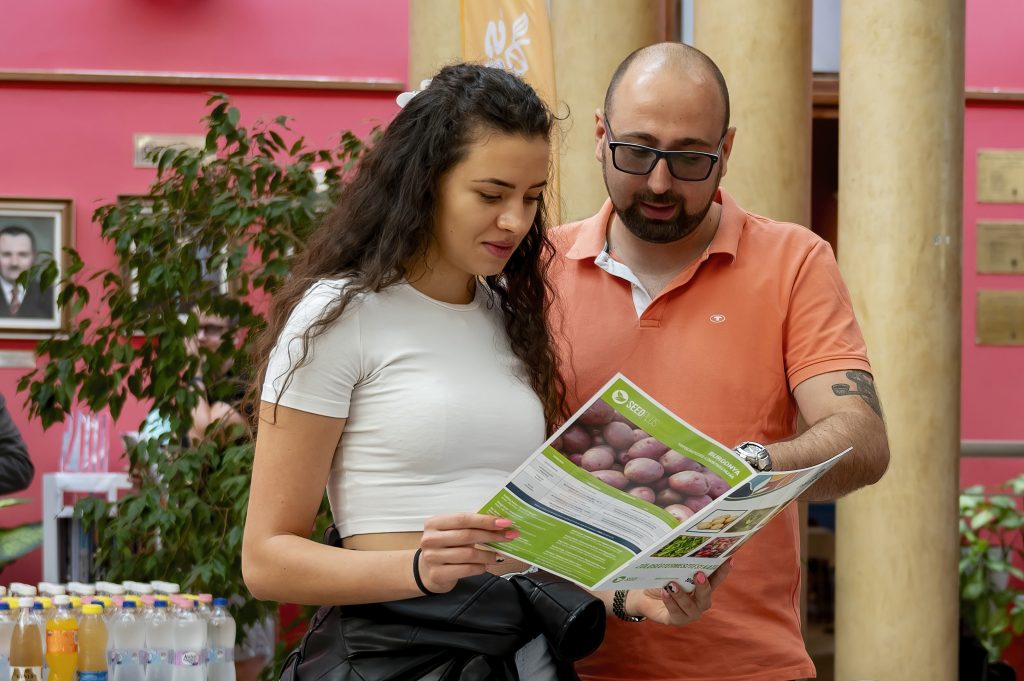
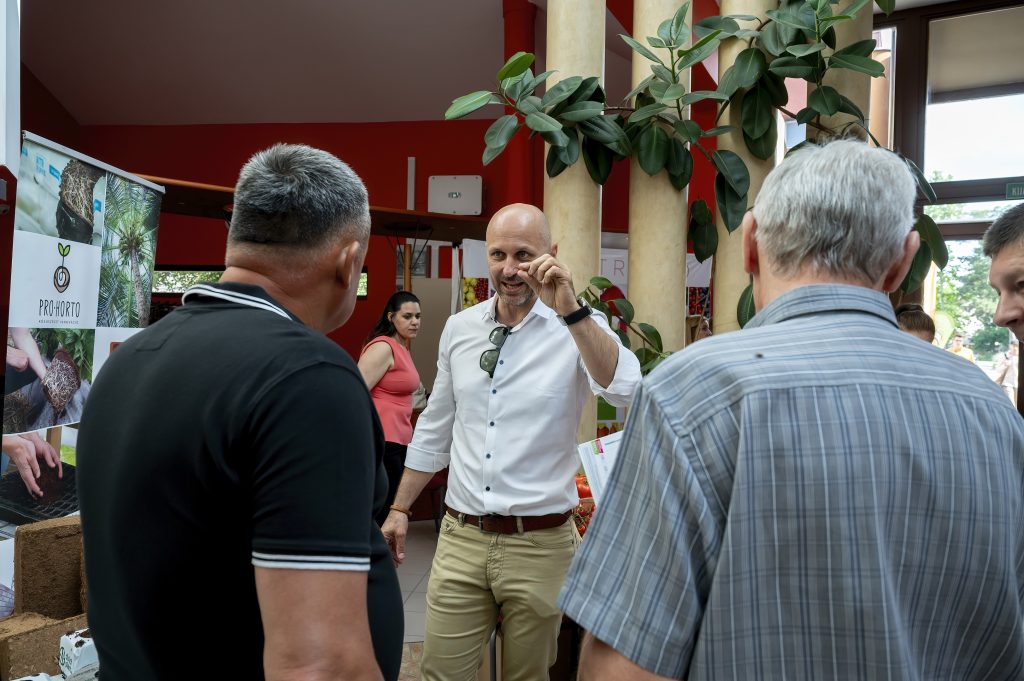
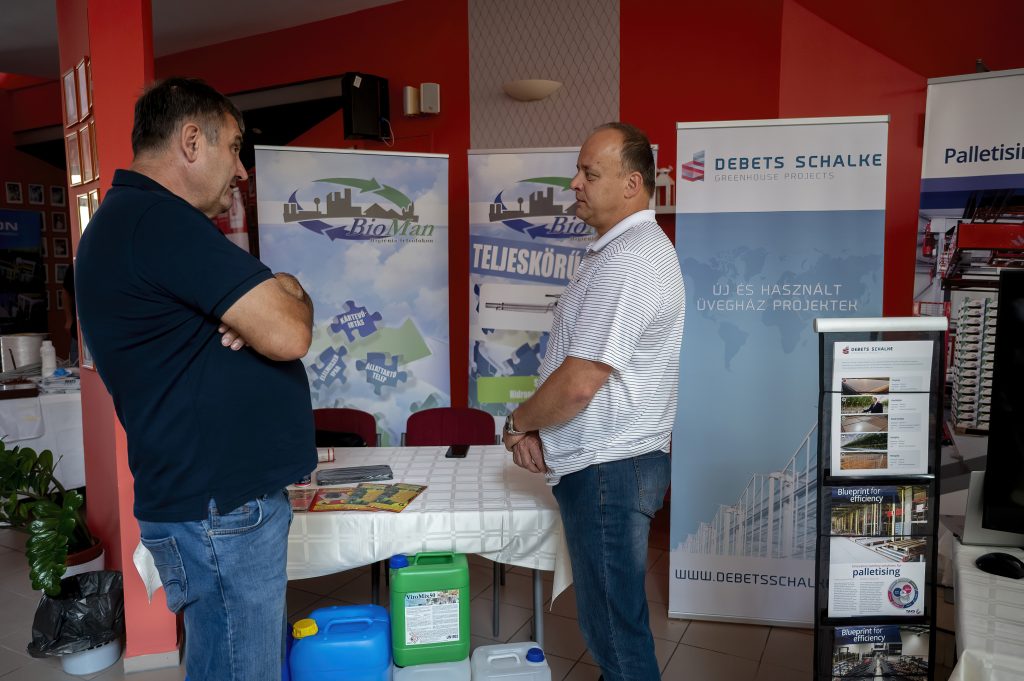
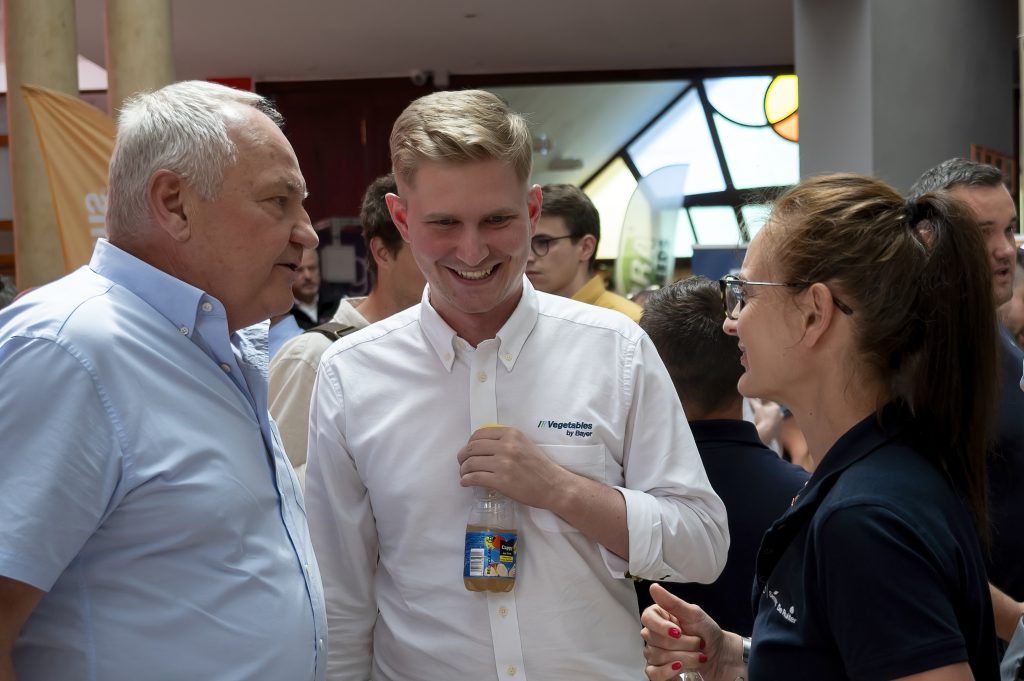
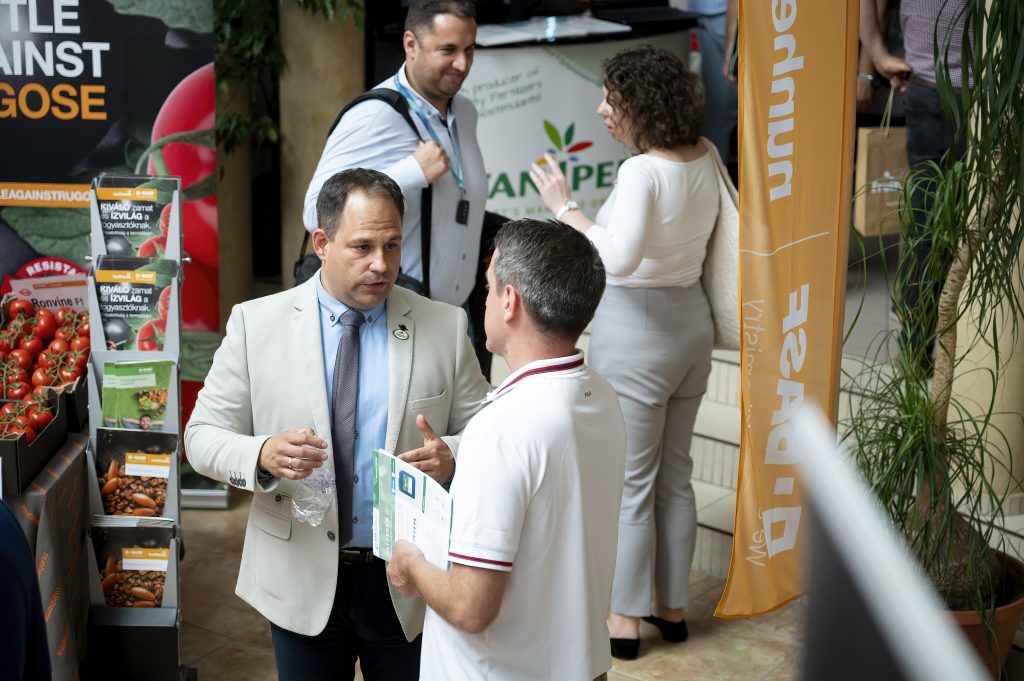
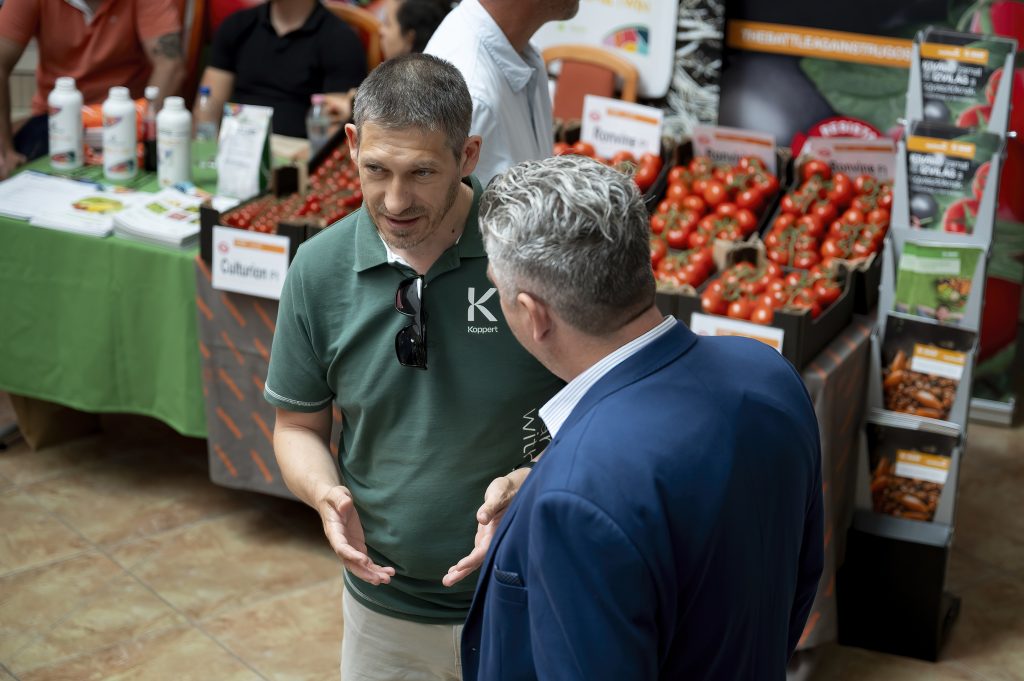
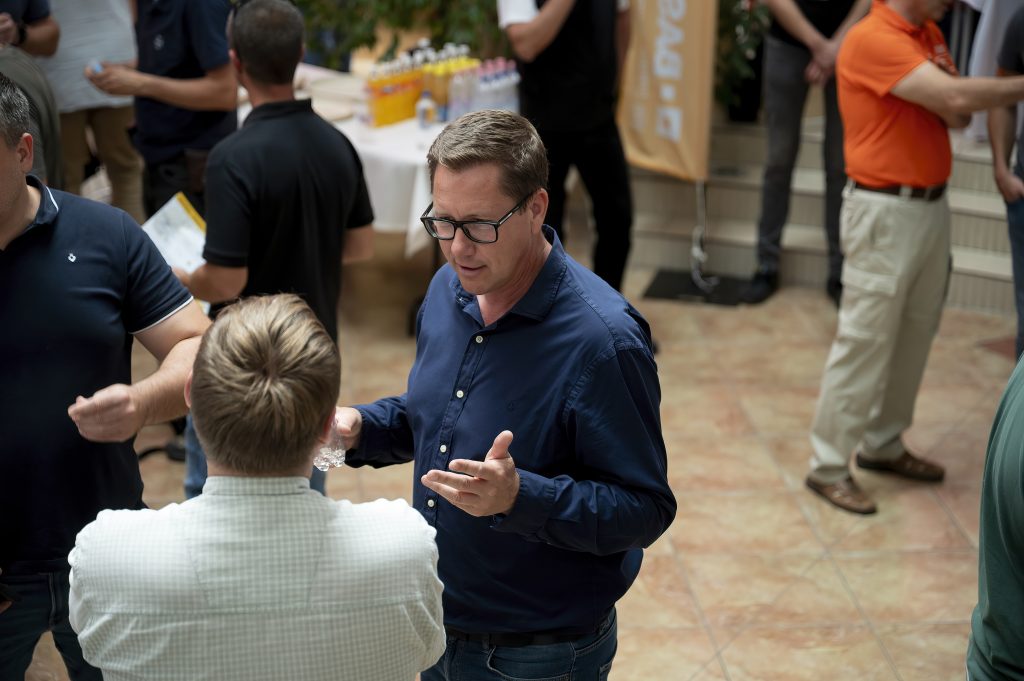
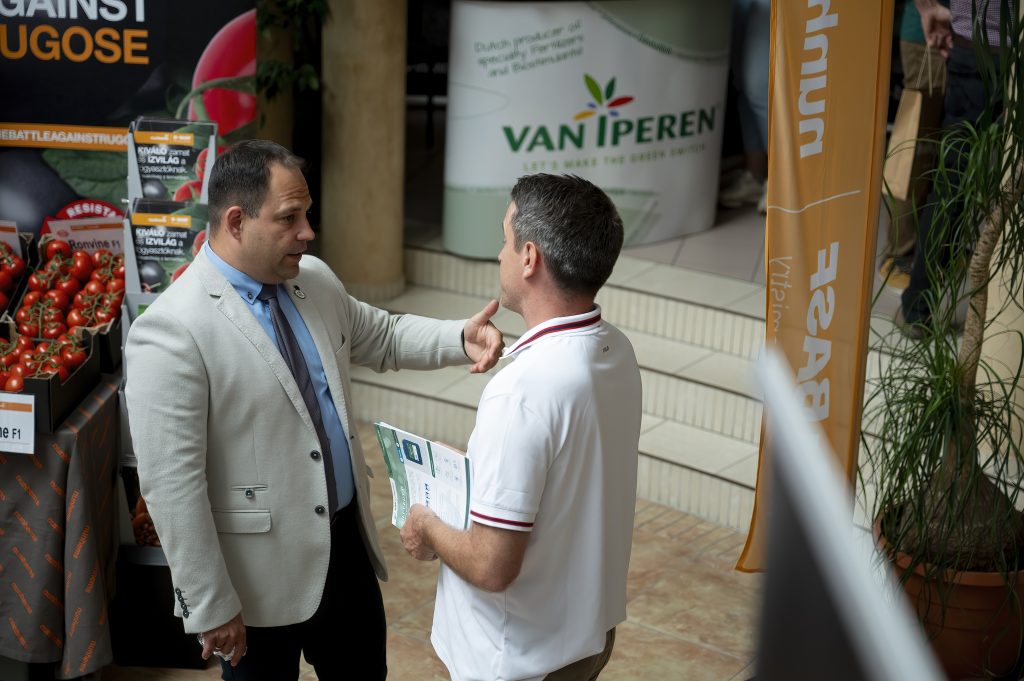
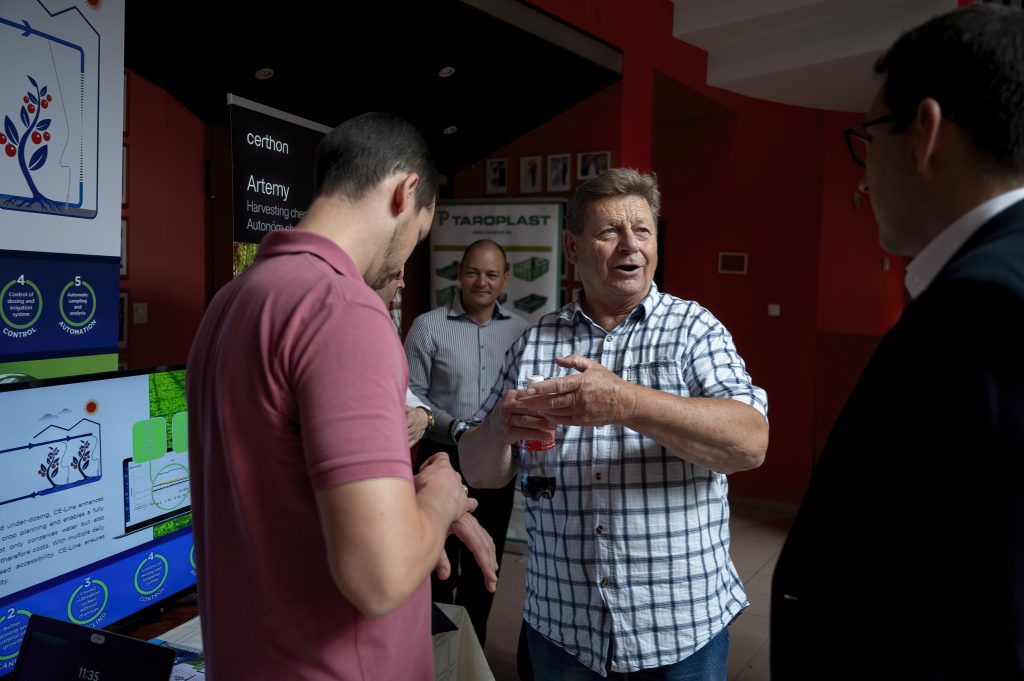
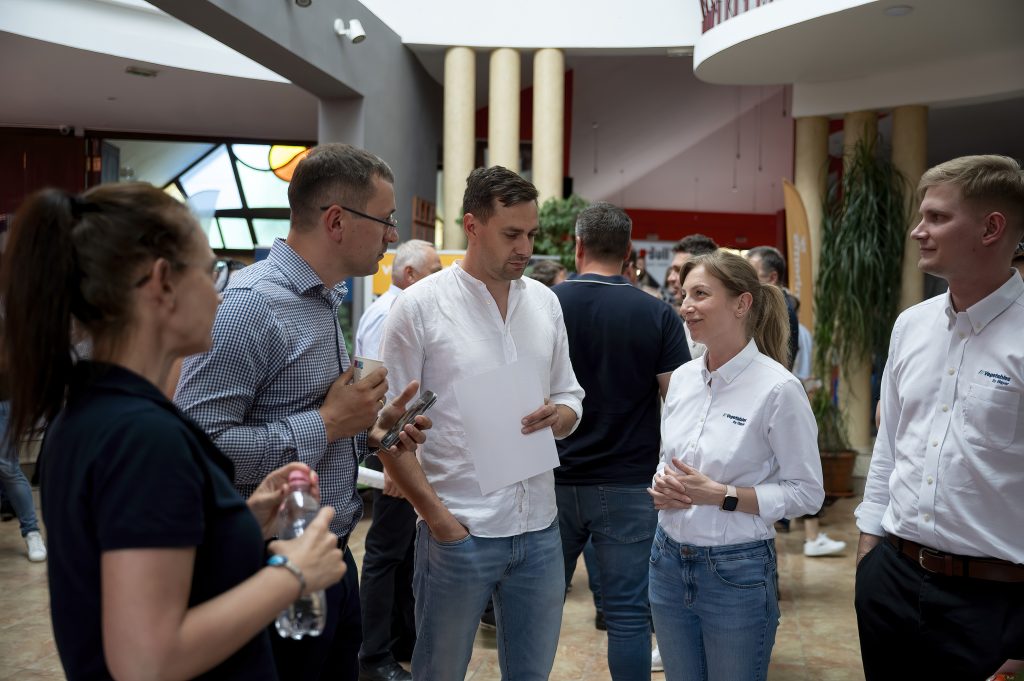
Following the presentations, experts and speakers engaged in informal discussions and professional exchanges.
The presentations authorized for public release can be downloaded here:
01-MPN-2024-Gubacsi-Zoltan-MegnyitoDownload
02-MPN-2024-Polai-Laszlo-Palyazatok-a-hajtato-agazatban-2024Download
03-MPN-2024-Kezi-Zoltan-MBH-Bank-finanszirozasi-tervei-a-kerteszeti-agazatbanDownload
04-MPN-2024-Mezei-David-KAP-palyazatokhoz-kapcsolodo-hitelek-es-kamattamogatasok-felteteleiDownload
05-MPN-2024-Nagypeter-Sandor-EPR-eloadasDownload
06-MPN-2024-Lubomir-Sleger-Cseh-es-szlovak-paradicsomDownload
07-MPN-2024-Ronald-Hoek-Blue-Radix-Gremon-AIDownload
08-MPN-2024-Nieves-Garcia-Diffuse-glasses-and-antireflex-coatingsDownload
09-MPN-2024-Kranitz-Livia-TESZ-ek-KFI-lehetosegeiDownload
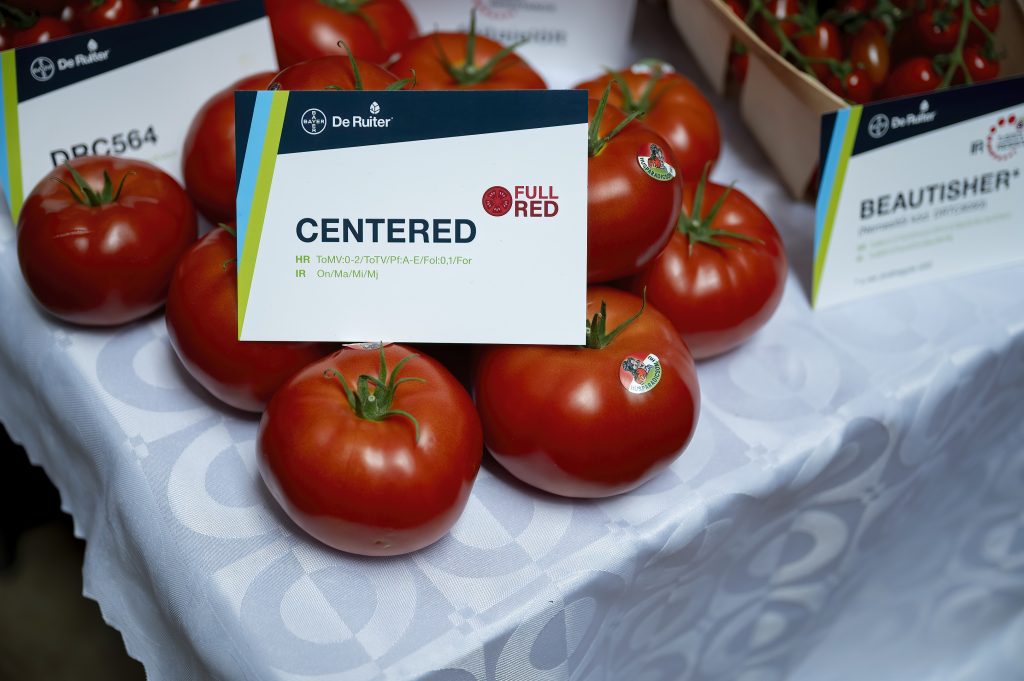
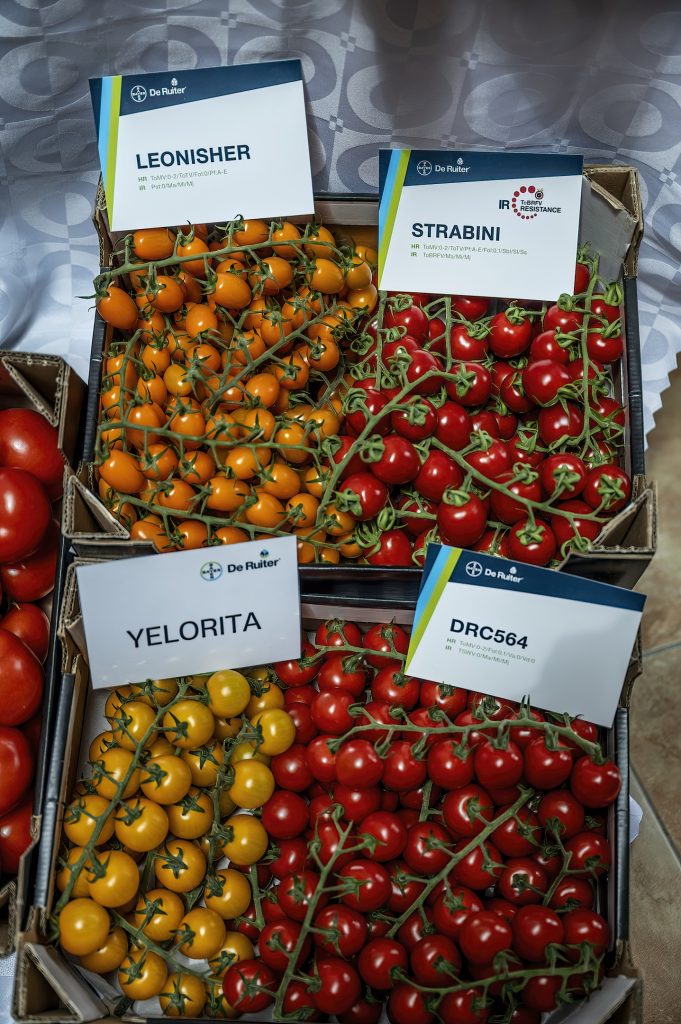
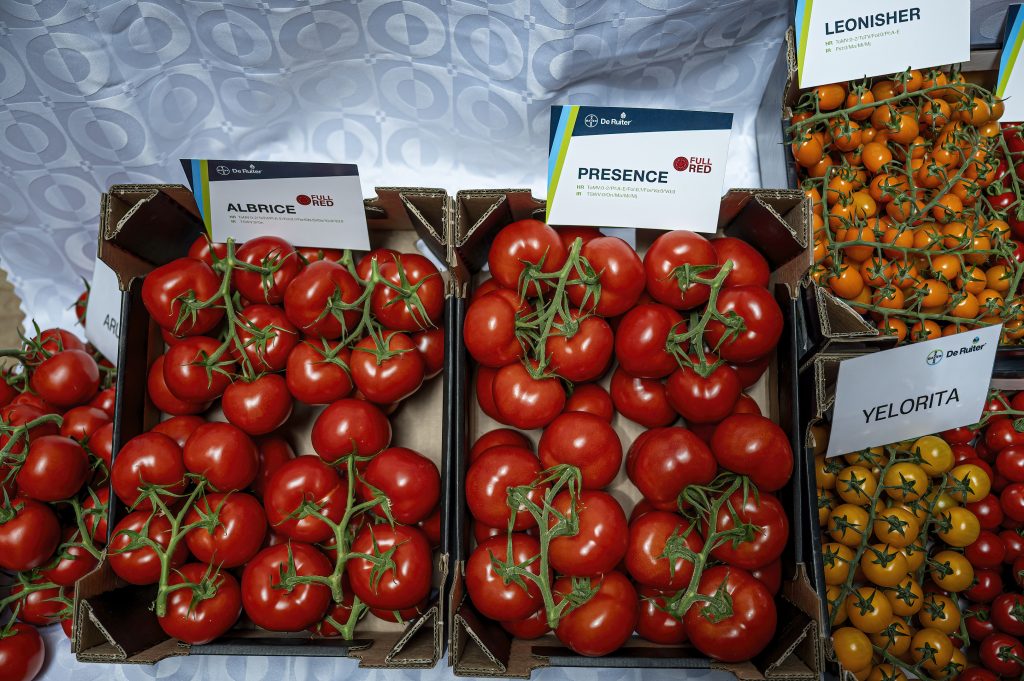
The photo gallery of the event can be viewed below: